Step 1
Clean The Concrete Thoroughly
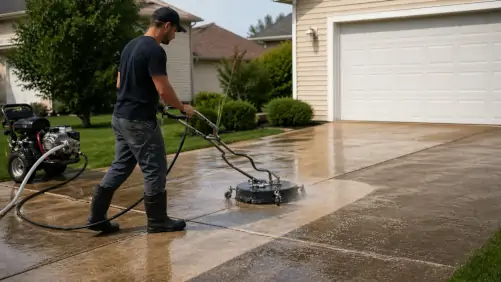
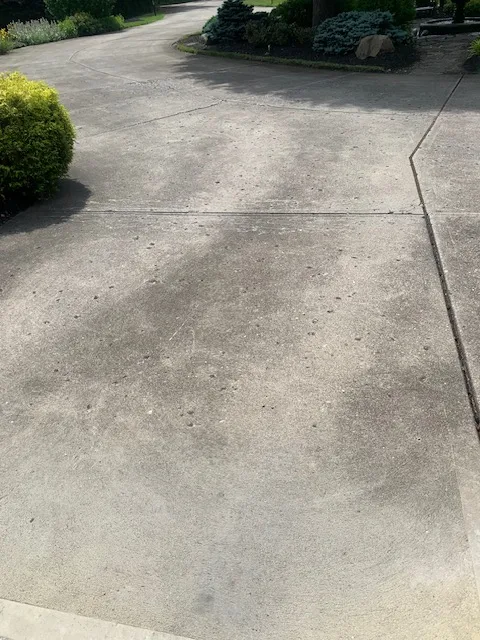
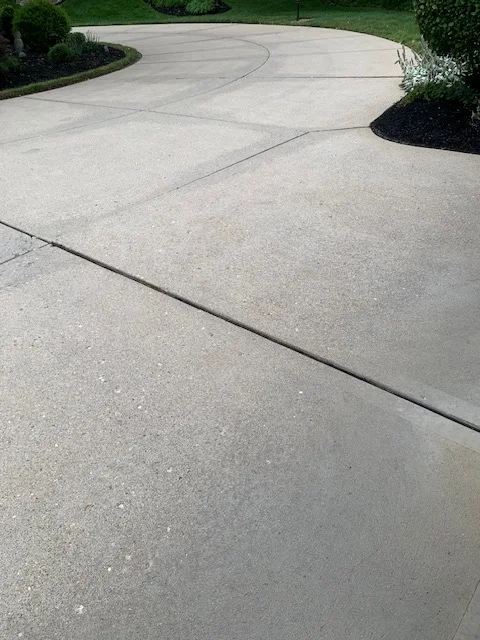
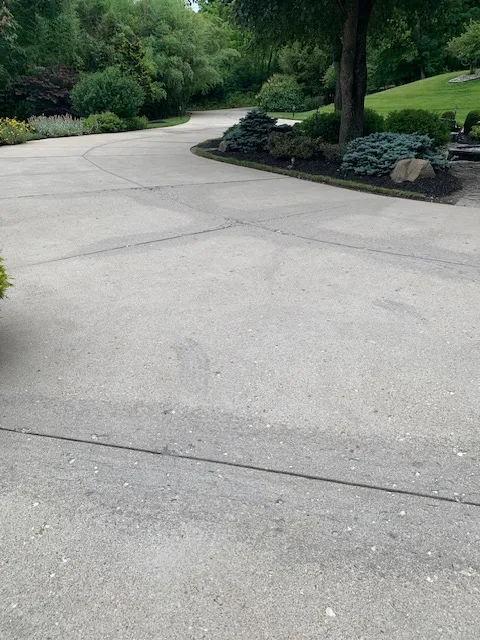
The slab is surface cleaned and problem staining pre-treated, because sealer applied over grime traps it permanently.
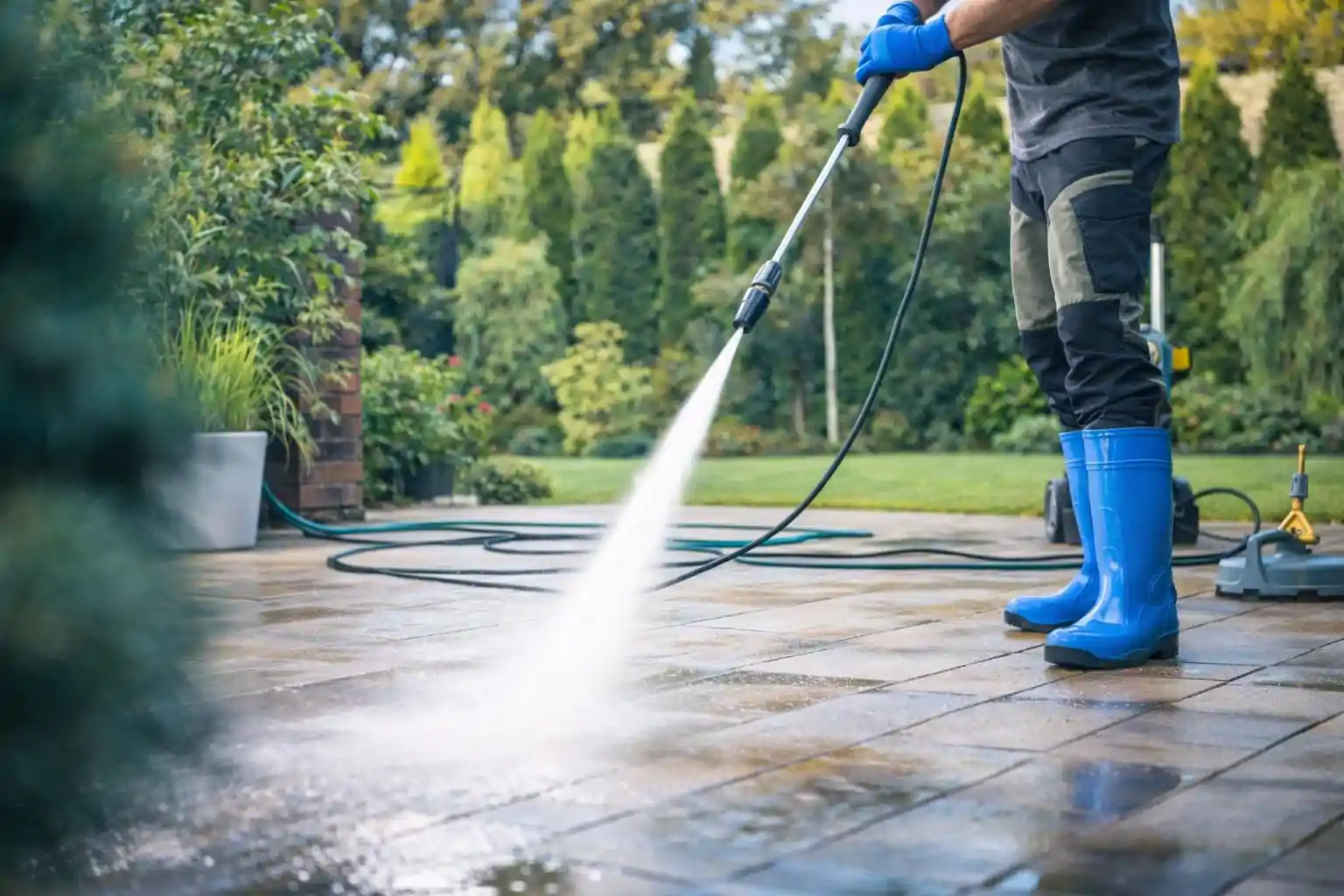
Mid-century homes came with a lot of concrete, and sixty years of road salt and leaf tannin have been soaking into it. Sealing a cleaned slab is what stops the next sixty.
Learn More About This ServiceThe generous driveways, deep aprons, and poured patios that came standard on 1950s and 1960s Blue Ash homes represent a large amount of unprotected concrete. Bare concrete is porous, so every winter's road salt, every oil drip, and every fall's worth of leaf tannin soaks in rather than sitting on top where it can be washed away.
Freeze-thaw is the part that actually costs money. Water absorbed into open concrete expands when it freezes, and after enough cycles the surface starts to scale and spall. On concrete already sixty years old, slowing that process is worth considerably more than the cosmetic improvement.
Sealing goes on after cleaning, never before. Sealing a dirty slab locks the staining in permanently and the sealer will not bond properly, so we clean first, let the concrete dry fully, and then apply. Done in that order it resists stains, sheds salt, and makes every future cleaning easier.
Winter salt tracked up a long Blue Ash driveway soaks straight into unsealed concrete. Sealer keeps it on the surface where it can be rinsed away.
Less absorbed water means less expansion when it freezes, which is what causes the surface flaking common on older concrete here.
Leaf litter sitting on sealed concrete leaves far less of a mark than it does on bare, porous slab under mature canopy.
A sealed drive releases dirt and organic film readily, so subsequent cleanings take less work and stay looking good longer.
Step 1
The slab is surface cleaned and problem staining pre-treated, because sealer applied over grime traps it permanently.
Step 2
Concrete needs to dry properly before sealing. Applying over damp slab traps moisture underneath and causes the sealer to cloud or fail.
Step 3
Oil spotting and deep tannin marks get addressed before sealing, since whatever is still there gets locked under the finish.
Step 4
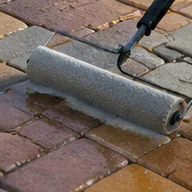
The appropriate sealer is applied evenly across the drive, apron, and any pads, and we check coverage for a consistent finish.
Is my sixty-year-old driveway too old to seal?
Usually not, and it often benefits most. Older concrete is more porous, so it absorbs more salt and water. The exception is a slab already badly spalled or cracked through, where sealing is cosmetic at best and we will say so.
How long does sealer last on a driveway?
Typically a few years, depending on sun exposure, traffic, and how much winter salt the drive sees. A long Blue Ash driveway that gets salted heavily each winter will want resealing sooner than a shaded back patio.
Will sealing change how the concrete looks?
Somewhat. Most sealers slightly deepen the color and can add a low sheen. Finishes range from a natural matte look to a more visible gloss, and we will match it to what you want.
Can you seal the patio and the driveway at once?
Yes, and doing them together usually makes sense since both need the same cleaning and drying window. It also keeps the finish consistent across the property.
We also offer concrete sealing in nearby communities. Choose another area below.

"Jason did great work on our home's driveway and front walkway. I didn't even notice just how dark some spots had gotten, especially our front steps, until he pressure washed them. I was amazed at the before and after! They look so much better now!"
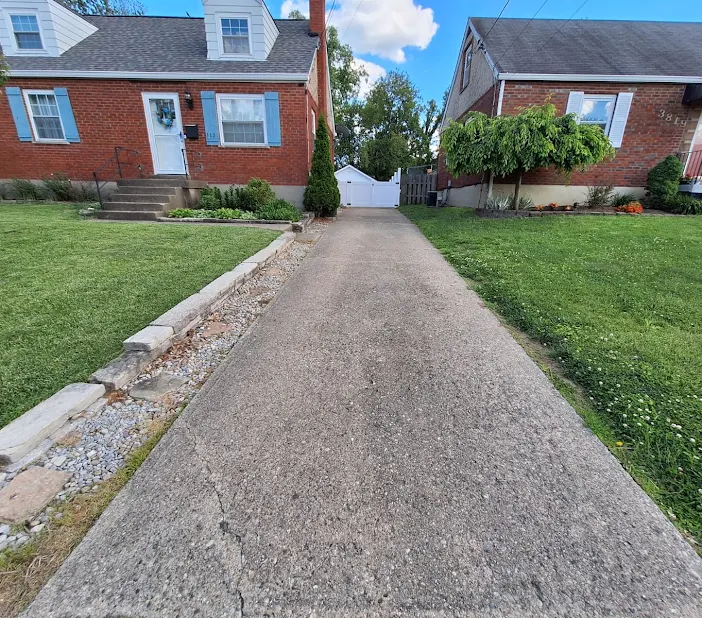
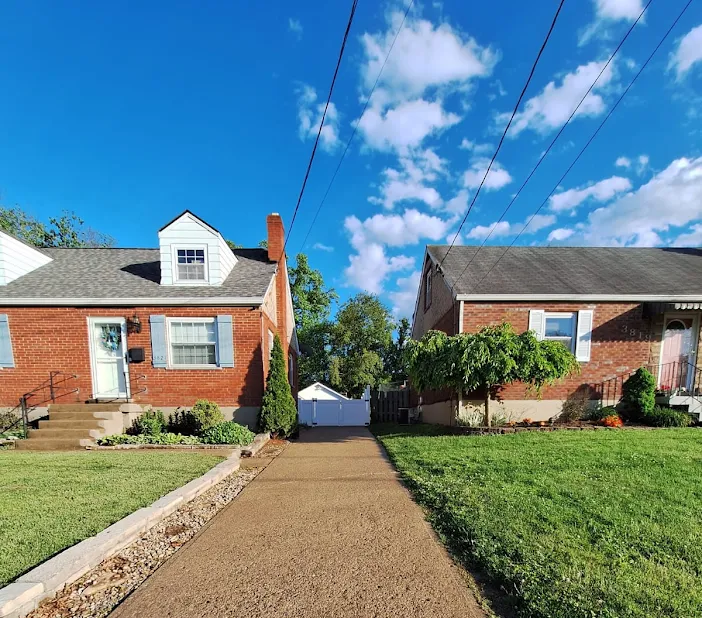

"Jason replied promptly with a competitive estimate immediately after I reached out to him. He was able to fit me in his schedule the next day. He did a great job cleaning the dirt and algae off my brick patio. I will reach out to him with future needs and highly recommend him."
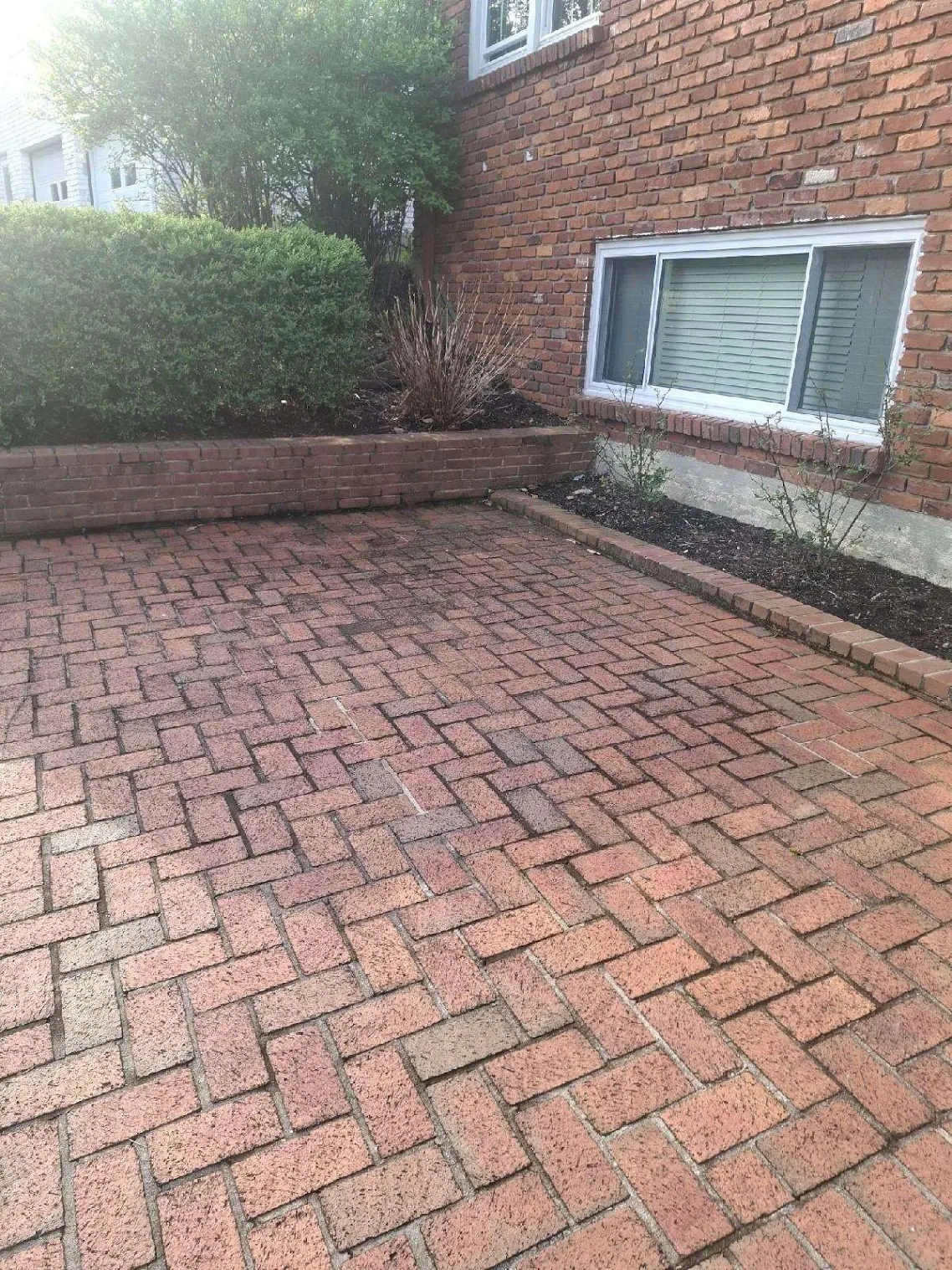
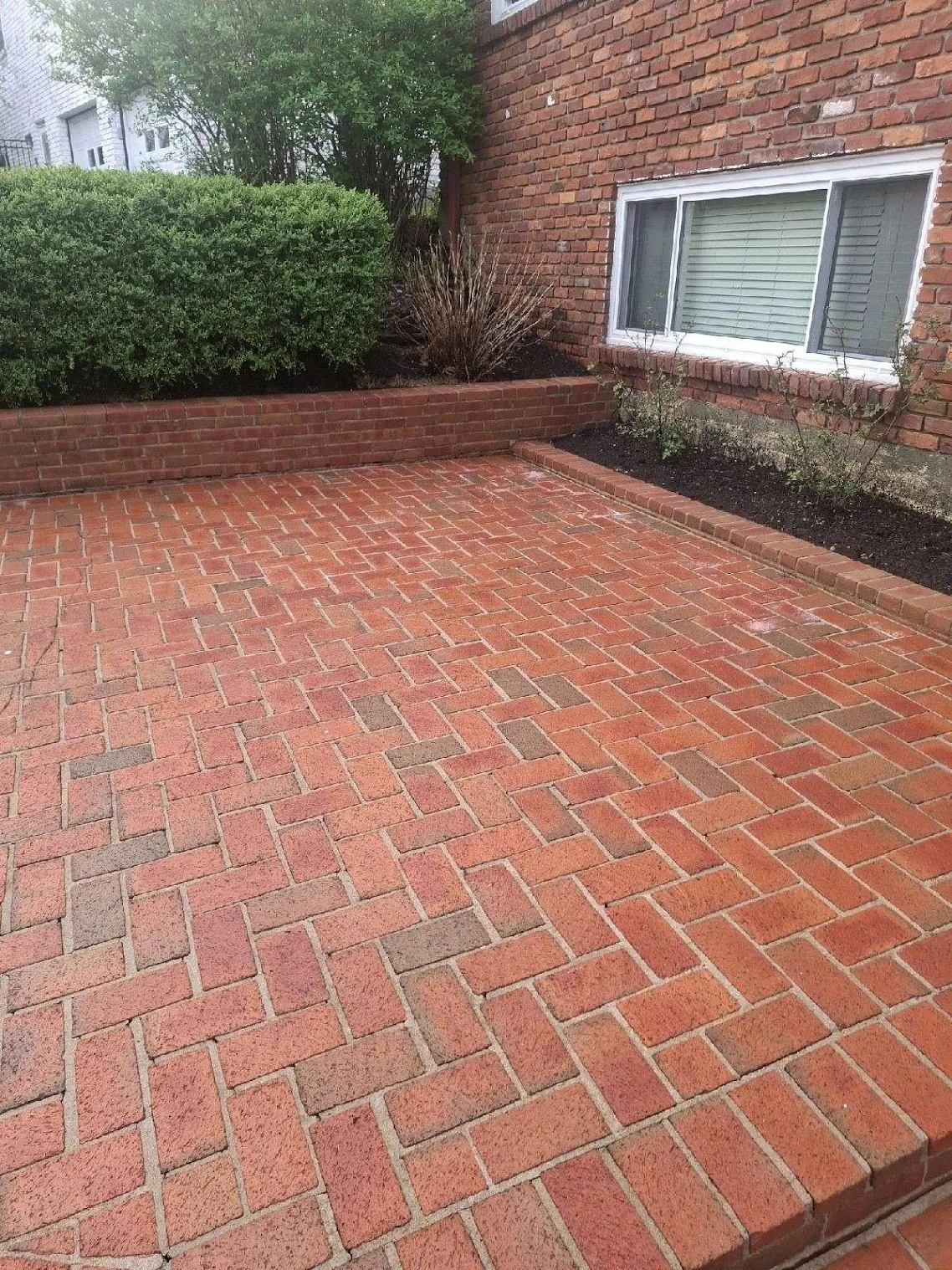

"Jason did a great job with the pressure washing of my house. He first contacted me about a month ago. (I think I had clicked Angi's List or something similar.) But anyway, when he first called me, I told him I work in taxation and would not have time to think about projects until after tax season was over, and to call me after April 17. And... unlike just about every other service provider - who would call me daily... Jason called me on April 18. And we went back and forth for a few days - mostly me asking questions... until we agreed he would pressure wash the house, patio, and driveway. And then he was available within that week! And stayed a bit longer to be sure everything was done right. Plus... he's the OWNER and started the business himself - not just someone who bought a franchise. (which is important to me - I like to support local business, even more so if it's an entrepreneur and not a franchisee.) And every time I pull into my driveway, I smile"

"We had a great experience with Jason at Clear Exterior! Scheduling was easy, and he did a thorough and professional job at an affordable price. He got our siding and our concrete looking fresh again. Highly recommended if you need some pressure washing done!"
We help homeowners across the Cincinnati area keep exterior surfaces clean, safe, and well maintained.
Service Area Map
Based in Cincinnati, we serve homeowners across Cincinnati and nearby communities.
Madeira
Loveland
Mason
West Chester
Liberty Township
Hyde Park
Pleasant Ridge
Sharonville
Milford
Batavia