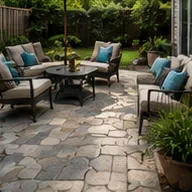
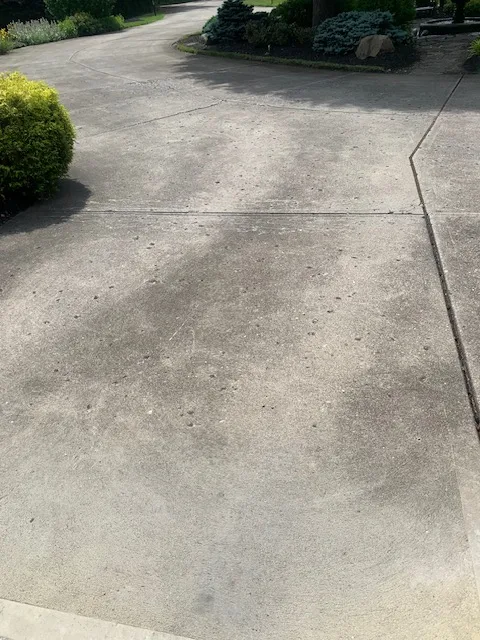
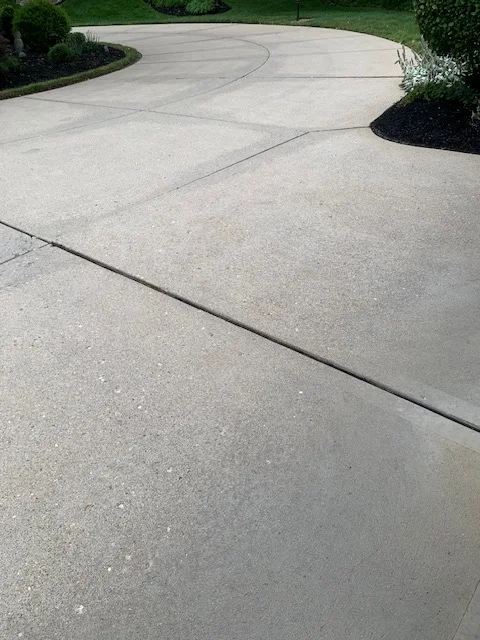
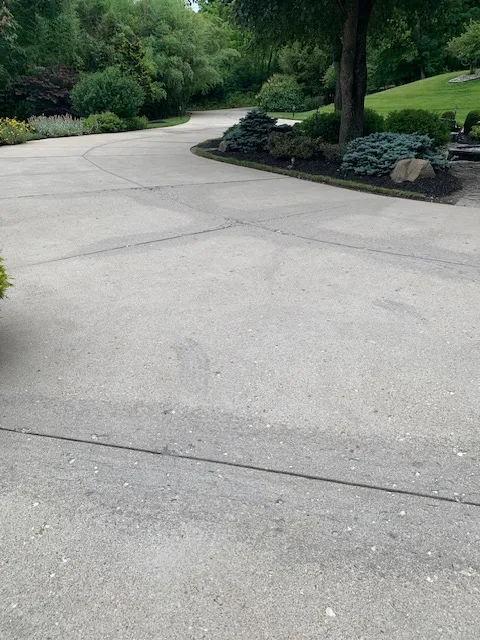
Step 1
Clean The Pavers
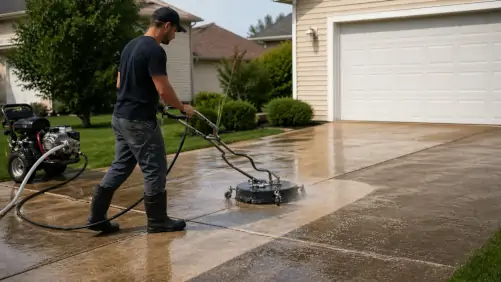
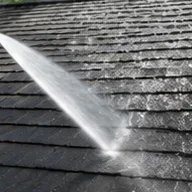
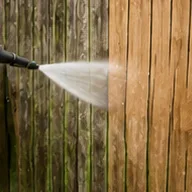
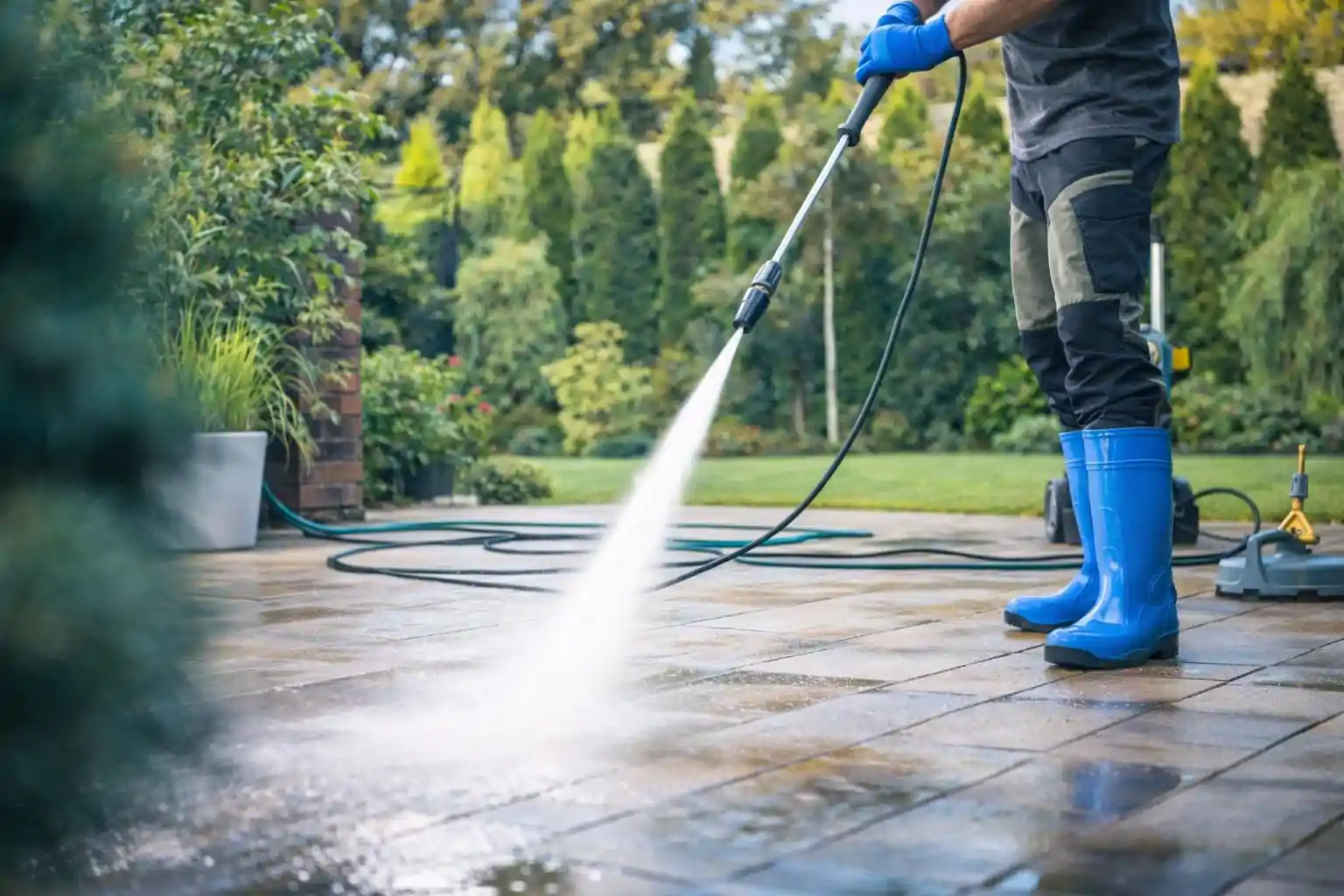
We clean the surface thoroughly, clearing dirt, algae, and staining, and remove weeds and old washed-out joint material.
Washed-out joints are what let pavers shift, sprout weeds, and go uneven. We refill the joints with polymeric sand and seal the surface so everything stays where it belongs.
Learn More About This ServicePaver patios, walkways, and driveways do not usually fail because of the pavers. They fail at the joints. Rain, runoff, and years of pressure washing wash the joint sand out a little at a time, and once those joints are empty the stones start to move.
What follows is predictable. Weeds and ants take hold in the gaps, edges creep outward, and individual pavers rock underfoot or settle unevenly. Refilling the joints with polymeric sand and then sealing the surface stops that cycle, because the sealer binds the sand into a firm joint instead of loose grit.
Sealing also protects the pavers themselves, helping the surface resist oil, rust, and the road salt that gets tracked across Cincinnati driveways every winter, while deepening the color of the stone. The result is a patio or walkway that stays tight, stays level, and stays looking finished.
Polymeric sand plus a joint-stabilizing sealer binds the joints so the sand stops washing out with every heavy rain.
Full, stabilized joints leave far less room for weeds to root and for ants to tunnel between the stones.
Firm joints hold neighboring pavers against each other, which reduces rocking, creeping edges, and uneven settling.
Sealer helps the surface shed oil, rust, and winter road salt, and enriches the color of the pavers at the same time.
Step 1
We clean the surface thoroughly, clearing dirt, algae, and staining, and remove weeds and old washed-out joint material.
Step 2
Pavers and joints are given time to dry, because sand and sealer applied over damp stone will not set correctly.
Step 3
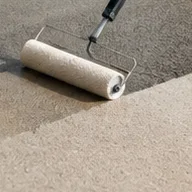
We sweep polymeric sand into the joints and work it down so each joint is filled to the proper depth.
Step 4
The sand is set, then we apply a joint-stabilizing sealer evenly and check coverage across the whole surface.
What is polymeric sand and why use it instead of regular sand?
Polymeric sand contains binding agents that harden once activated, so it holds together in the joint instead of washing out like plain masonry sand. That firmer joint is what keeps pavers from shifting and gives weeds much less room to take hold.
Do I need re-sanding, sealing, or both?
Usually both, and in that order. Sealing over empty joints locks in the problem rather than fixing it, and re-sanding without sealing leaves the new sand exposed to the next heavy rain. We look at the joints and tell you what the surface actually needs.
Will sealing stop weeds completely?
It greatly reduces them, but nothing is absolute. Weeds root in the joints, so full, stabilized joints remove most of the opportunity. Seeds that blow in and settle in surface debris can still sprout, which is why occasional maintenance still helps.
How often do pavers need to be resealed?
Every few years for most Cincinnati patios and walkways, depending on sun exposure, traffic, and drainage. Driveways and areas that take direct sun and winter salt tend to need attention sooner than a shaded back patio.
We also offer paver sealing & re-sanding in nearby communities. Choose another area below.

"I am happy to recommend Clear Exterior. Jason was prompt in communication, reasonable in price and the before and after pictures tell the story. While I hope not to have as much dirt and moss on my walkway and roof, I will be calling Jason."

"Jason did a great job. He and his wife work well together. During the walk around, he offered to redo a few areas where the dirt was not removed completely to ensure that I was satisfied. Good luck, Jason and Clear Exterior! Wishing you a successful future!"

"Jason did great work on our home's driveway and front walkway. I didn't even notice just how dark some spots had gotten, especially our front steps, until he pressure washed them. I was amazed at the before and after! They look so much better now!"
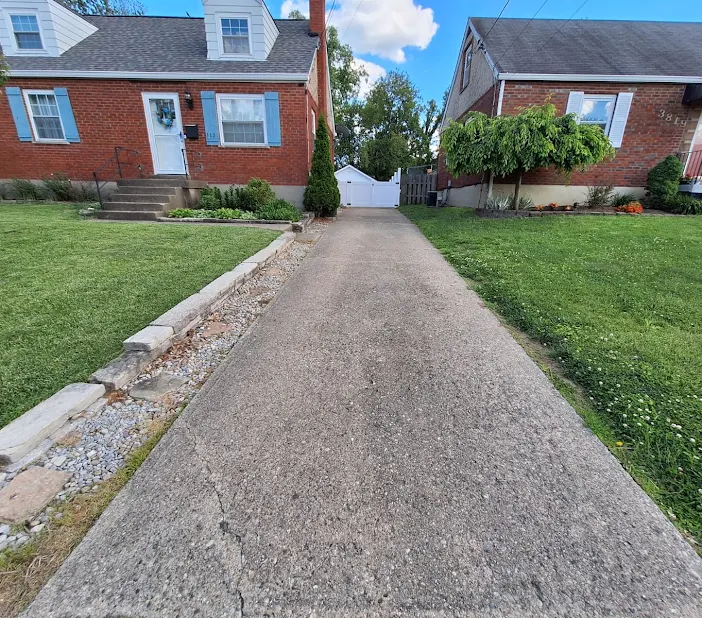
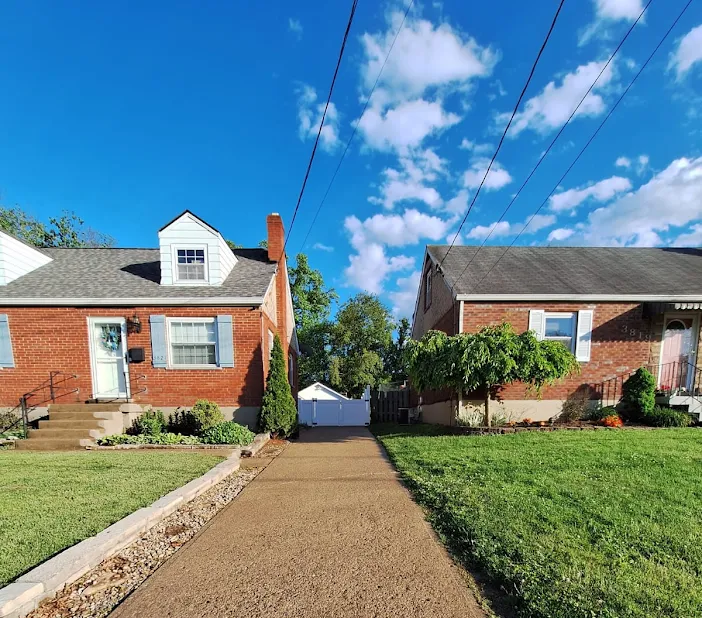

"Jason replied promptly with a competitive estimate immediately after I reached out to him. He was able to fit me in his schedule the next day. He did a great job cleaning the dirt and algae off my brick patio. I will reach out to him with future needs and highly recommend him."
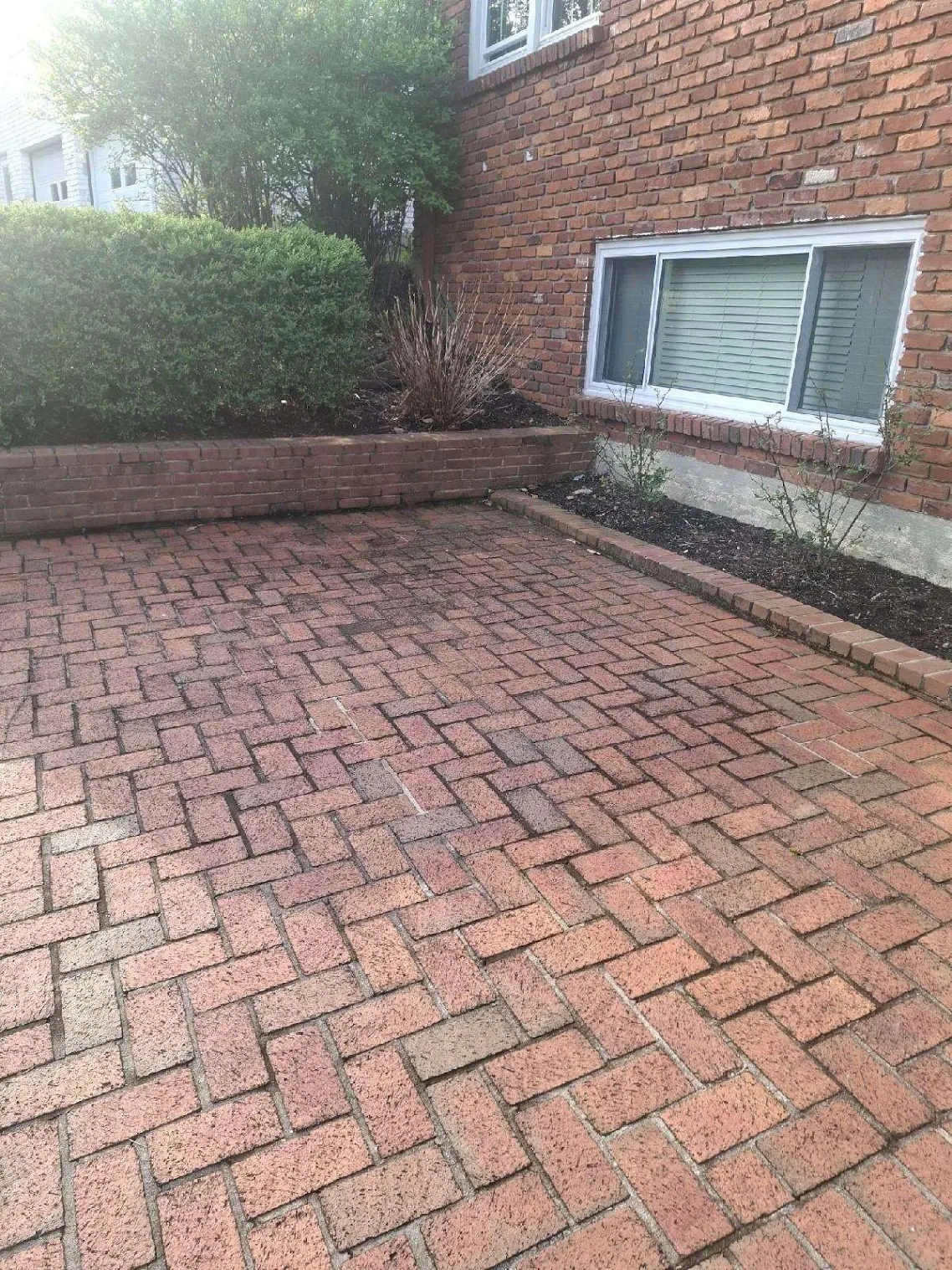
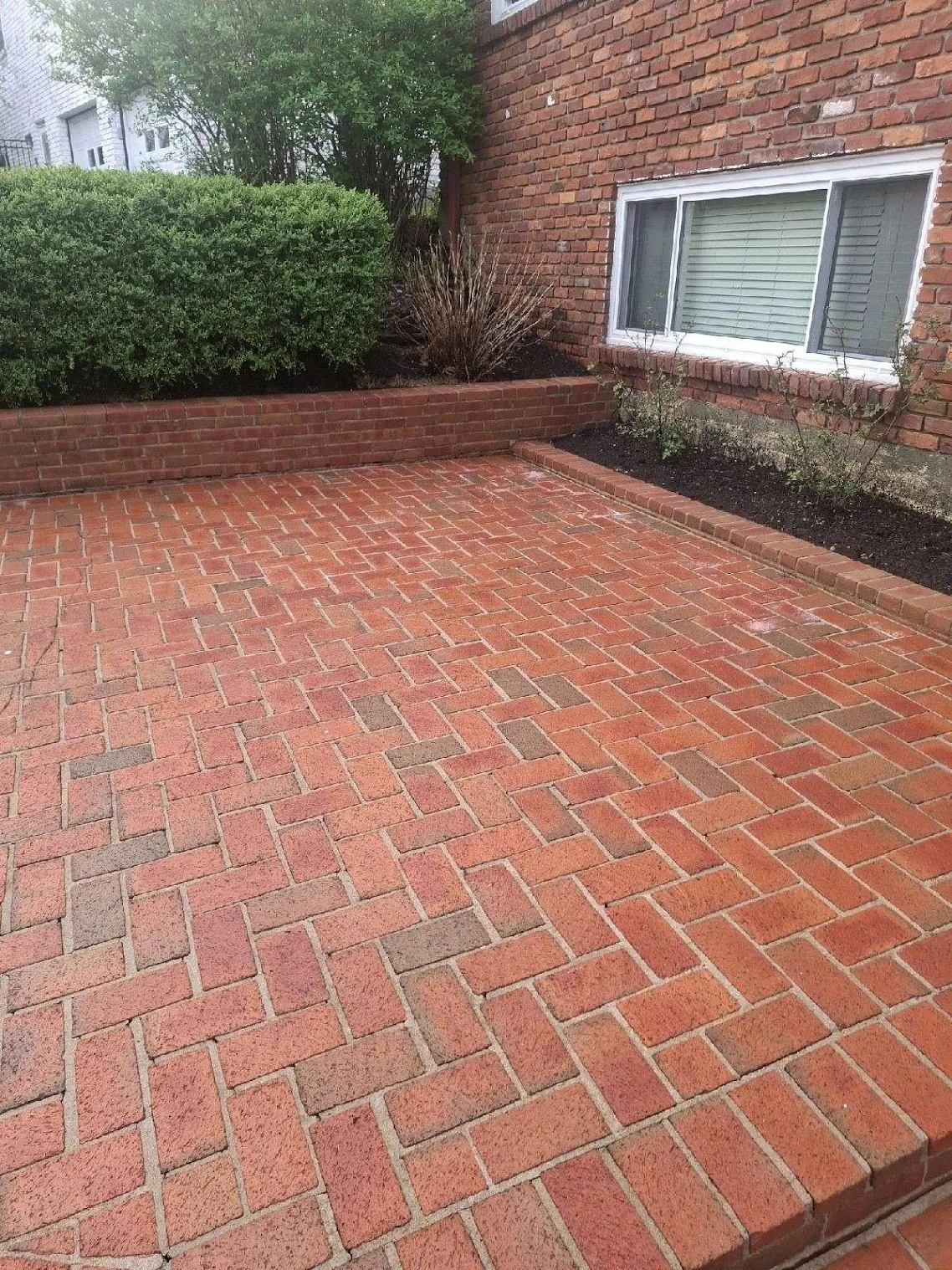

"Jason did a great job with the pressure washing of my house. He first contacted me about a month ago. (I think I had clicked Angi's List or something similar.) But anyway, when he first called me, I told him I work in taxation and would not have time to think about projects until after tax season was over, and to call me after April 17. And... unlike just about every other service provider - who would call me daily... Jason called me on April 18. And we went back and forth for a few days - mostly me asking questions... until we agreed he would pressure wash the house, patio, and driveway. And then he was available within that week! And stayed a bit longer to be sure everything was done right. Plus... he's the OWNER and started the business himself - not just someone who bought a franchise. (which is important to me - I like to support local business, even more so if it's an entrepreneur and not a franchisee.) And every time I pull into my driveway, I smile"

"We had a great experience with Jason at Clear Exterior! Scheduling was easy, and he did a thorough and professional job at an affordable price. He got our siding and our concrete looking fresh again. Highly recommended if you need some pressure washing done!"
We help homeowners across the Cincinnati area keep exterior surfaces clean, safe, and well maintained.
Service Area Map
Based in Cincinnati, we serve homeowners across Cincinnati and nearby communities.
West Chester
Liberty Township
Hyde Park
Pleasant Ridge
Sharonville
Milford
Batavia