Step 1
Identify The Material And Condition
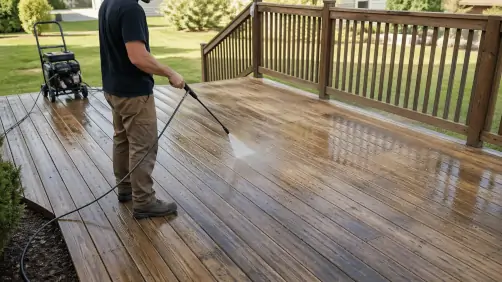
We check whether the fence is wood, vinyl, or composite, look for loose pickets and rot at the posts, and set the pressure accordingly.
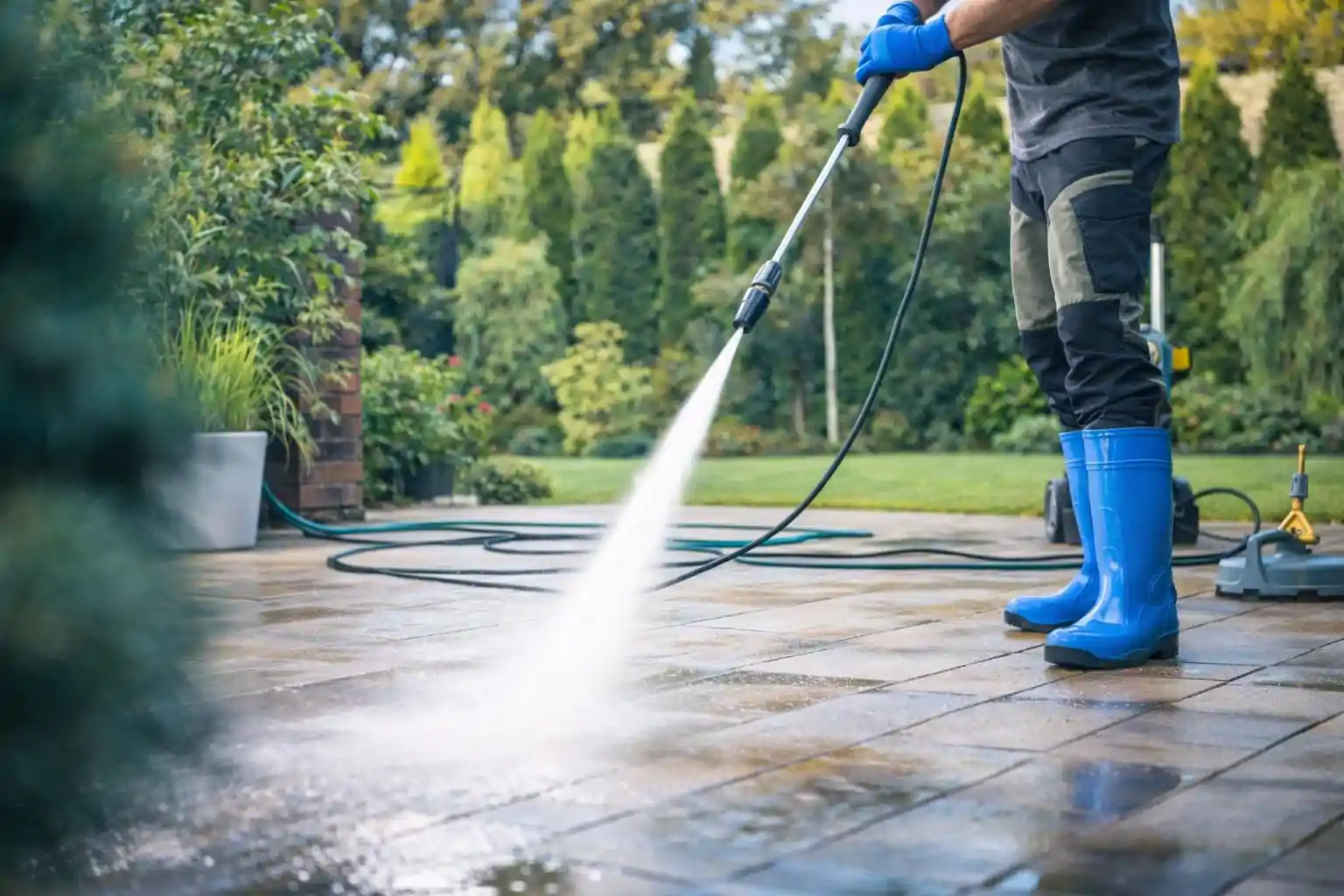
Fences take the worst of the shade because they sit at the property line, right where the tree cover is thickest and the airflow is worst.
Learn More About This ServiceA fence is the one exterior surface with no roof over it and no sun protection from either side, and in Blue Ash it usually runs right along the back of the lot where the mature trees are. That combination is why fences go green faster than anything else on the property, often while the house siding still looks reasonably clean.
The material determines the approach. Vinyl fencing holds a green algae film that washes off readily once it is treated. Wood fencing greys, grows algae in the grain, and needs a gentler touch because the pickets are thin and old wood furs up under too much pressure. Composite sits in between and mostly needs the surface film lifted without scouring the texture.
We clean both sides. A fence cleaned only from your side is obvious from the neighbor's yard and, more practically, the growth simply comes back through from the untreated face.
Back-of-lot fences under tree cover green up faster than any other surface on the property, and it reads immediately from the yard.
Vinyl, wood, and composite each want a different pressure and approach. Treating them all the same is how pickets get furred and vinyl gets streaked.
A cleaned and brightened wood fence can be stained or sealed, which slows the greying and growth considerably.
Growth left on the far face works back through the boards, so one-sided cleaning does not hold for long.
Step 1
We check whether the fence is wood, vinyl, or composite, look for loose pickets and rot at the posts, and set the pressure accordingly.
Step 2
Plantings along the fence line are pre-wet and protected, since fences usually run right through landscaping.
Step 3
Cleaning solution breaks down the algae and organic film, then the fence is washed at a pressure the material can take.
Step 4
Both sides are rinsed and checked, and we point out any boards or posts that need repair or would benefit from sealing.
Will pressure washing damage my wood fence?
It can if the pressure is wrong. Fence pickets are thinner than deck boards and older wood furs up easily. We clean wood fencing at a much lower pressure than concrete and let the solution do most of the work.
Do you clean the neighbor's side too?
We clean both faces where we have access, and we will ask first. Cleaning one side only looks odd and does not last, because the growth comes back through from the untreated face.
My vinyl fence has green streaks. Will they come off?
Usually completely. Green on vinyl is surface algae rather than staining, and it releases well once treated. Vinyl that has chalked with age may still look dull after cleaning, which is oxidation rather than dirt.
Should I seal the fence after cleaning?
Worth it on wood, particularly along shaded Blue Ash property lines where growth returns quickly. Sealing a clean, brightened fence slows both the greying and the moisture damage. Vinyl and composite do not need sealing.
We also offer fence cleaning in nearby communities. Choose another area below.

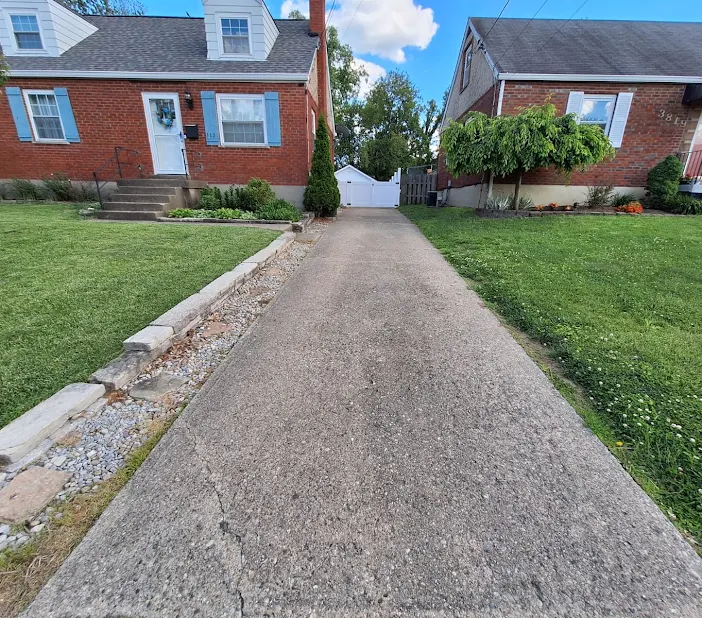
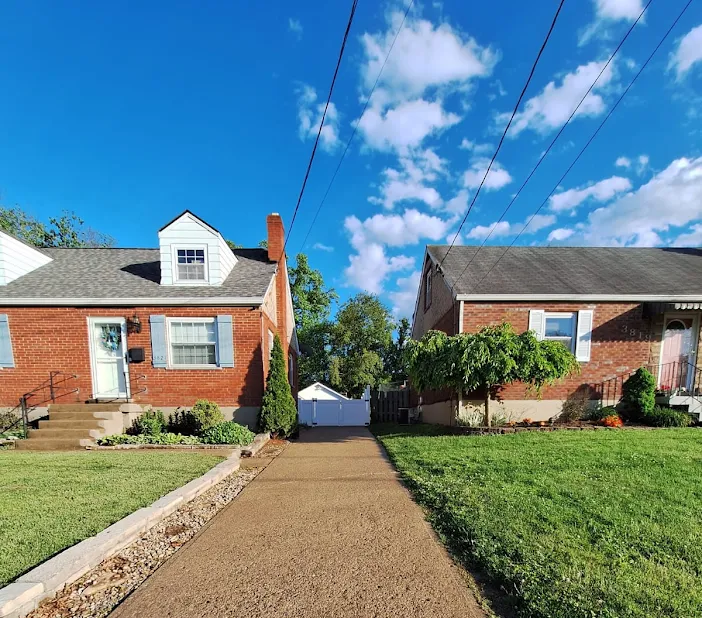
"Jason did great work on our home's driveway and front walkway. I didn't even notice just how dark some spots had gotten, especially our front steps, until he pressure washed them. I was amazed at the before and after! They look so much better now!"

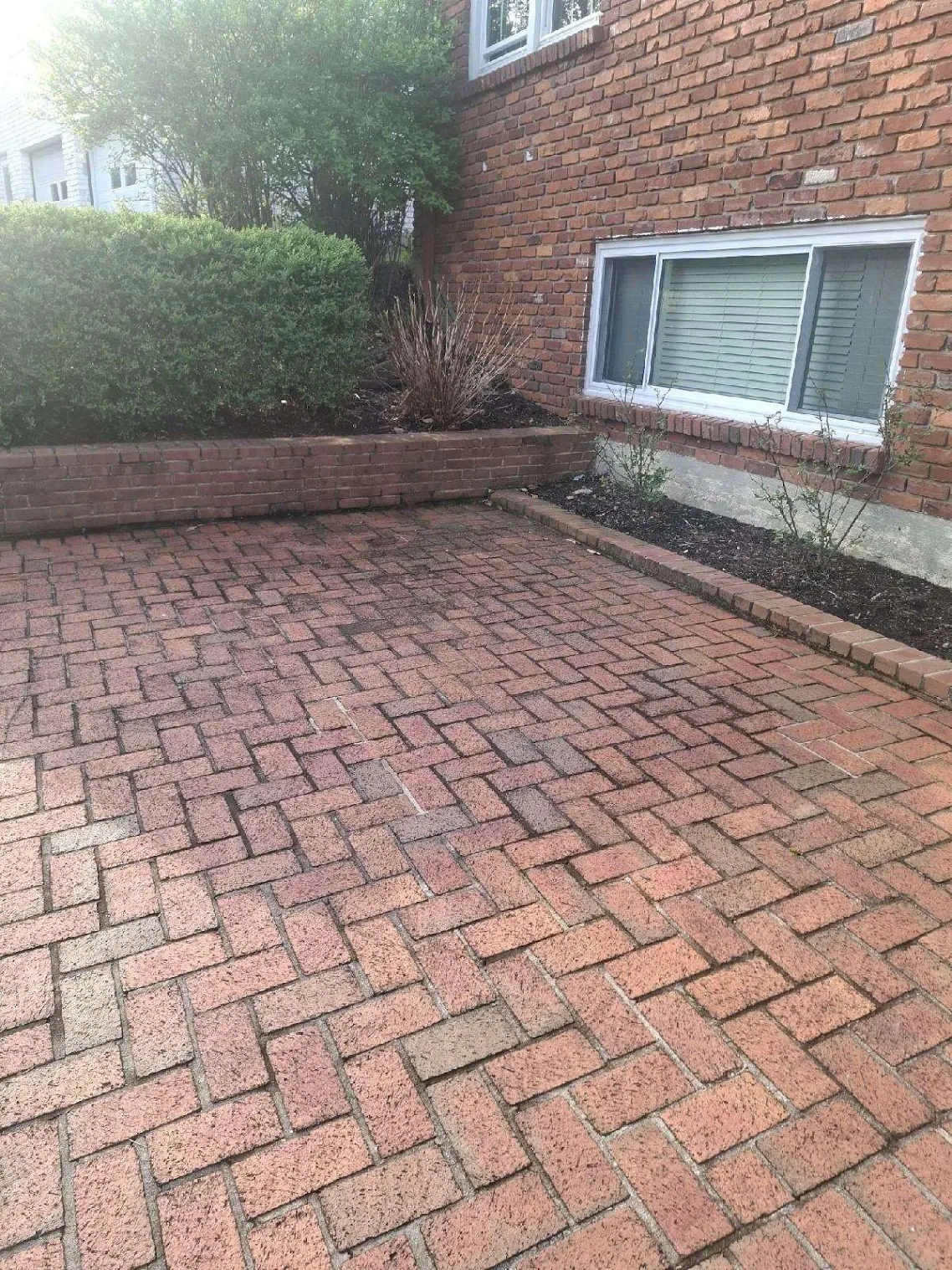
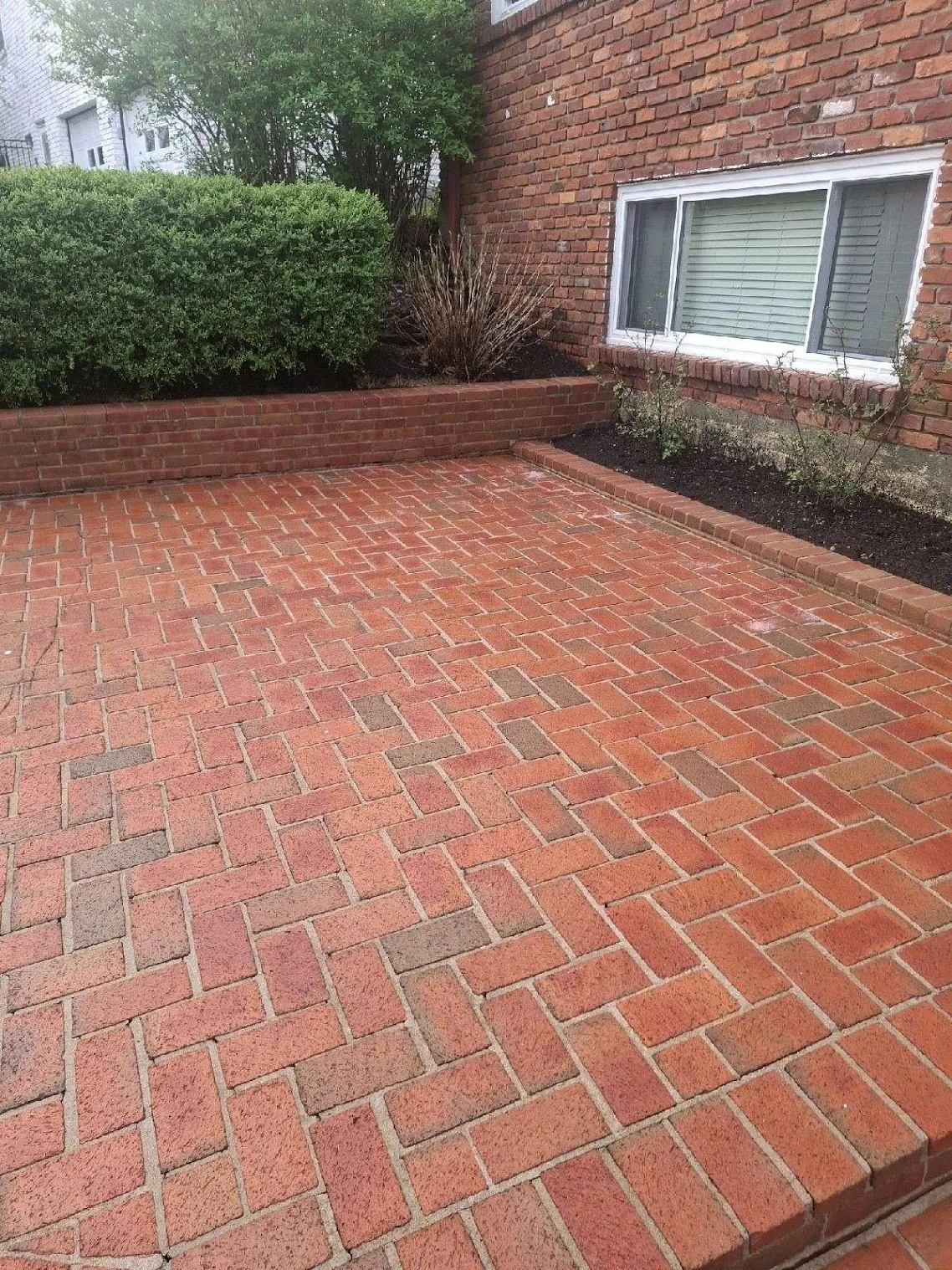
"Jason replied promptly with a competitive estimate immediately after I reached out to him. He was able to fit me in his schedule the next day. He did a great job cleaning the dirt and algae off my brick patio. I will reach out to him with future needs and highly recommend him."

"Jason did a great job with the pressure washing of my house. He first contacted me about a month ago. (I think I had clicked Angi's List or something similar.) But anyway, when he first called me, I told him I work in taxation and would not have time to think about projects until after tax season was over, and to call me after April 17. And... unlike just about every other service provider - who would call me daily... Jason called me on April 18. And we went back and forth for a few days - mostly me asking questions... until we agreed he would pressure wash the house, patio, and driveway. And then he was available within that week! And stayed a bit longer to be sure everything was done right. Plus... he's the OWNER and started the business himself - not just someone who bought a franchise. (which is important to me - I like to support local business, even more so if it's an entrepreneur and not a franchisee.) And every time I pull into my driveway, I smile"

"We had a great experience with Jason at Clear Exterior! Scheduling was easy, and he did a thorough and professional job at an affordable price. He got our siding and our concrete looking fresh again. Highly recommended if you need some pressure washing done!"
We help homeowners across the Cincinnati area keep exterior surfaces clean, safe, and well maintained.
Service Area Map
Based in Cincinnati, we serve homeowners across Cincinnati and nearby communities.
Madeira
Loveland
Mason
West Chester
Liberty Township
Hyde Park
Pleasant Ridge
Sharonville
Milford
Batavia