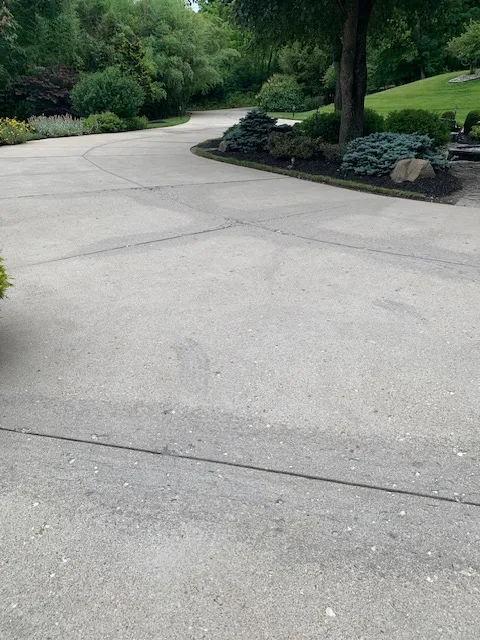
Step 1
Inspect Every Roof Plane
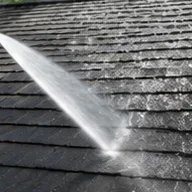
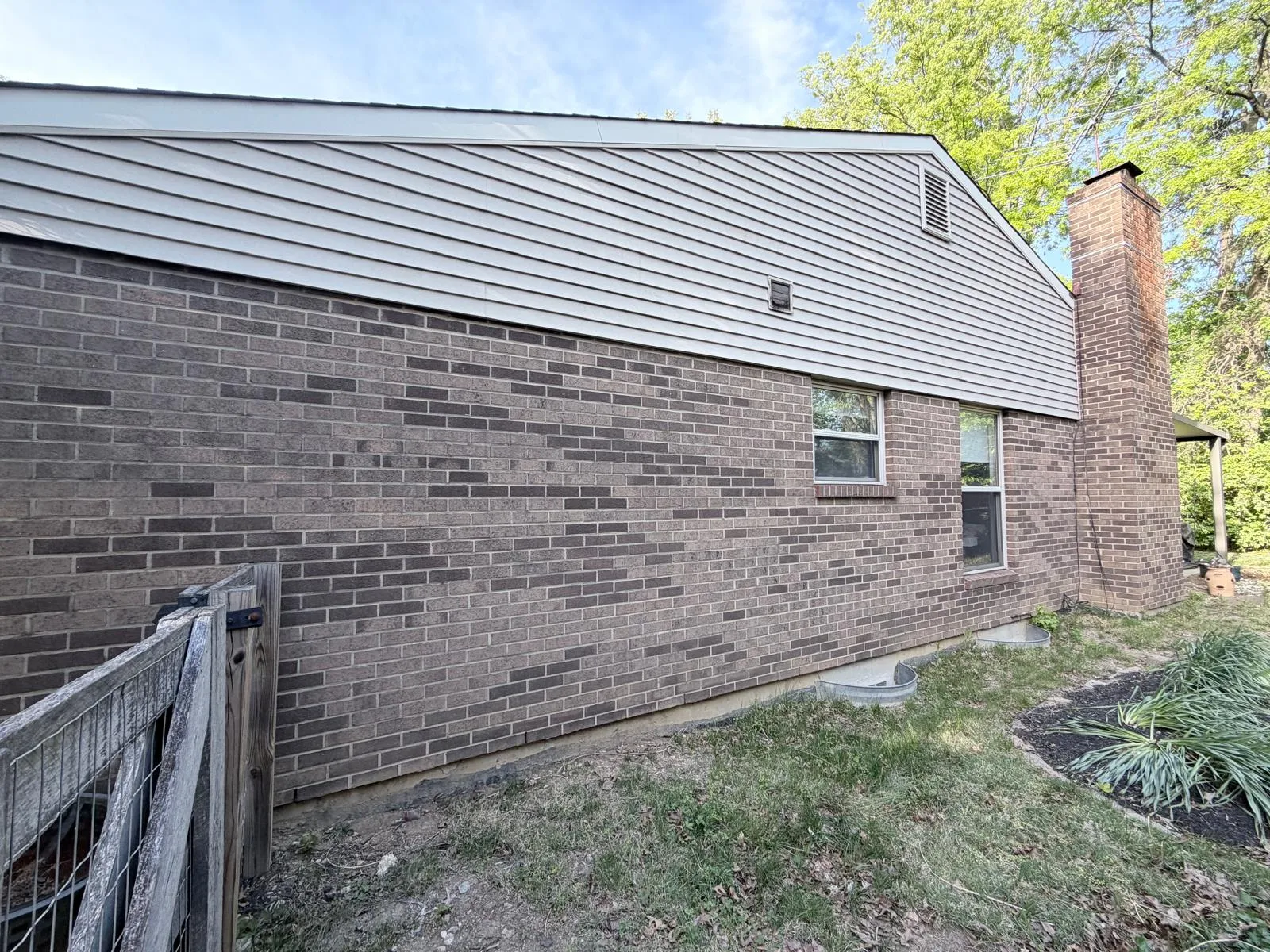
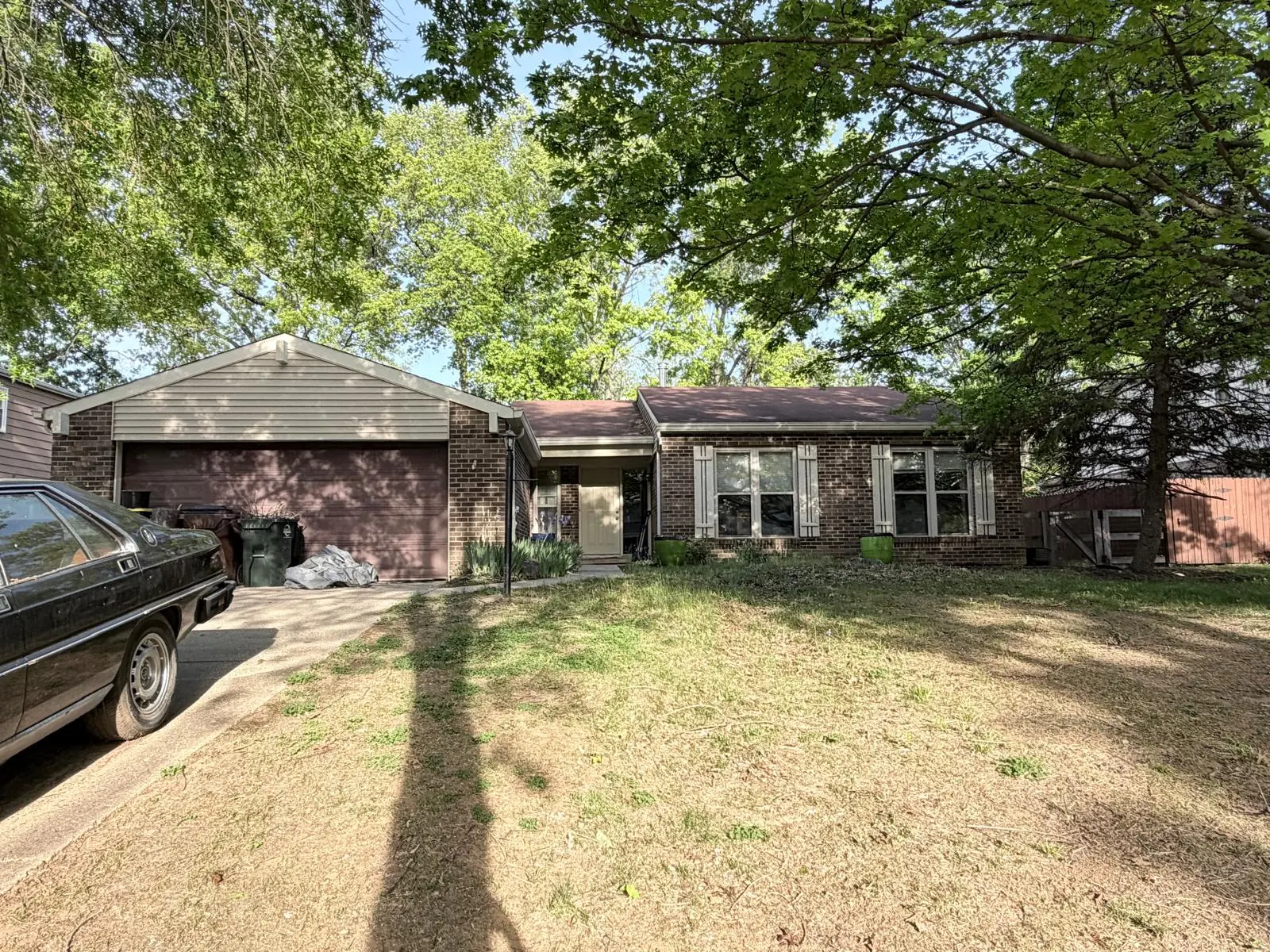
We check the main runs plus porch roofs, dormers, and additions, looking at valleys, transitions, sagging, and loose fasteners.
Tree-lined streets mean gutters that fill fast, and older homes often have more roof planes feeding them than a modern house does.
Learn More About This ServiceMontgomery's canopy is the reason gutters here need attention more often than in a newer, opener subdivision. Leaves, seeds, and fine twig debris come down steadily from spring through late fall, and mature trees close to the house deliver it straight into the trough rather than letting wind carry it clear.
Older homes complicate the job. Porch roofs, dormers, bay windows, and additions built over the years mean more roof planes, more valleys, and more separate gutter runs than a simple modern roofline has. Debris collects at every valley and transition, and those junctions are where water backs up under the shingle edge and starts working into fascia and soffit, which on a historic home is trim you do not want to be replacing.
There is a hardscape consideration here too. Downspouts on many Montgomery properties discharge onto or beside brick paver walks and entries. Overflow and misdirected downspout water wash the joint sand out of those pavers over time, so a gutter problem turns into a paver problem.
Backed-up gutters wick into fascia and soffit. On an older home that is detailed woodwork, and replacing it costs far more than regular cleaning.
Porch roofs, dormers, and additions create valleys and transitions where debris packs in and standard cleaning misses.
Overflow and poorly directed downspouts wash joint sand out of brick paver entries, so working gutters protect the hardscape too.
A clear-looking trough draining into a packed elbow still overflows. We confirm water actually moves through the system.
Step 1
We check the main runs plus porch roofs, dormers, and additions, looking at valleys, transitions, sagging, and loose fasteners.
Step 2
Packed leaves, seeds, twigs, and shingle grit are removed from the full length of every run, including the awkward short sections.
Step 3
Each downspout is cleared and flushed, with attention to where it discharges and whether that is undermining walkways below.
Step 4
Water is run through the system to verify drainage, debris is cleared from the ground, and we report anything needing repair.
How often do gutters need cleaning under this much tree cover?
Twice a year at minimum for most Montgomery homes, and properties with large trees directly overhead often want three visits. A single annual cleaning is rarely enough where the canopy is heavy.
My house has porch roofs and dormers. Does that cost more?
It takes longer, because there are more separate runs, valleys, and transitions than a simple roofline. We look at the actual roof before quoting rather than pricing by footprint alone.
Can gutter overflow really damage my paver walkway?
Yes, and it is common here. Water dumping in one spot washes the joint sand out of pavers below, which lets the stones shift and settle. Fixing the downspout discharge usually matters as much as fixing the pavers.
What is the risk of leaving them packed over winter?
Standing debris holds water that freezes and expands, which strains the gutter, pulls fasteners loose, and pushes water back under the shingle edge into fascia and soffit. On older homes that trim is the expensive part.
We also offer gutter cleaning in nearby communities. Choose another area below.

"I am happy to recommend Clear Exterior. Jason was prompt in communication, reasonable in price and the before and after pictures tell the story. While I hope not to have as much dirt and moss on my walkway and roof, I will be calling Jason."

"Jason did a great job. He and his wife work well together. During the walk around, he offered to redo a few areas where the dirt was not removed completely to ensure that I was satisfied. Good luck, Jason and Clear Exterior! Wishing you a successful future!"

"Jason did great work on our home's driveway and front walkway. I didn't even notice just how dark some spots had gotten, especially our front steps, until he pressure washed them. I was amazed at the before and after! They look so much better now!"
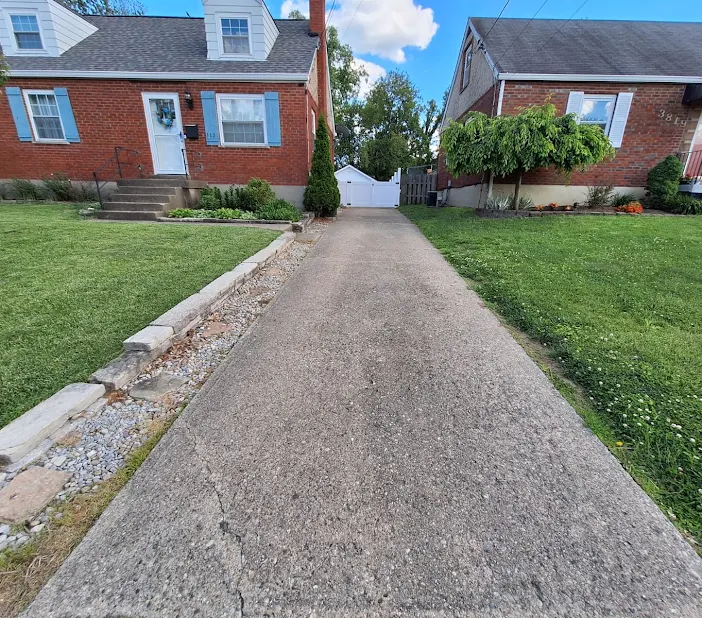
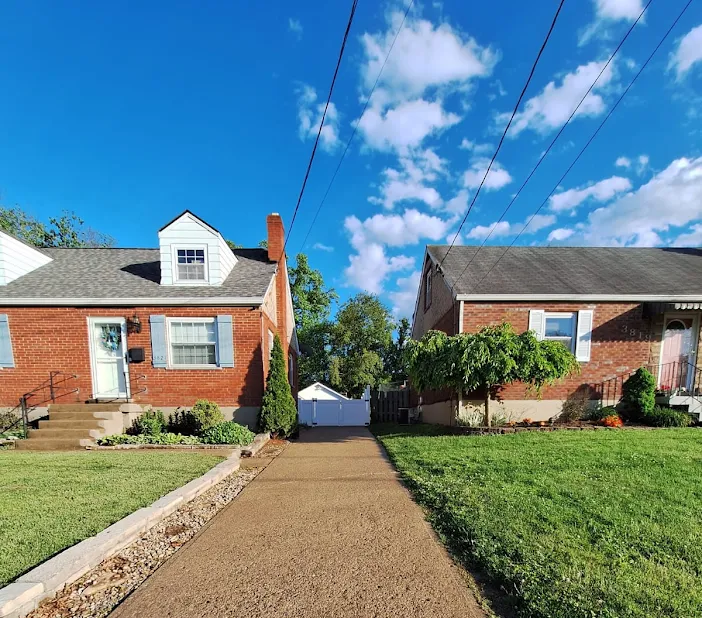

"Jason replied promptly with a competitive estimate immediately after I reached out to him. He was able to fit me in his schedule the next day. He did a great job cleaning the dirt and algae off my brick patio. I will reach out to him with future needs and highly recommend him."
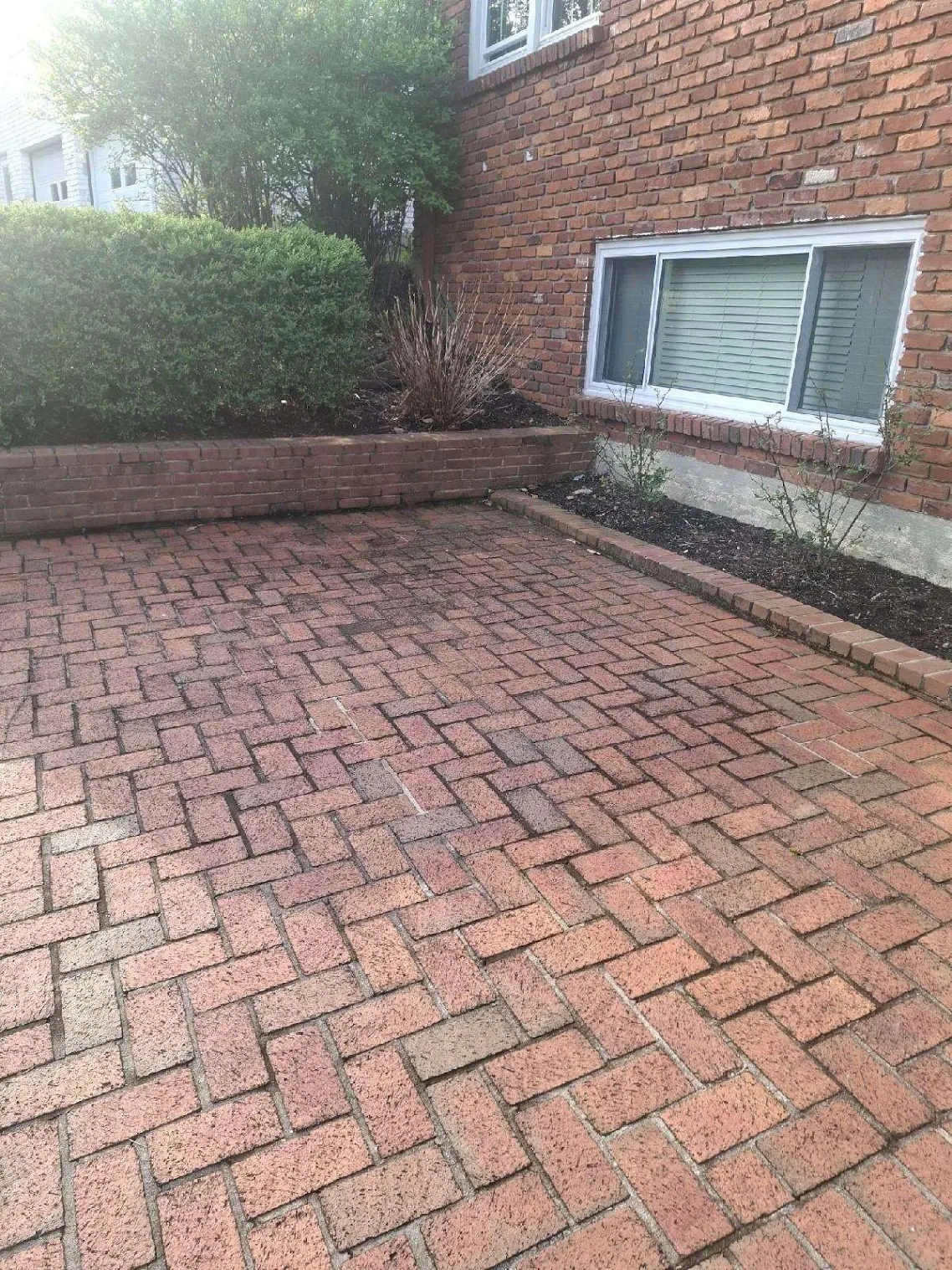
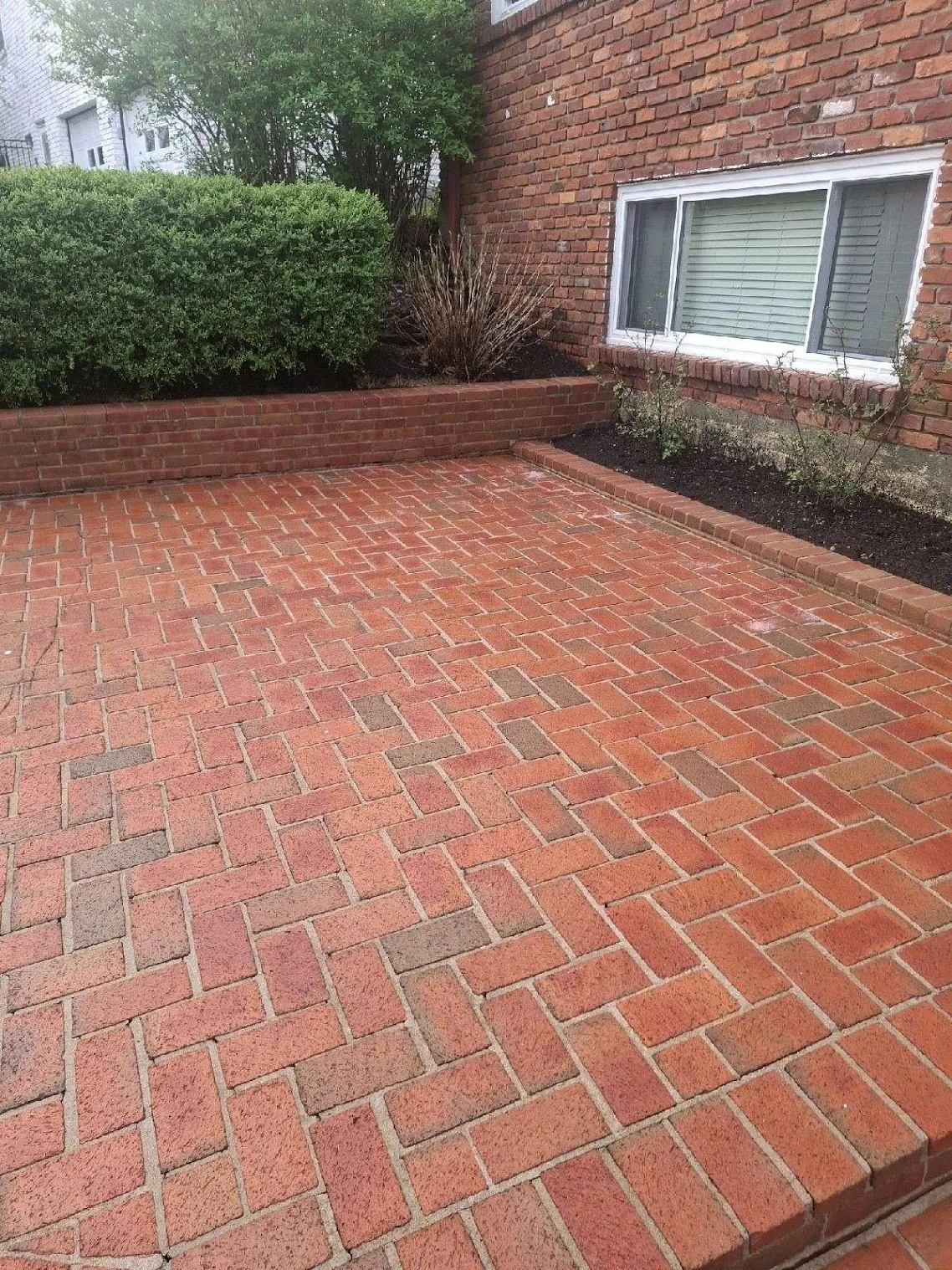

"Jason did a great job with the pressure washing of my house. He first contacted me about a month ago. (I think I had clicked Angi's List or something similar.) But anyway, when he first called me, I told him I work in taxation and would not have time to think about projects until after tax season was over, and to call me after April 17. And... unlike just about every other service provider - who would call me daily... Jason called me on April 18. And we went back and forth for a few days - mostly me asking questions... until we agreed he would pressure wash the house, patio, and driveway. And then he was available within that week! And stayed a bit longer to be sure everything was done right. Plus... he's the OWNER and started the business himself - not just someone who bought a franchise. (which is important to me - I like to support local business, even more so if it's an entrepreneur and not a franchisee.) And every time I pull into my driveway, I smile"

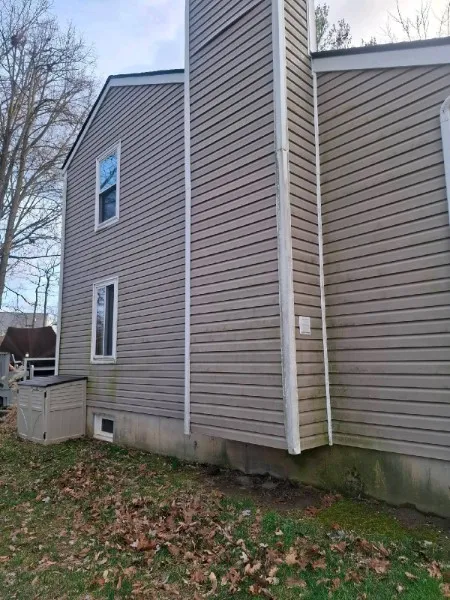
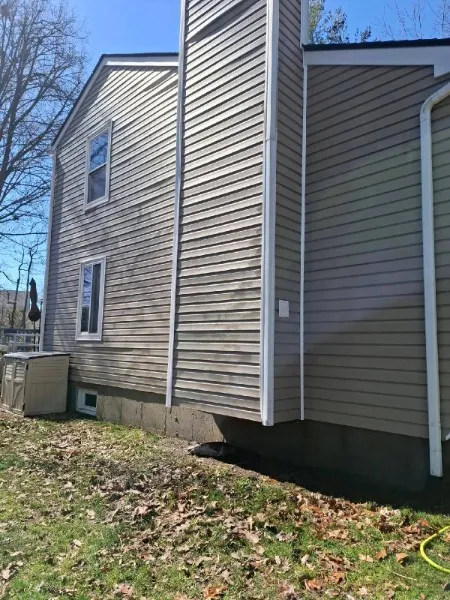
"We had a great experience with Jason at Clear Exterior! Scheduling was easy, and he did a thorough and professional job at an affordable price. He got our siding and our concrete looking fresh again. Highly recommended if you need some pressure washing done!"
We help homeowners across the Cincinnati area keep exterior surfaces clean, safe, and well maintained.
Service Area Map
Based in Cincinnati, we serve homeowners across Cincinnati and nearby communities.
West Chester
Liberty Township
Hyde Park
Pleasant Ridge
Sharonville
Milford
Batavia