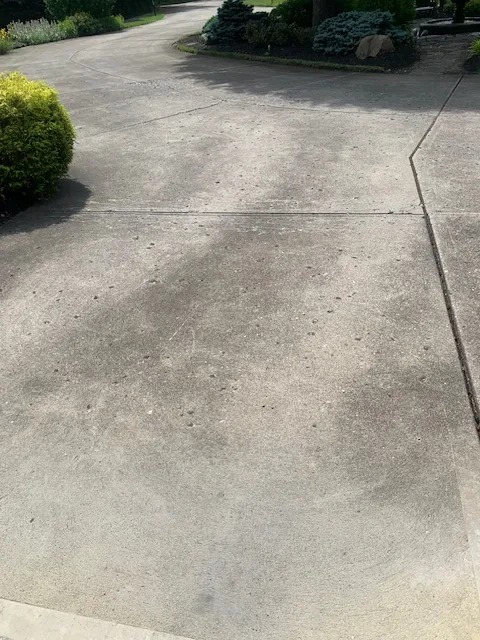
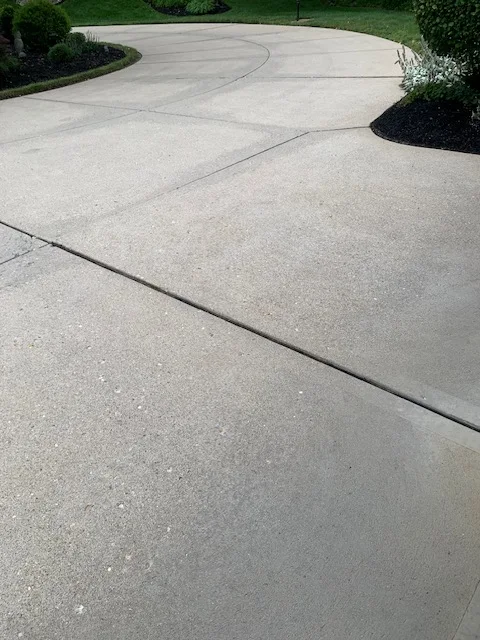
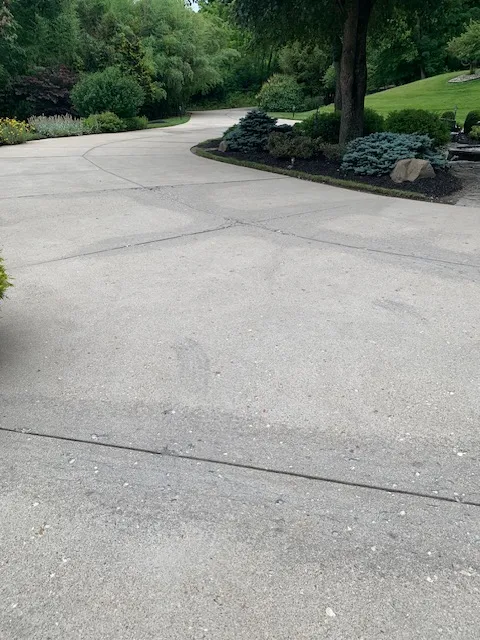
Step 1
Walkthrough And Setup
 Step 1
We walk the house, note pane sizes and heights, work out safe access for the walkout elevation, and protect sills and beds.
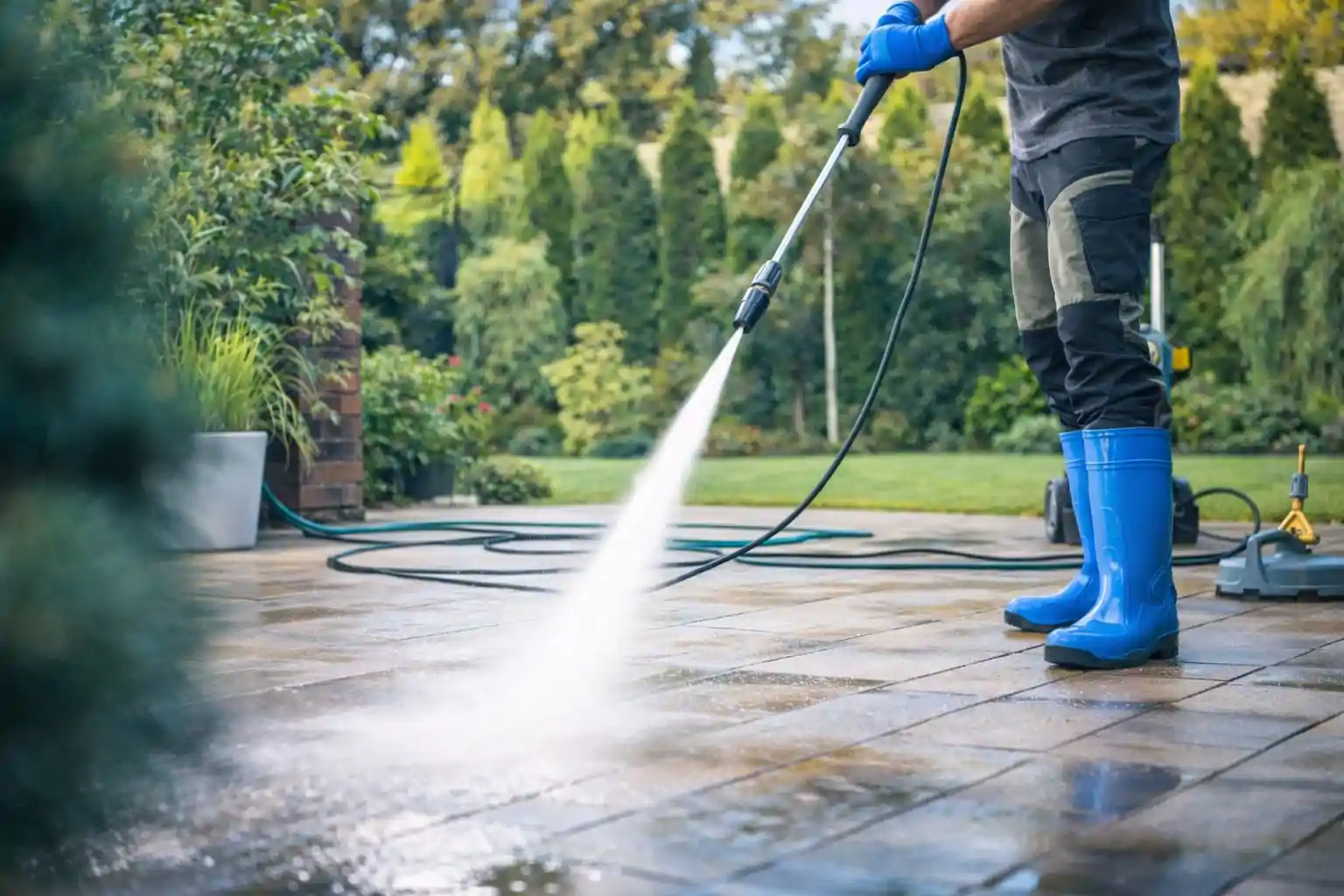
You paid for the view. Damp valley air quietly puts a film over it, and the difference when it comes off is the thing people call back about.
Learn More About This ServiceHomes on the valley side of Loveland tend to have a lot of glass aimed at the river and the tree line, and that glass takes a particular kind of dirtying. Damp air carries fine airborne debris onto the pane, fog cycles wet the surface and dry it again repeatedly, and pollen and organic material off the surrounding woods bond into the film that builds up. The result is not obvious dirt so much as a general haze that takes the edge off everything behind it.
Because it accumulates gradually, most people stop noticing entirely. The giveaway is usually the difference after one elevation is done, or what the glass looks like with low winter sun coming through it. On large fixed panes facing the valley, that film is working directly against the reason the window was put there, which is a strange thing to be paying a mortgage on.
Access is the real skill here. Hillside homes with walkout basements have glass at heights a ladder does not comfortably reach, and the ground underneath slopes away rather than sitting flat, which is exactly the situation where ladder work goes badly. Reaching it safely takes proper equipment and a plan. It is routine for us and it is genuinely not worth improvising on uneven ground above a drop.
Film from damp air and fog cycles dulls valley-facing glass gradually. Clearing it restores the outlook the room was designed around.
Walkout elevations put glass high above ground that falls away. We come equipped for it rather than balancing a ladder on a slope.
Wooded river lots deposit pollen and organic material that bonds into the surface. It needs proper washing rather than a rinse.
Damp conditions collect grit and growth in tracks and along sills, and cleaning those is what makes the whole opening look right.
Step 1
Step 1
We walk the house, note pane sizes and heights, work out safe access for the walkout elevation, and protect sills and beds.
Step 2
 Step 2
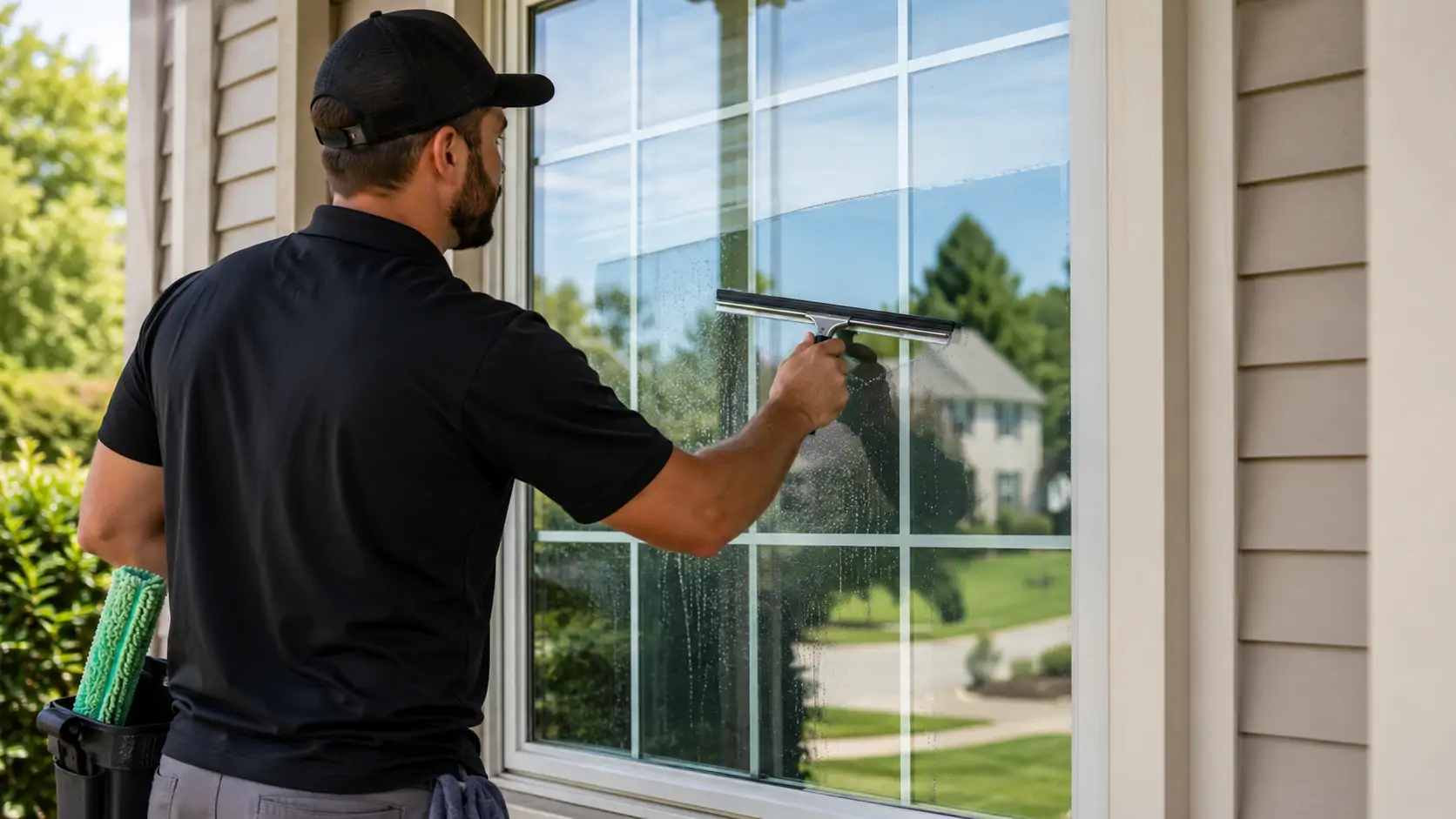
Glass is washed to break the film loose and squeegeed clean, with edges and corners detailed by hand.
My windows are not visibly dirty but the view looks dull. Is that normal here?
Very. In the valley the usual problem is an even film rather than obvious spotting, built from damp air, fog cycles, and organic material off the trees. It is genuinely hard to see until one window is cleaned next to one that is not.
Can you reach the windows on the walkout side?
Yes. That is standard on Loveland hillside homes and we plan for it. The ground below those windows usually slopes, so safe access is a matter of the right equipment rather than a longer ladder.
How much does window cleaning cost in Loveland?
It depends on pane count, height, and whether you want interiors as well. Large valley-facing glass is fewer panes but more access. Estimates are free and we will look at the actual house.
How often should windows be cleaned here?
Twice a year suits most homes, spring after pollen and fall once the leaves are down. Houses tight against wooded areas or low in the valley benefit from the spring visit in particular.
Do you clean the inside as well?
Yes, and on large valley-facing panes it is worth doing both. Cleaning only the exterior leaves the haze that is on the inside, and the glass will not look right until both surfaces are done.
We also offer window cleaning in nearby communities. Choose another area below.

"I am happy to recommend Clear Exterior. Jason was prompt in communication, reasonable in price and the before and after pictures tell the story. While I hope not to have as much dirt and moss on my walkway and roof, I will be calling Jason."

"Jason did a great job. He and his wife work well together. During the walk around, he offered to redo a few areas where the dirt was not removed completely to ensure that I was satisfied. Good luck, Jason and Clear Exterior! Wishing you a successful future!"

"Jason did great work on our home's driveway and front walkway. I didn't even notice just how dark some spots had gotten, especially our front steps, until he pressure washed them. I was amazed at the before and after! They look so much better now!"
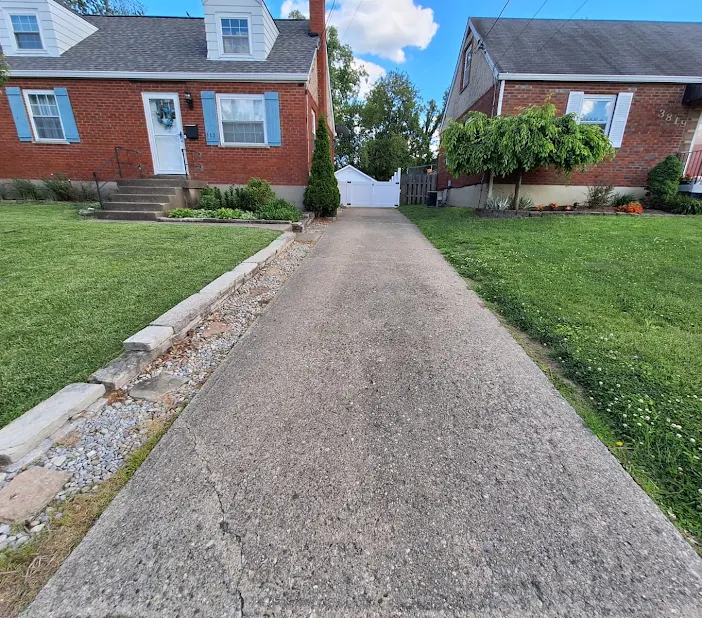
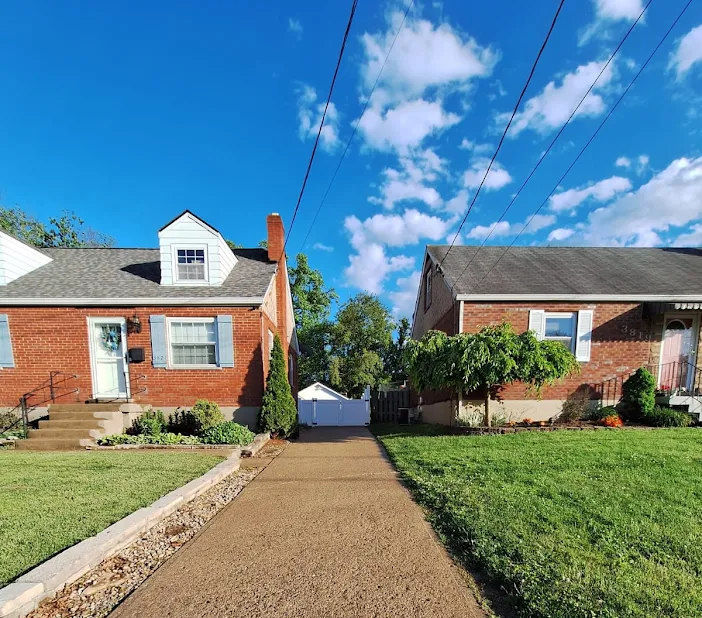

"Jason replied promptly with a competitive estimate immediately after I reached out to him. He was able to fit me in his schedule the next day. He did a great job cleaning the dirt and algae off my brick patio. I will reach out to him with future needs and highly recommend him."
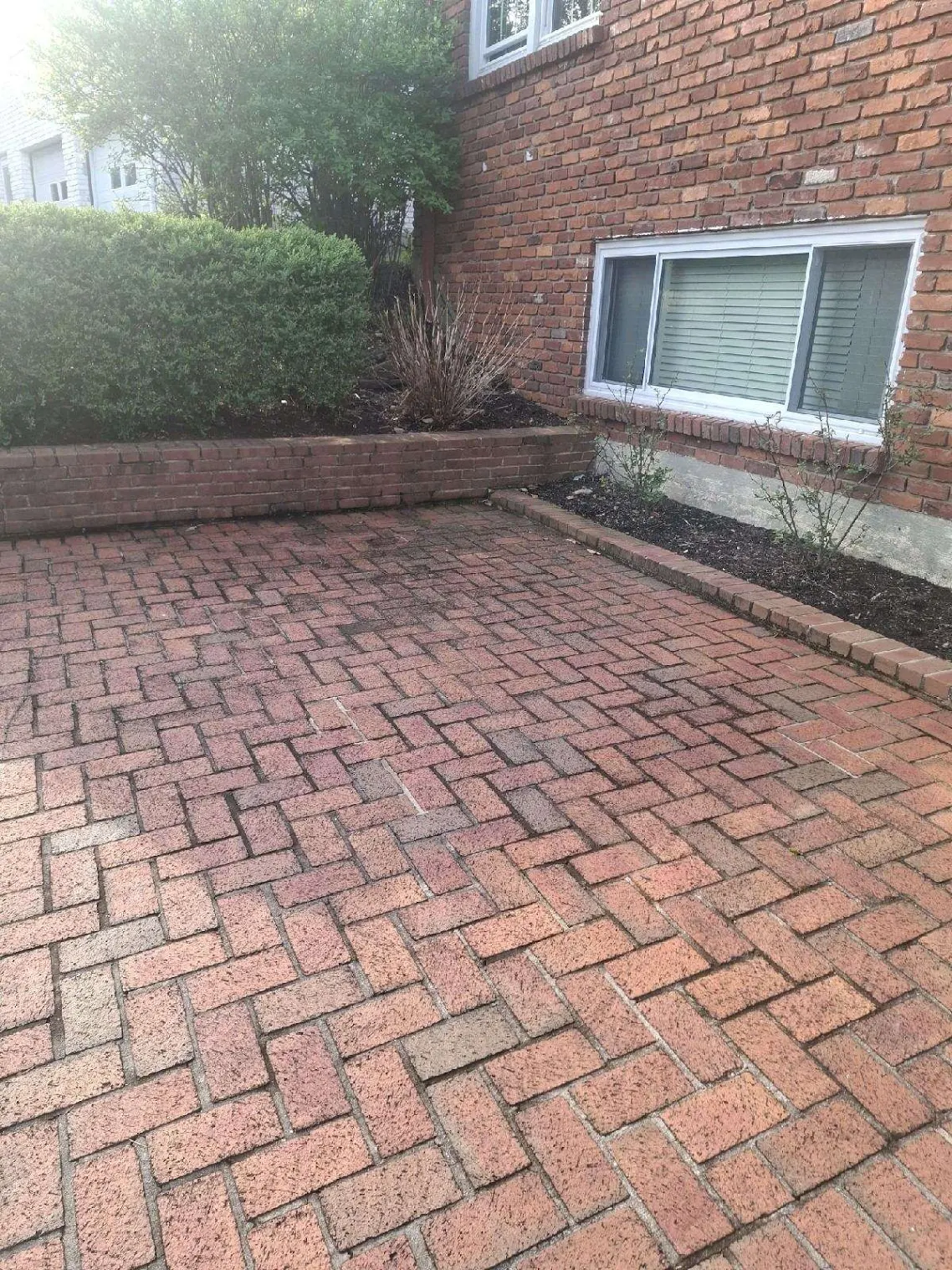
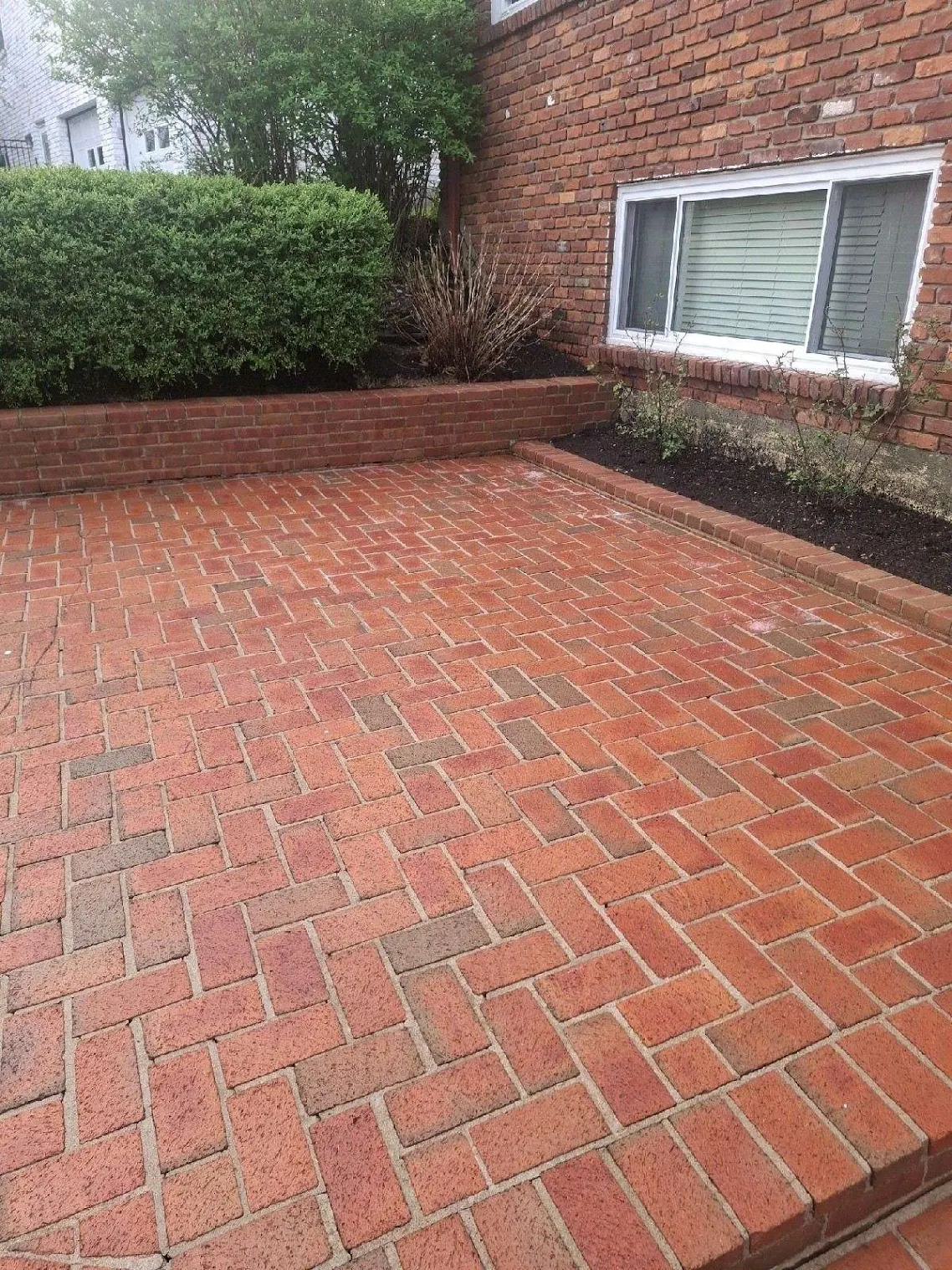

"Jason did a great job with the pressure washing of my house. He first contacted me about a month ago. (I think I had clicked Angi's List or something similar.) But anyway, when he first called me, I told him I work in taxation and would not have time to think about projects until after tax season was over, and to call me after April 17. And... unlike just about every other service provider - who would call me daily... Jason called me on April 18. And we went back and forth for a few days - mostly me asking questions... until we agreed he would pressure wash the house, patio, and driveway. And then he was available within that week! And stayed a bit longer to be sure everything was done right. Plus... he's the OWNER and started the business himself - not just someone who bought a franchise. (which is important to me - I like to support local business, even more so if it's an entrepreneur and not a franchisee.) And every time I pull into my driveway, I smile"

"We had a great experience with Jason at Clear Exterior! Scheduling was easy, and he did a thorough and professional job at an affordable price. He got our siding and our concrete looking fresh again. Highly recommended if you need some pressure washing done!"
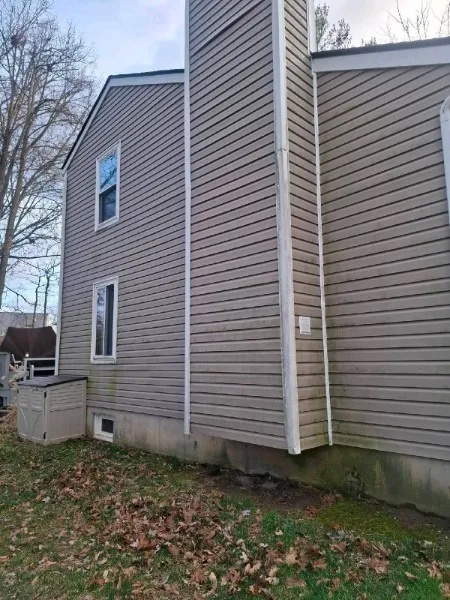
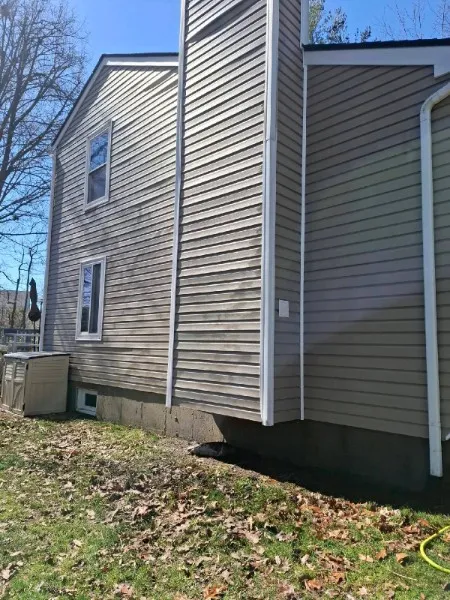
We help homeowners across the Cincinnati area keep exterior surfaces clean, safe, and well maintained.
Service Area Map
Based in Cincinnati, we serve homeowners across Cincinnati and nearby communities.
West Chester
Liberty Township
Hyde Park
Pleasant Ridge
Sharonville
Milford
Batavia