Step 1
Clean Off Growth And Old Finish
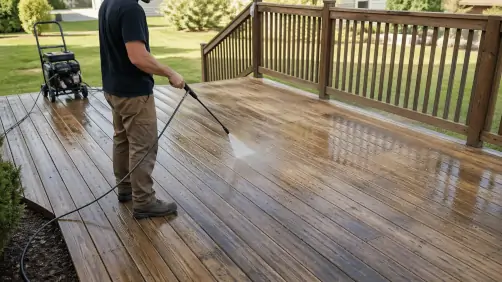
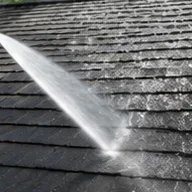
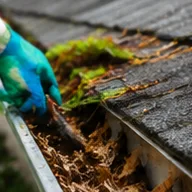
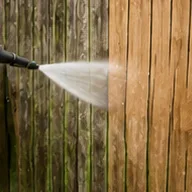
The deck is washed to clear algae, mildew, grey surface fiber, and any peeling finish that would stop new stain from bonding.
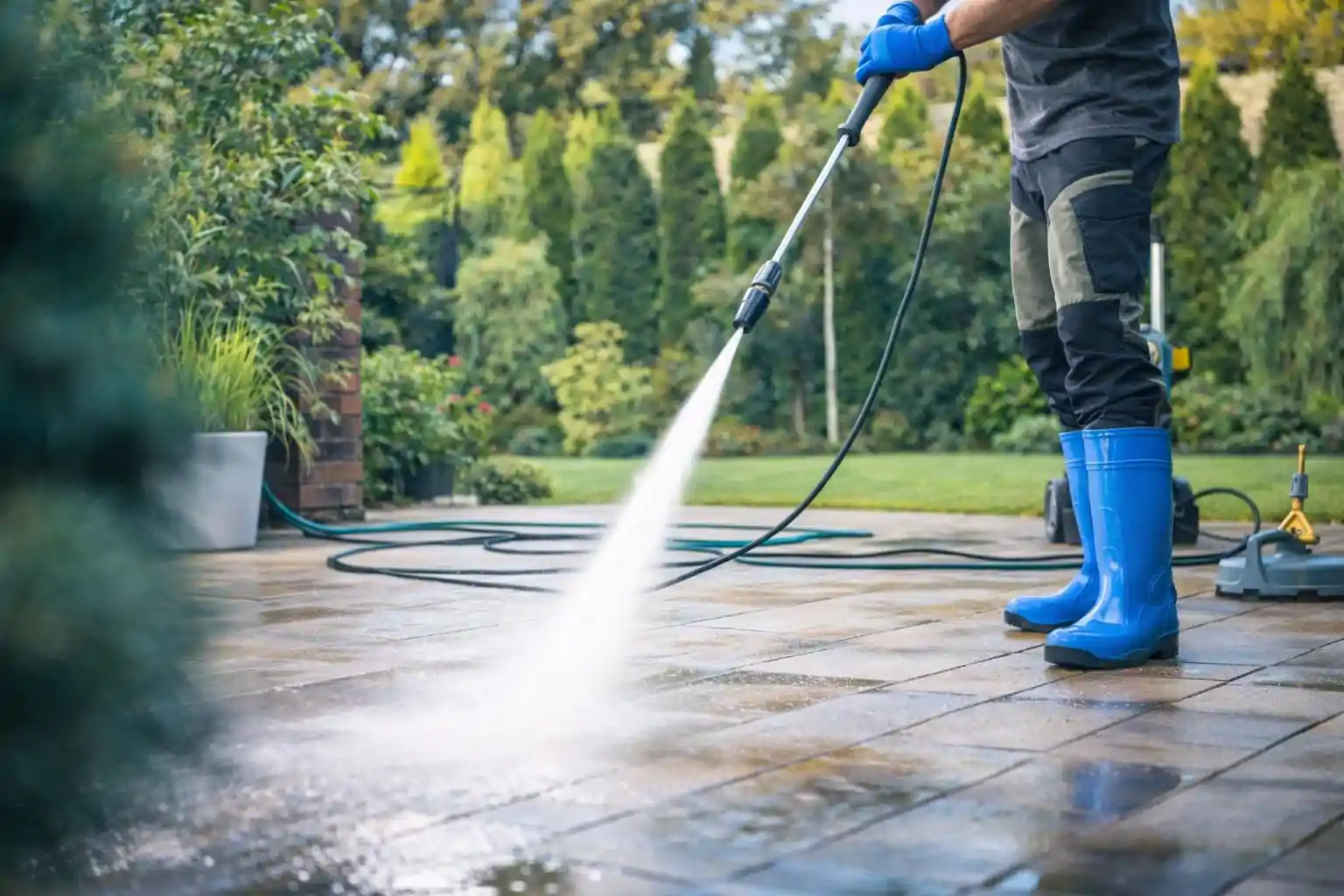
Staining a shaded deck is a different job than staining a sunny one. The prep matters more, the drying takes longer, and skipping either is why so many deck finishes fail in a single season.
Learn More About This ServiceMost Blue Ash backyards sit under the same mature canopy that shades the house, and shaded wood behaves differently. It stays wet longer after rain, grows algae rather than simply bleaching out, and holds moisture deep in the boards well after the surface feels dry to the touch. All three of those work against a stain finish.
That is why the prep is most of this job. The deck gets cleaned to remove growth and failing finish, brightened to reopen the grain, and then given real time to dry down to the right moisture level. Stain applied over a damp shaded deck cannot penetrate, so it sits on the surface and peels off in sheets by the following summer.
Once the wood is genuinely ready, we stain and seal. The finish penetrates instead of sitting on top, the color stays even across the boards, and the sealed surface sheds water rather than absorbing it, which is what actually buys you years between refinishes.
Cleaning, brightening, and a real drying window are what let stain penetrate on a deck that never gets full sun.
A sealed deck stops absorbing the moisture that shaded boards otherwise sit in, which slows cupping, cracking, and rot.
Sealed wood gives algae far less to grip. Under canopy that is the difference between cleaning every year and every few years.
Properly prepped boards take stain evenly, instead of the blotchy look you get when some areas were still damp or still dirty.
Step 1
The deck is washed to clear algae, mildew, grey surface fiber, and any peeling finish that would stop new stain from bonding.
Step 2
A wood brightener neutralizes the cleaner, restores natural tone, and reopens the grain so the stain can soak in.
Step 3
Shaded decks need longer than open ones. We schedule the stain for when the boards are actually ready, not on a fixed calendar.
Step 4
Stain is applied evenly and worked into the wood, then sealed so the color and the water protection last.
My deck is under heavy trees. Does that change the stain choice?
It changes the schedule more than the product. Shaded decks need a longer drying window before staining, and they benefit from a finish with good mildew resistance since they stay damp longer than a deck in full sun.
How long will the stain last on a shaded deck?
Usually two to three years for the walking surface. Shade cuts UV damage, which helps, but the extra moisture works the other way. Railings and vertical surfaces almost always outlast the floor.
Can you stain over the existing finish?
Only if the existing finish is sound and compatible. If it is peeling or flaking, which is common on shaded decks, it has to come off first or the new stain will fail along with it.
What if it rains after you stain?
We watch the forecast and schedule around it, because fresh stain needs dry time to set. If weather moves in unexpectedly we would rather reschedule than apply a finish that will not cure properly.
We also offer deck staining & sealing in nearby communities. Choose another area below.

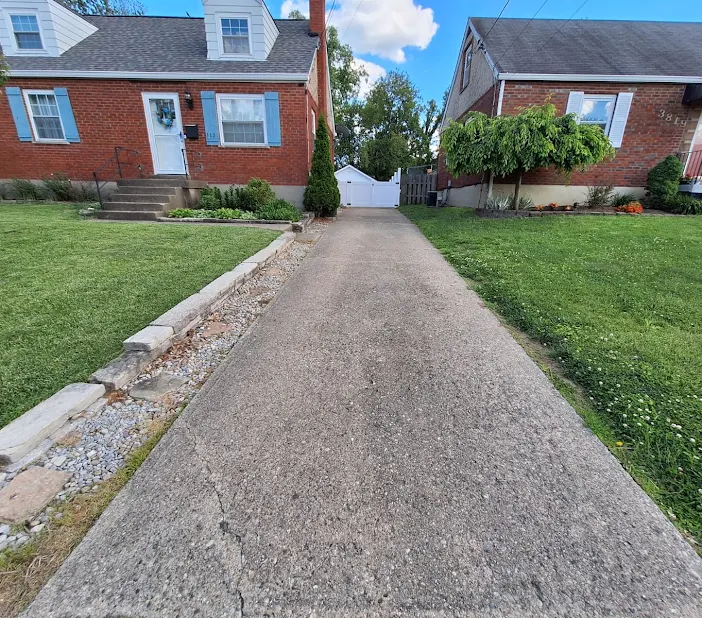
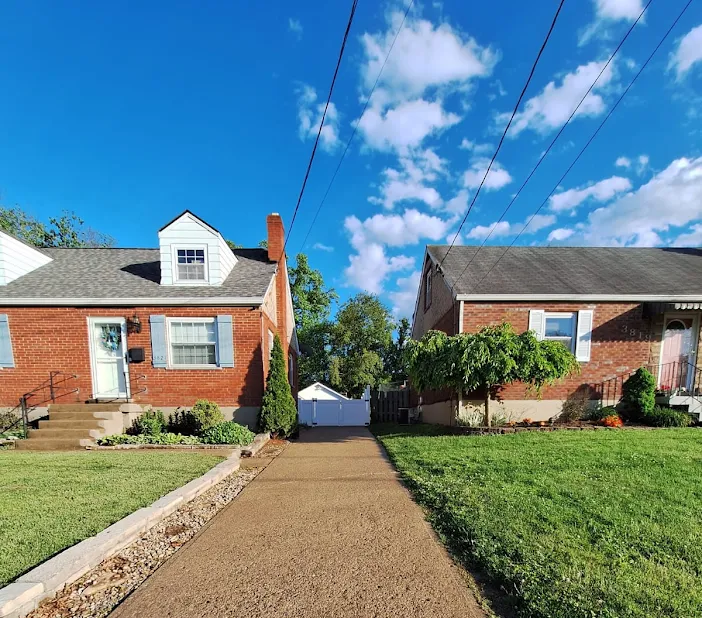
"Jason did great work on our home's driveway and front walkway. I didn't even notice just how dark some spots had gotten, especially our front steps, until he pressure washed them. I was amazed at the before and after! They look so much better now!"

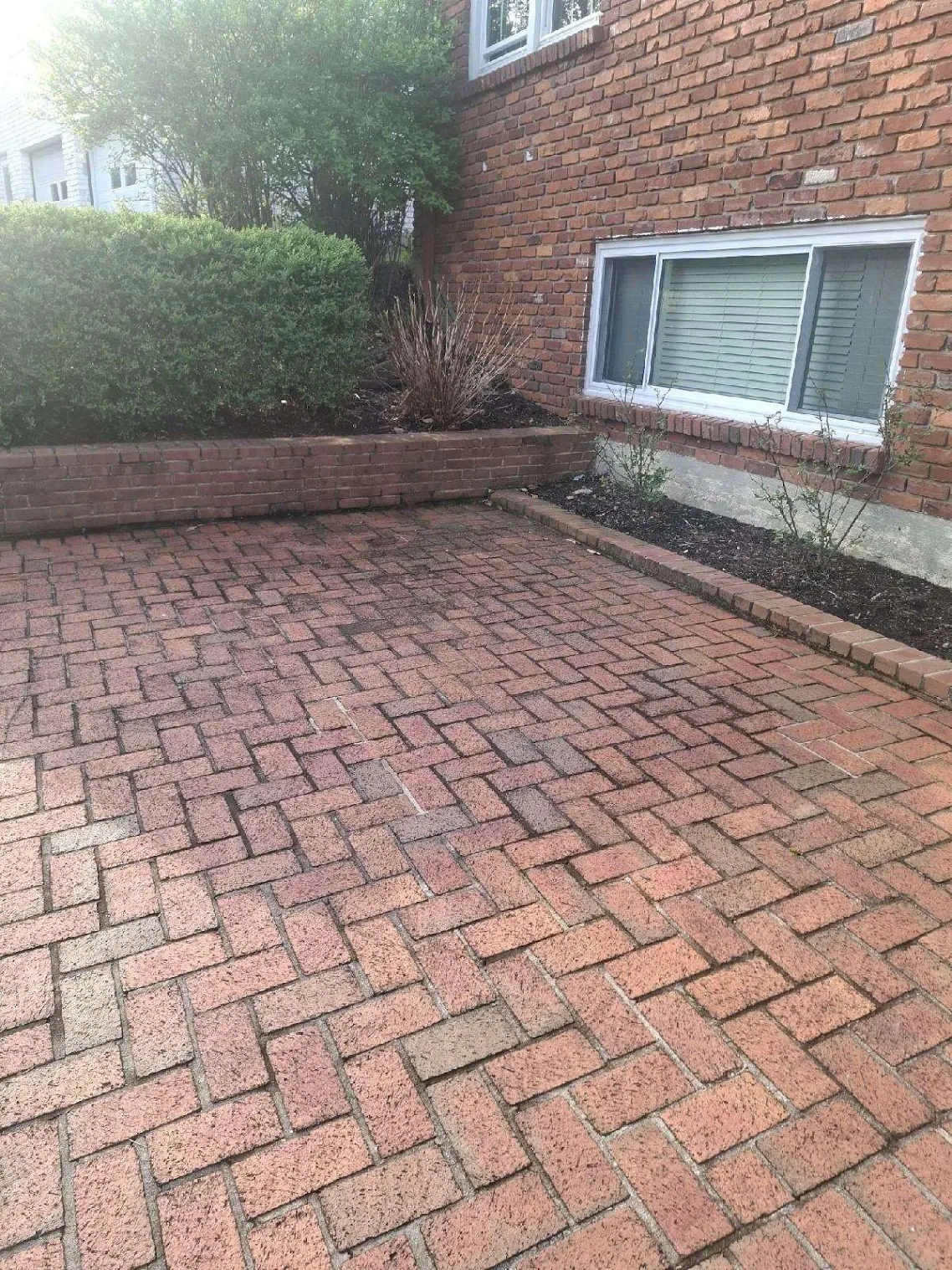
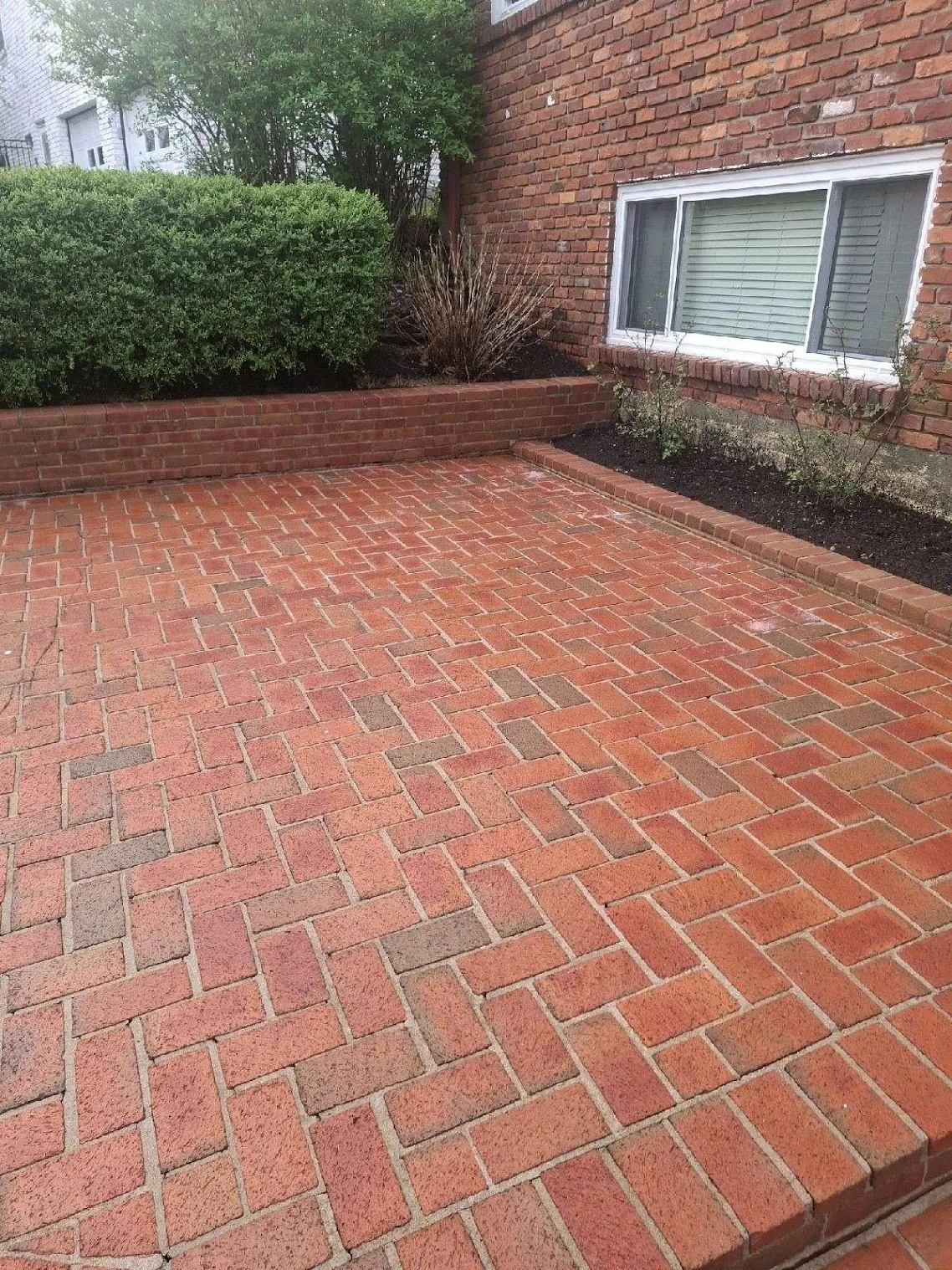
"Jason replied promptly with a competitive estimate immediately after I reached out to him. He was able to fit me in his schedule the next day. He did a great job cleaning the dirt and algae off my brick patio. I will reach out to him with future needs and highly recommend him."

"Jason did a great job with the pressure washing of my house. He first contacted me about a month ago. (I think I had clicked Angi's List or something similar.) But anyway, when he first called me, I told him I work in taxation and would not have time to think about projects until after tax season was over, and to call me after April 17. And... unlike just about every other service provider - who would call me daily... Jason called me on April 18. And we went back and forth for a few days - mostly me asking questions... until we agreed he would pressure wash the house, patio, and driveway. And then he was available within that week! And stayed a bit longer to be sure everything was done right. Plus... he's the OWNER and started the business himself - not just someone who bought a franchise. (which is important to me - I like to support local business, even more so if it's an entrepreneur and not a franchisee.) And every time I pull into my driveway, I smile"

"We had a great experience with Jason at Clear Exterior! Scheduling was easy, and he did a thorough and professional job at an affordable price. He got our siding and our concrete looking fresh again. Highly recommended if you need some pressure washing done!"
We help homeowners across the Cincinnati area keep exterior surfaces clean, safe, and well maintained.
Service Area Map
Based in Cincinnati, we serve homeowners across Cincinnati and nearby communities.
Madeira
Loveland
Mason
West Chester
Liberty Township
Hyde Park
Pleasant Ridge
Sharonville
Milford
Batavia