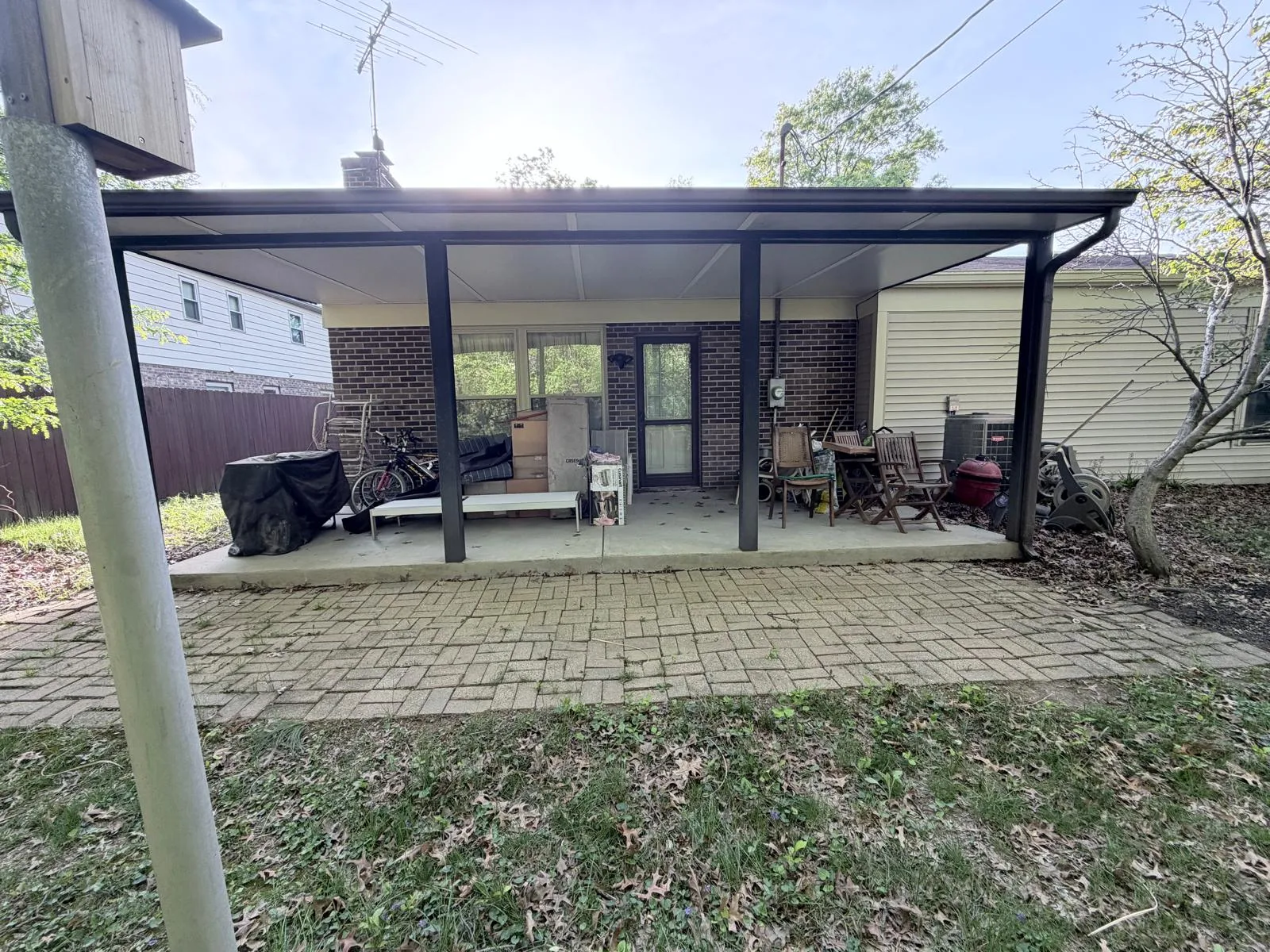
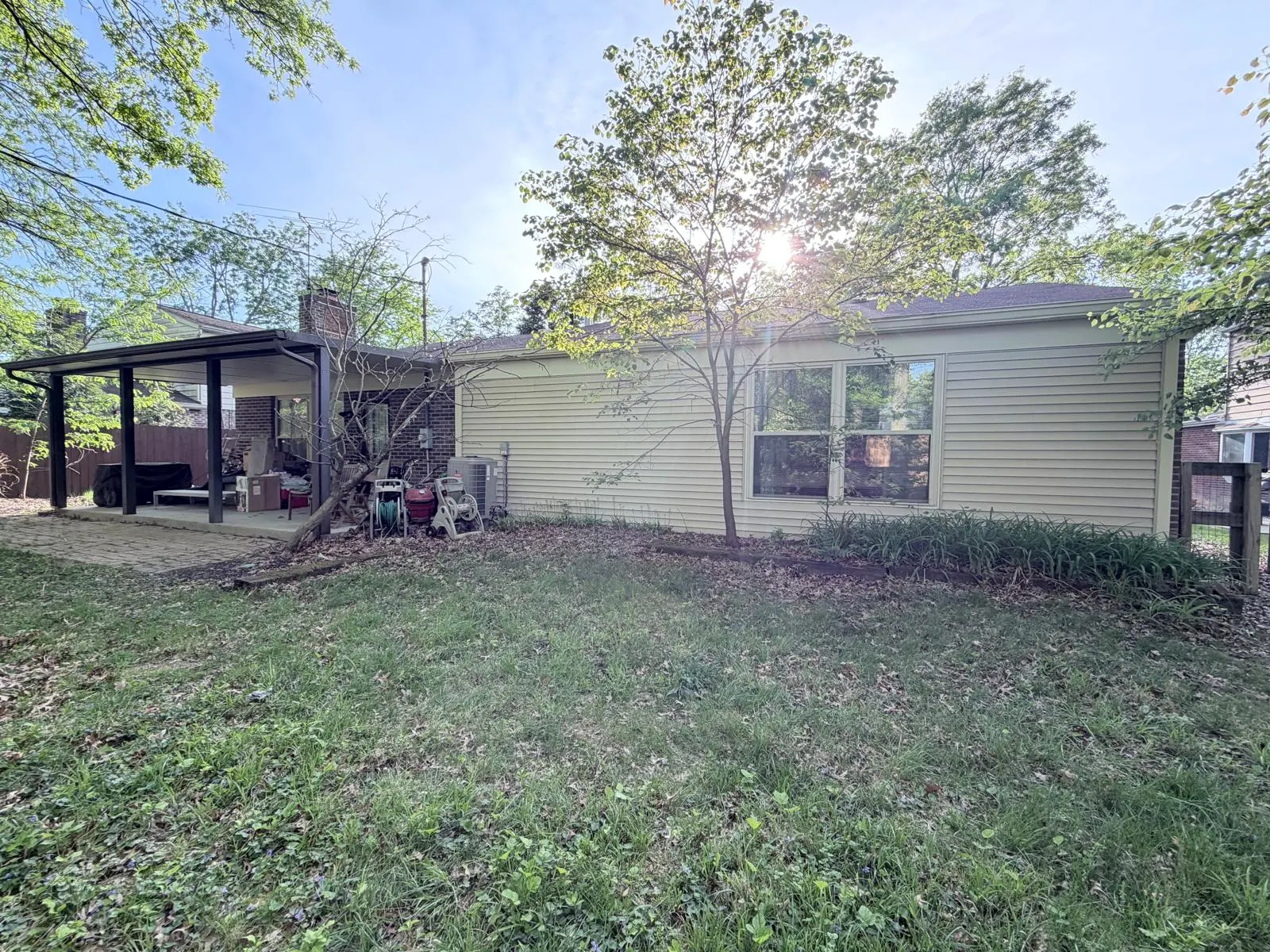
Step 1
Clean And Strip Failing Finish
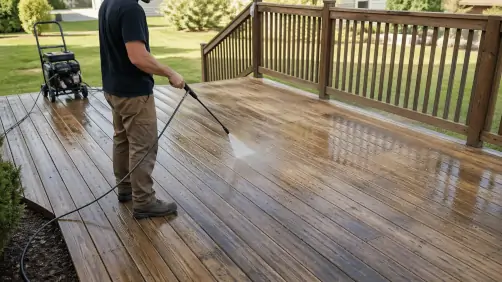
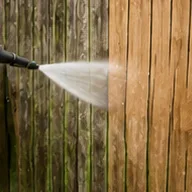
The wood is washed to remove algae, mildew, grey surface fiber, and any peeling finish that would stop new stain from bonding.
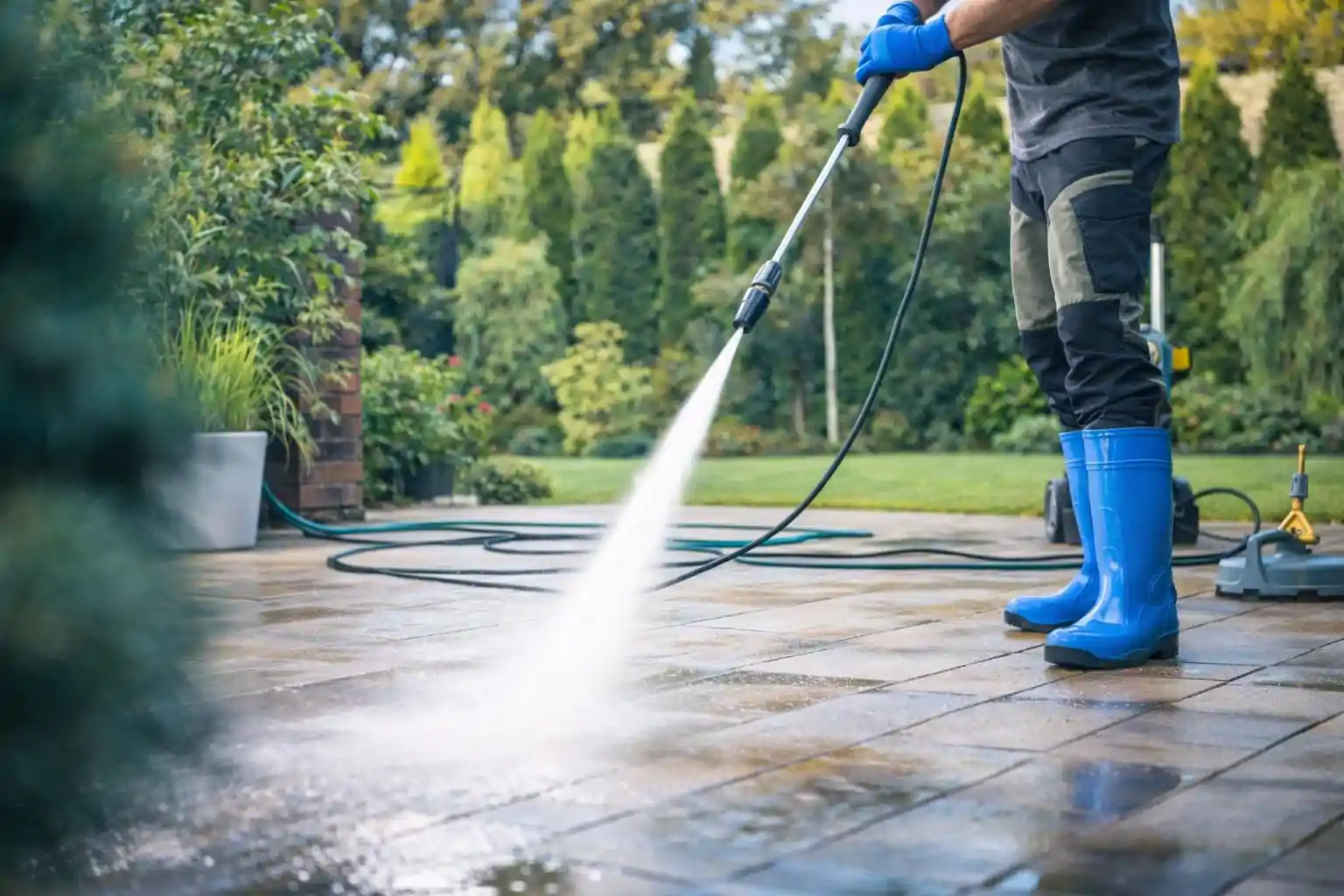
On older wood the prep decides everything. Clean it, brighten it, dry it properly, and the stain soaks in. Skip a step and it peels off by next summer.
Learn More About This ServiceWood on a Montgomery property tends to be older than the wood on a new build, and older wood takes finish differently. Years of weathering, previous coats, and shaded damp conditions leave boards that will not accept stain evenly unless they are properly cleaned and reopened first. This is why so many refinishing jobs here fail early: the product was fine, the surface was not ready.
Shade is the complicating factor. Under Montgomery's street canopy, decks and covered porch floors stay damp far longer than an open deck in full sun. Wood that feels dry on the surface can still hold enough moisture underneath to prevent penetration, so the drying window before staining has to be judged rather than assumed from the calendar.
We clean, brighten, and wait for the wood to be genuinely ready, then stain and seal. Done in that order the finish penetrates, the color stays even across boards of differing age, and the sealed surface sheds water rather than absorbing it, which is what buys years rather than a season.
Aged wood with previous finish needs cleaning and brightening before stain will penetrate. That prep is most of the work and all of the durability.
Covered porch floors, steps, turned railings, and balusters all weather differently from open decking and are often overdue.
A sealed surface sheds water rather than holding it, which slows the cupping, cracking, and rot that shaded wood is prone to.
Where boards have been replaced over the years, proper prep is what lets stain land evenly rather than blotching on the newer pieces.
Step 1
The wood is washed to remove algae, mildew, grey surface fiber, and any peeling finish that would stop new stain from bonding.
Step 2
A wood brightener neutralizes the cleaner, restores the natural tone, and reopens the grain so stain can soak in.
Step 3
Shaded decks and covered porches take longer to dry than open wood. We stain when the boards are ready rather than on a fixed schedule.
Step 4
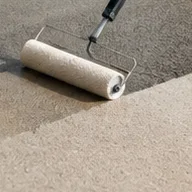
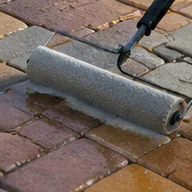
Stain is applied evenly and worked into the wood, then sealed so both the color and the water protection hold.
My deck has boards of different ages. Will the stain look uneven?
Not with proper prep. Newer boards are denser and absorb less, which is exactly what causes blotching when someone stains over unprepped wood. Cleaning and brightening evens out how the boards accept the finish.
Can you stain a covered porch floor?
Yes, though it needs the right product. Covered porch floors see almost no direct sun but stay damp, so mildew resistance matters more than UV protection there.
What if the old finish is peeling badly?
It has to come off before new stain goes on. Staining over a failing finish means the new coat fails along with the old one. Stripping is extra work but it is the difference between a job that lasts and one that does not.
How long before the deck can be used again?
It depends on the product and the weather, but plan on keeping furniture and traffic off it while the finish cures. We will give you a specific timeframe when we finish, and under heavy shade it is usually a little longer.
We also offer deck staining & sealing in nearby communities. Choose another area below.

"I am happy to recommend Clear Exterior. Jason was prompt in communication, reasonable in price and the before and after pictures tell the story. While I hope not to have as much dirt and moss on my walkway and roof, I will be calling Jason."

"Jason did a great job. He and his wife work well together. During the walk around, he offered to redo a few areas where the dirt was not removed completely to ensure that I was satisfied. Good luck, Jason and Clear Exterior! Wishing you a successful future!"

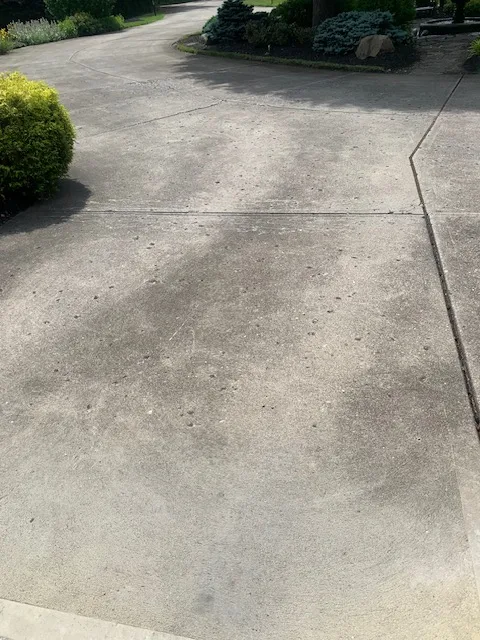
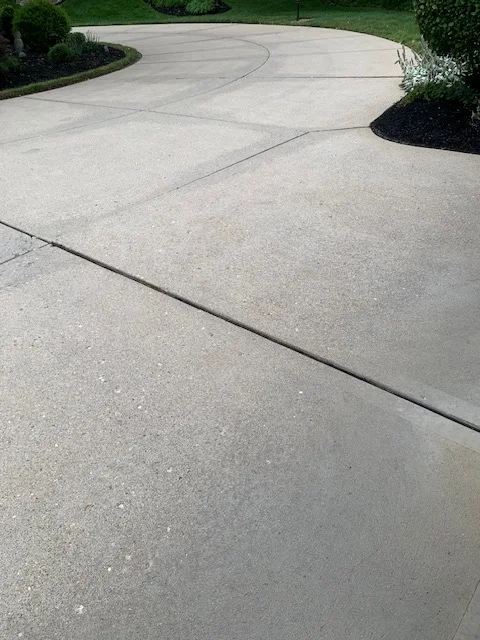
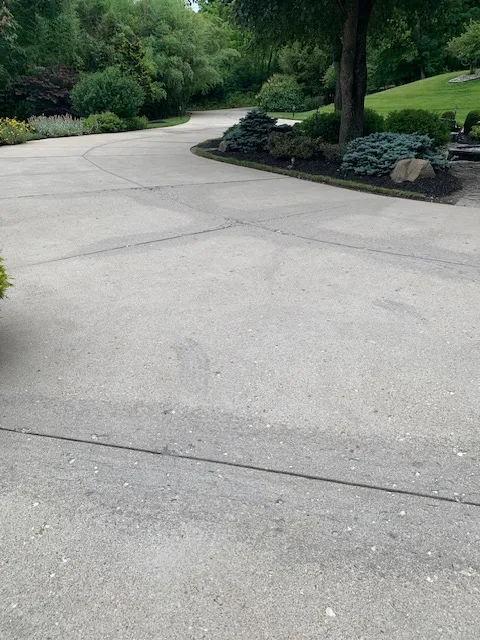
"Jason did great work on our home's driveway and front walkway. I didn't even notice just how dark some spots had gotten, especially our front steps, until he pressure washed them. I was amazed at the before and after! They look so much better now!"
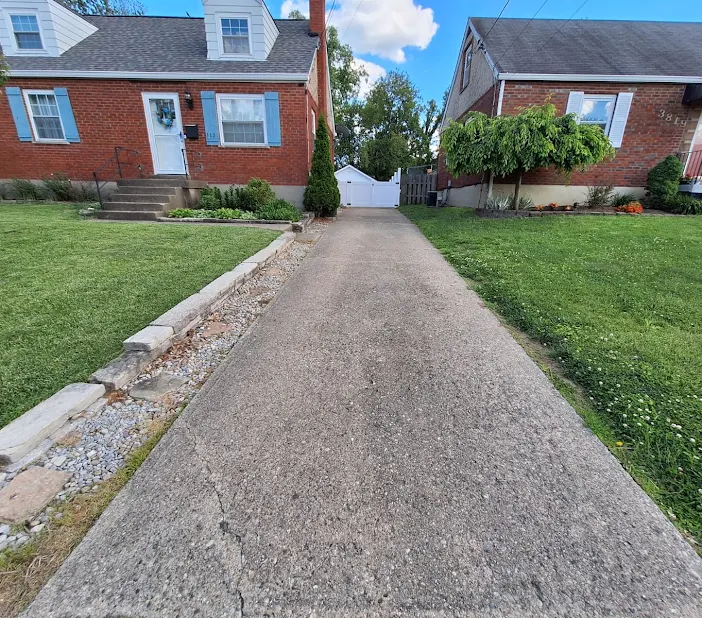
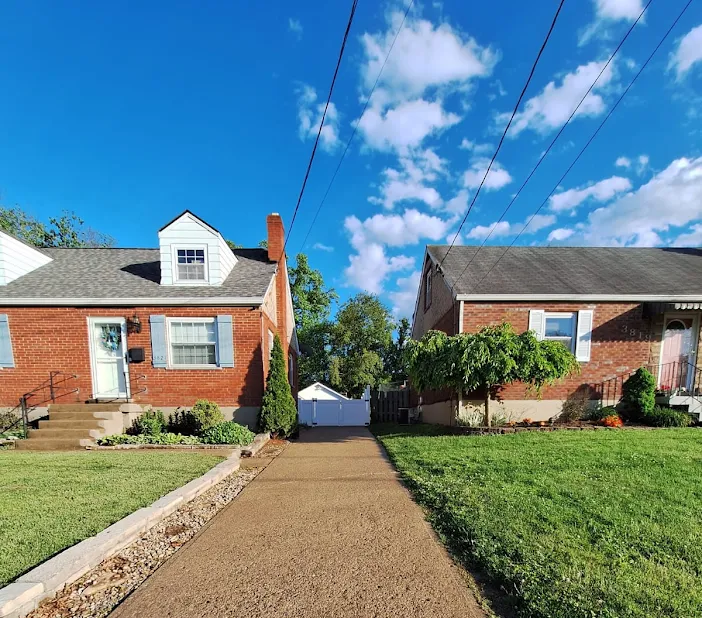

"Jason replied promptly with a competitive estimate immediately after I reached out to him. He was able to fit me in his schedule the next day. He did a great job cleaning the dirt and algae off my brick patio. I will reach out to him with future needs and highly recommend him."
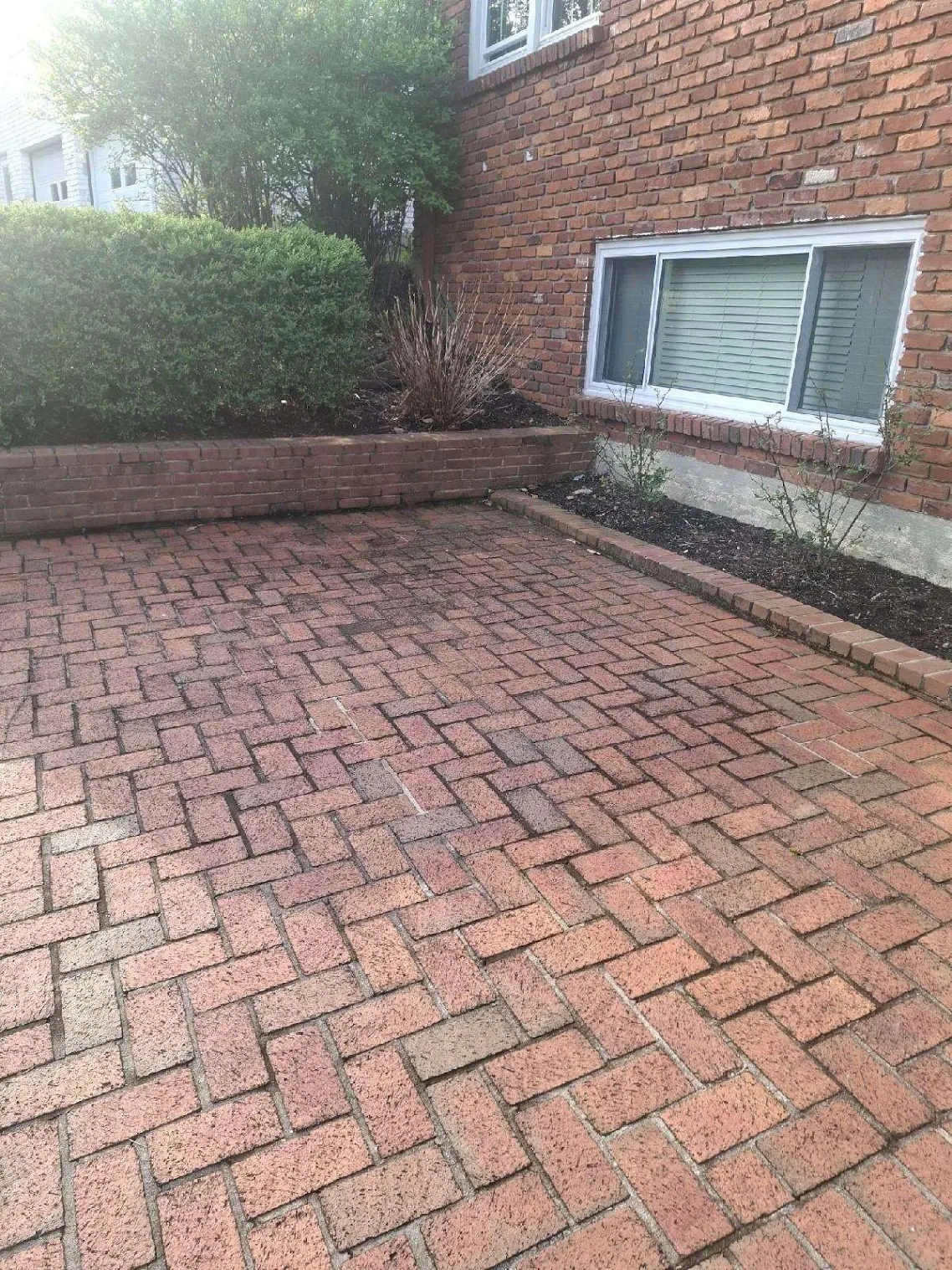
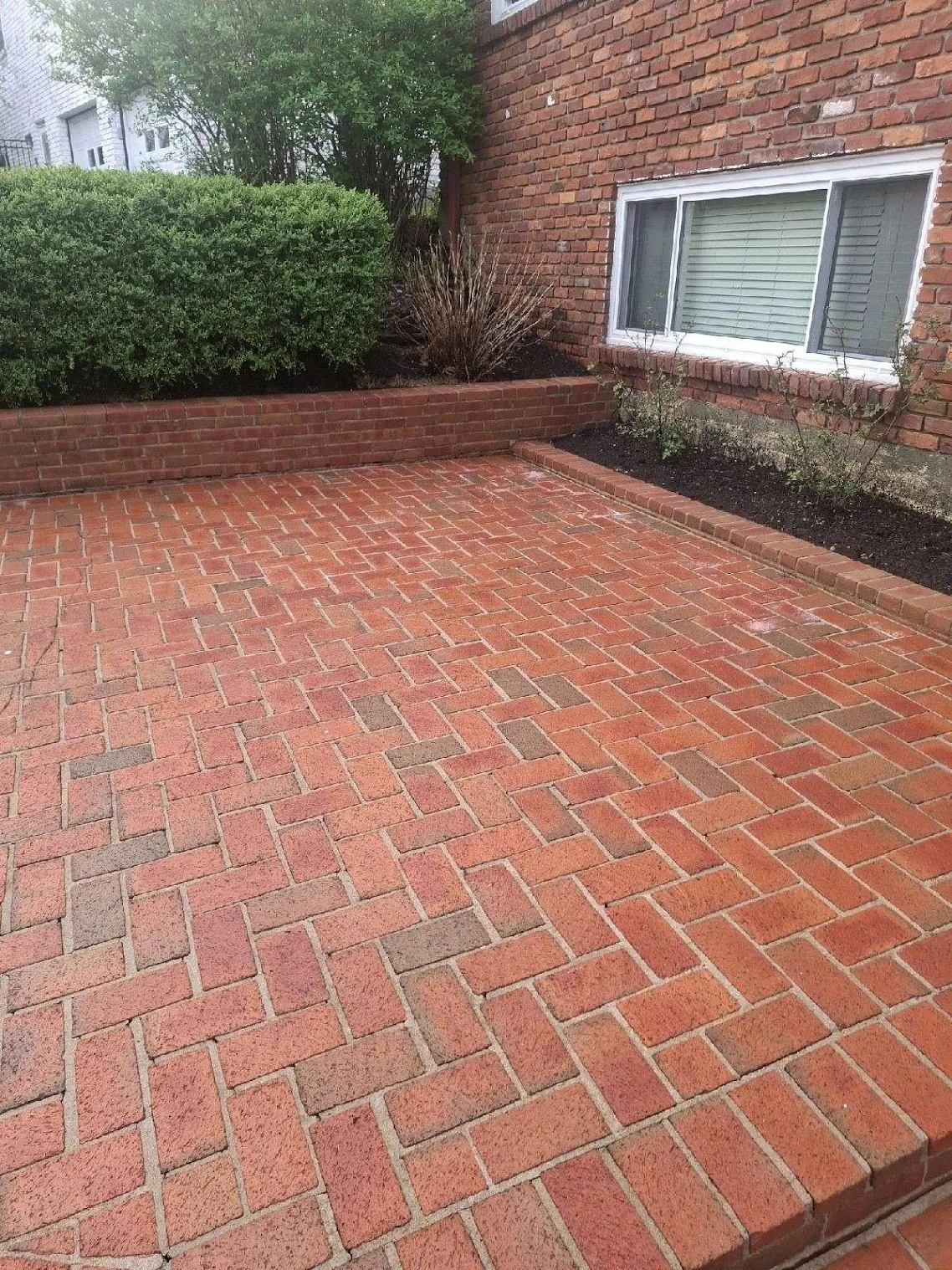

"Jason did a great job with the pressure washing of my house. He first contacted me about a month ago. (I think I had clicked Angi's List or something similar.) But anyway, when he first called me, I told him I work in taxation and would not have time to think about projects until after tax season was over, and to call me after April 17. And... unlike just about every other service provider - who would call me daily... Jason called me on April 18. And we went back and forth for a few days - mostly me asking questions... until we agreed he would pressure wash the house, patio, and driveway. And then he was available within that week! And stayed a bit longer to be sure everything was done right. Plus... he's the OWNER and started the business himself - not just someone who bought a franchise. (which is important to me - I like to support local business, even more so if it's an entrepreneur and not a franchisee.) And every time I pull into my driveway, I smile"

"We had a great experience with Jason at Clear Exterior! Scheduling was easy, and he did a thorough and professional job at an affordable price. He got our siding and our concrete looking fresh again. Highly recommended if you need some pressure washing done!"
We help homeowners across the Cincinnati area keep exterior surfaces clean, safe, and well maintained.
Service Area Map
Based in Cincinnati, we serve homeowners across Cincinnati and nearby communities.
West Chester
Liberty Township
Hyde Park
Pleasant Ridge
Sharonville
Milford
Batavia