Step 1
Assess Wood, Finish, And Exposure
 Step 1
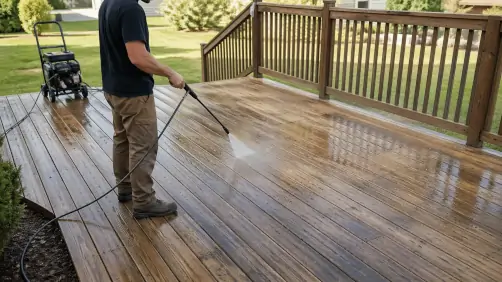
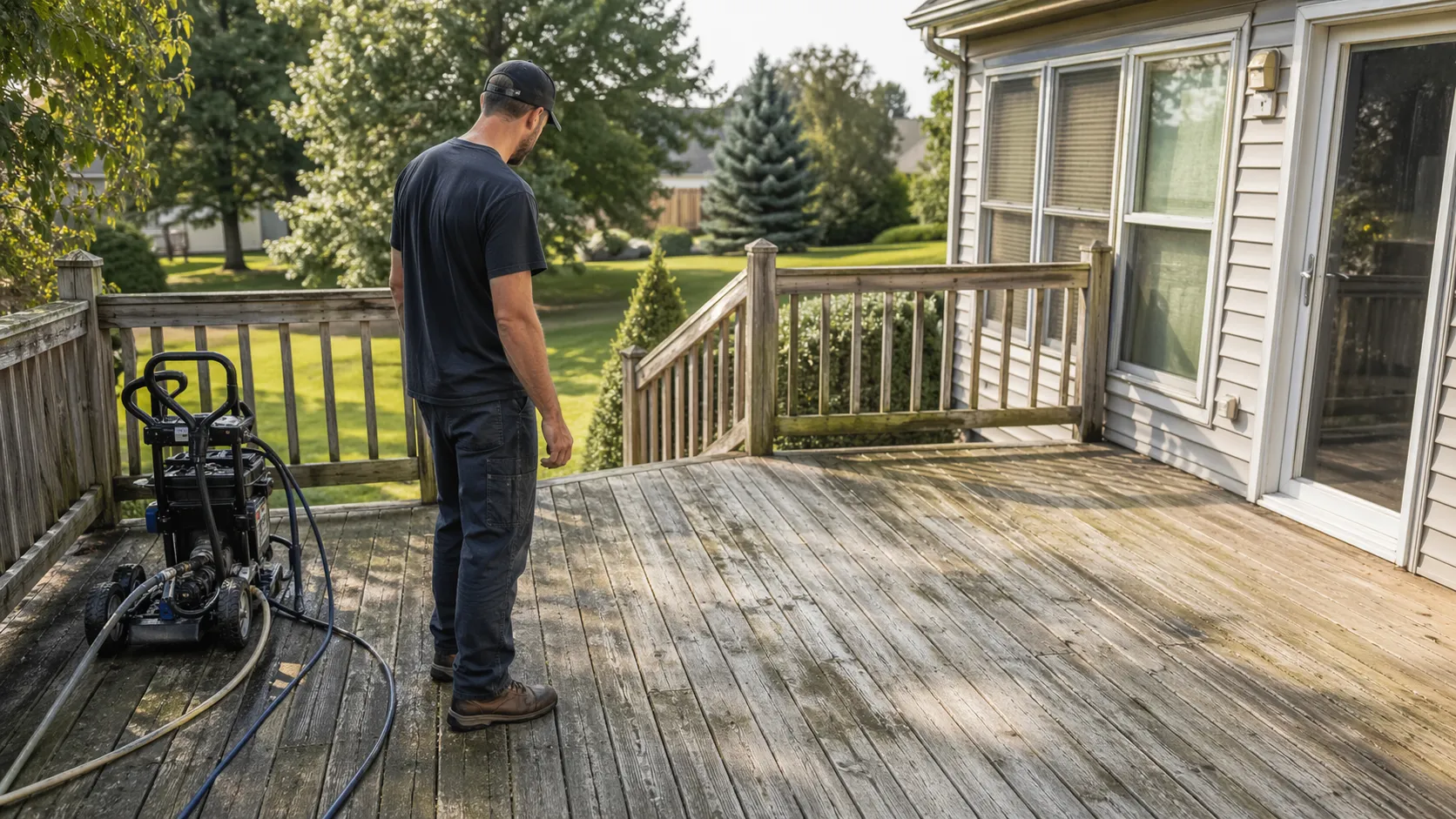
We check board condition, identify the existing finish, and note which surfaces take the most sun so they can be treated accordingly.
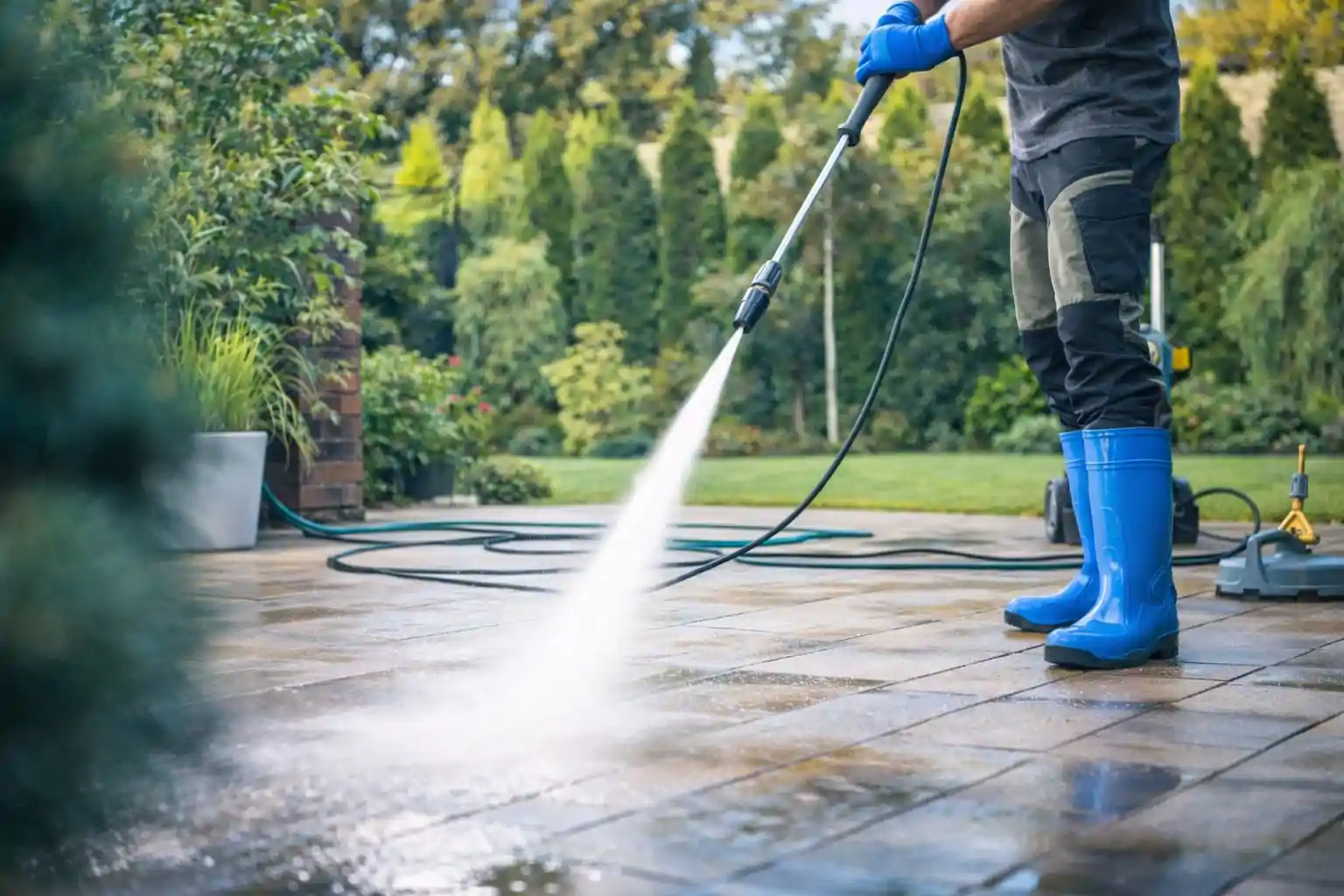
On an open lot the sun is what kills the finish. Pigment is what stands up to it, and where you put it matters as much as what you buy.
Learn More About This ServiceDeck finishes on Mason properties fail from ultraviolet light more than from anything else. With limited mature canopy over these neighborhoods, a deck off the back of a two-story home takes direct sun most of the day through the summer. UV breaks down the binders in the finish and attacks the lignin in the wood underneath, which is the process that turns unprotected decking silver-grey. It is a different failure mode from the peeling you see on damp shaded decks, and it calls for different choices.
Pigment is the practical defense. The more pigment a stain carries, the more UV it blocks, which is why a clear sealer on a fully exposed deck can look excellent for one season and be visibly gone by the next. A semi-transparent stain with real pigment holds up considerably longer in these conditions while still letting the grain show. It is a genuine trade between how much wood you want to see and how often you want to be doing this again, and it is worth deciding deliberately.
Exposure is not uniform and the finish schedule should reflect that. Rails, top caps, and stair treads are horizontal and fully exposed, so they take far more UV than vertical skirting or the sheltered area near the house. Those surfaces fail first, and they are also the ones people touch and look at most closely. On a large Mason deck it often makes sense to refresh the high-exposure surfaces on a shorter cycle rather than waiting for everything to need doing at once.
Pigmented stains block the ultraviolet light that actually destroys finishes on an open lot. Clear sealers do very little out there.
UV breaks down the wood itself, not just the coating. A proper stain is what keeps decking from greying and turning fibrous.
Rails, caps, and stair treads take the most sun and fail first. They get the attention they need rather than one uniform pass.
Preparation evens out boards that faded at different rates, so new stain lands on a consistent surface instead of showing the patchwork.
Step 1
Step 1
We check board condition, identify the existing finish, and note which surfaces take the most sun so they can be treated accordingly.
Step 2
 Step 2
Failed finish is removed and the deck is cleaned at a safe pressure without furring the grain.
Should I use a clear sealer to keep the natural wood look?
On a fully exposed Mason deck we would generally advise against it. Clear finishes carry no pigment, and pigment is what blocks UV, so a clear sealer on a sunny deck can look great for a season and then be effectively gone. A light semi-transparent keeps most of the grain with far better protection.
Why do my railings look worse than my deck boards?
They take more direct sun. Rails and top caps are fully exposed horizontal surfaces with nothing shading them, so UV hits them hardest. It is the most common pattern on open lots, and those surfaces often justify refinishing on a shorter cycle than the rest.
How often will a deck in full sun need restaining?
Sooner than the product label implies, because labels are not written for a fully exposed deck. Expect a shorter interval than a shaded deck, with rails and steps wanting attention before the field of the deck does.
How much does deck staining cost in Mason?
Square footage matters, but whether old finish needs stripping moves it more, and large decks here have a lot of rail and stair. Estimates are free and we will tell you which category yours is in before quoting.
My deck greyed out in two years. Was it stained wrong?
Possibly, but more often it was under-protected for the exposure, typically a clear or very light finish on a deck in full sun. We would look at how it failed, because that determines whether the next one needs stripping or just cleaning.
We also offer deck staining & sealing in nearby communities. Choose another area below.

"I am happy to recommend Clear Exterior. Jason was prompt in communication, reasonable in price and the before and after pictures tell the story. While I hope not to have as much dirt and moss on my walkway and roof, I will be calling Jason."

"Jason did a great job. He and his wife work well together. During the walk around, he offered to redo a few areas where the dirt was not removed completely to ensure that I was satisfied. Good luck, Jason and Clear Exterior! Wishing you a successful future!"

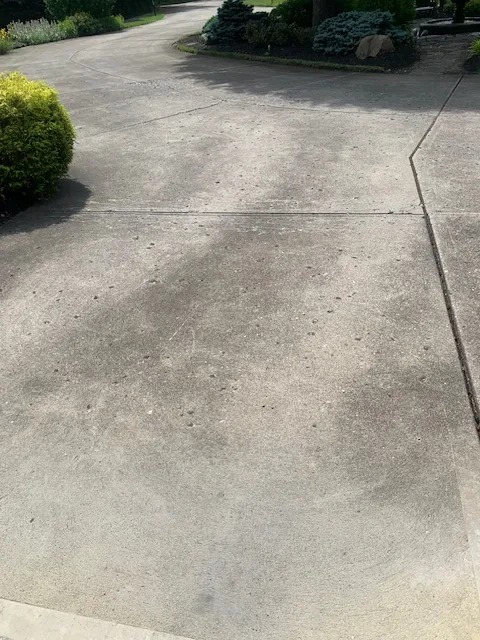
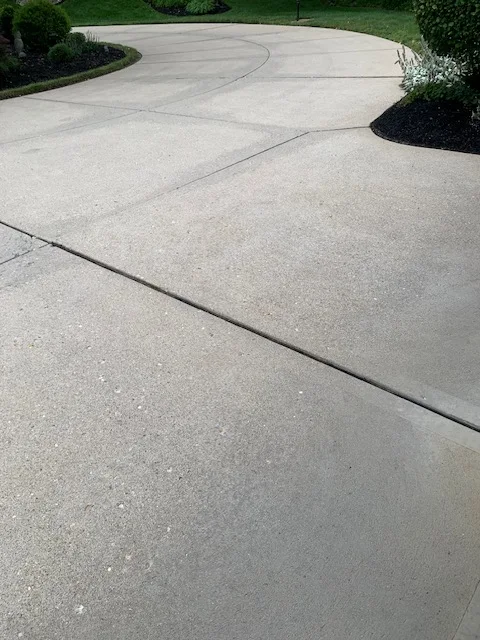
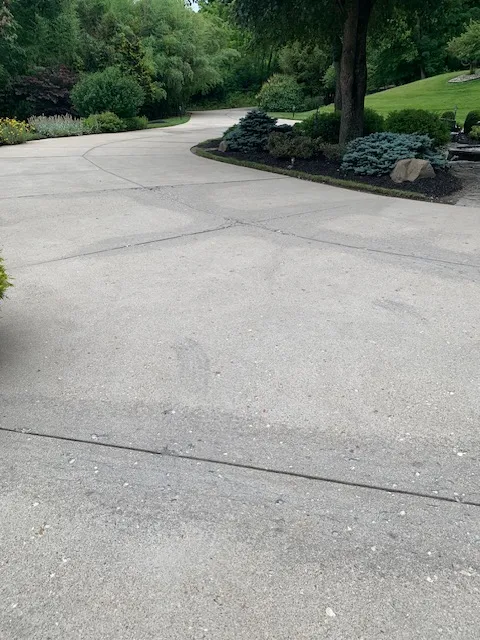
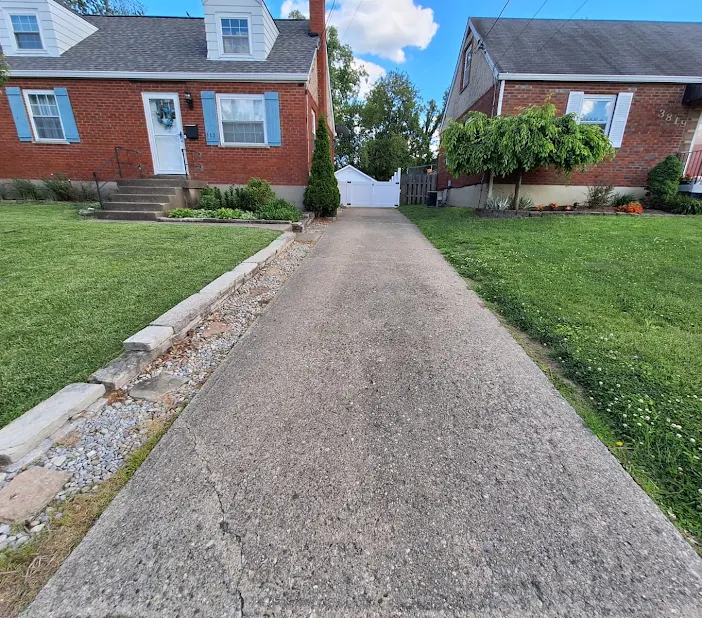
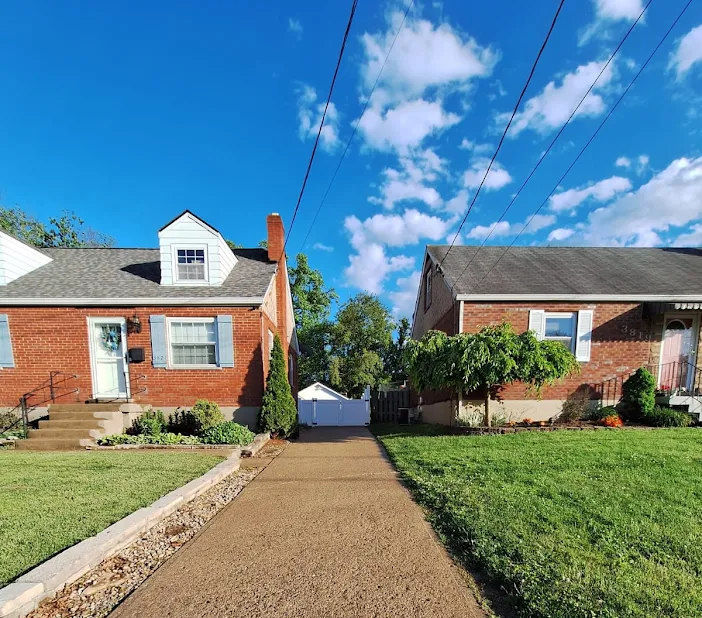
"Jason did great work on our home's driveway and front walkway. I didn't even notice just how dark some spots had gotten, especially our front steps, until he pressure washed them. I was amazed at the before and after! They look so much better now!"

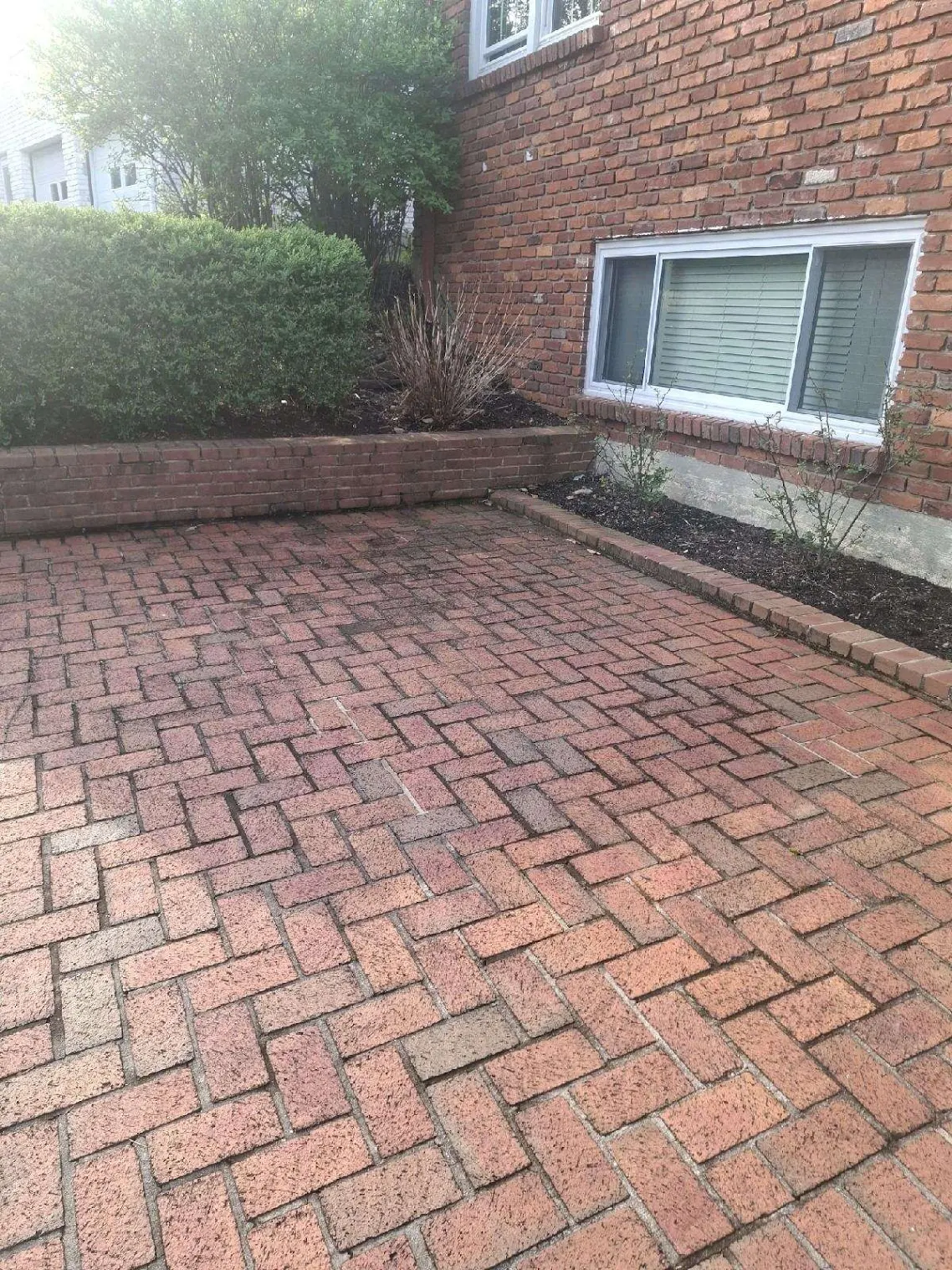
"Jason replied promptly with a competitive estimate immediately after I reached out to him. He was able to fit me in his schedule the next day. He did a great job cleaning the dirt and algae off my brick patio. I will reach out to him with future needs and highly recommend him."
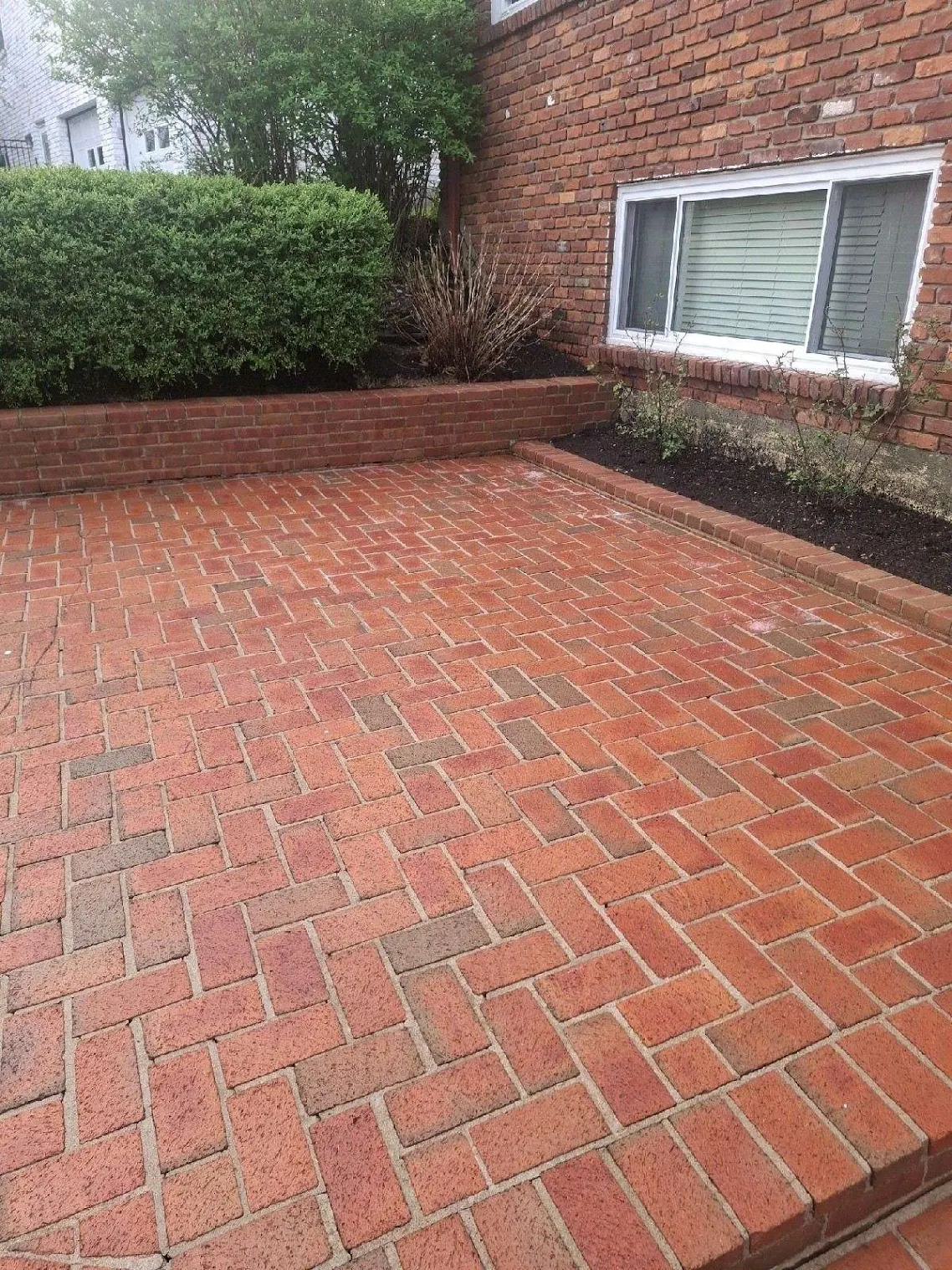

"Jason did a great job with the pressure washing of my house. He first contacted me about a month ago. (I think I had clicked Angi's List or something similar.) But anyway, when he first called me, I told him I work in taxation and would not have time to think about projects until after tax season was over, and to call me after April 17. And... unlike just about every other service provider - who would call me daily... Jason called me on April 18. And we went back and forth for a few days - mostly me asking questions... until we agreed he would pressure wash the house, patio, and driveway. And then he was available within that week! And stayed a bit longer to be sure everything was done right. Plus... he's the OWNER and started the business himself - not just someone who bought a franchise. (which is important to me - I like to support local business, even more so if it's an entrepreneur and not a franchisee.) And every time I pull into my driveway, I smile"

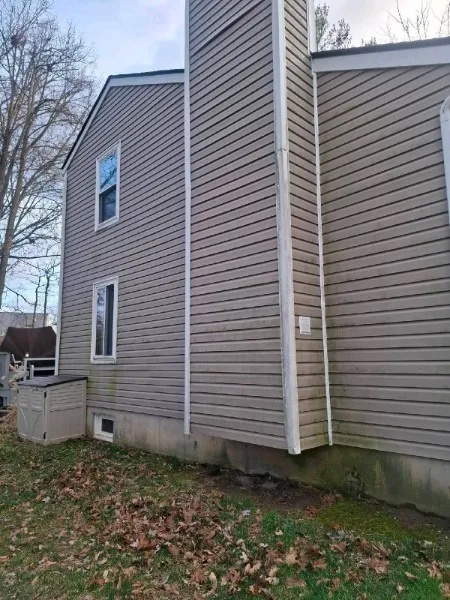
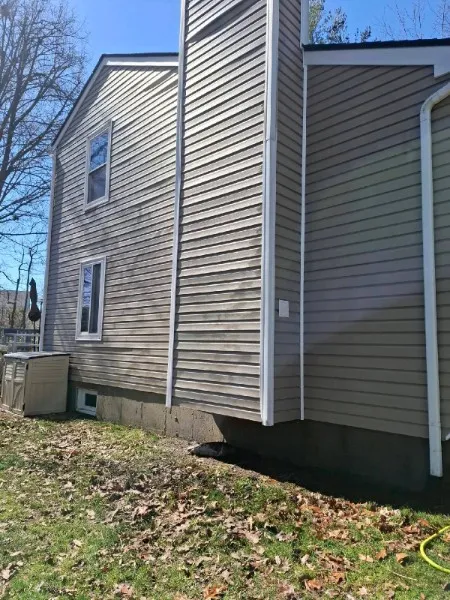
"We had a great experience with Jason at Clear Exterior! Scheduling was easy, and he did a thorough and professional job at an affordable price. He got our siding and our concrete looking fresh again. Highly recommended if you need some pressure washing done!"
We help homeowners across the Cincinnati area keep exterior surfaces clean, safe, and well maintained.
Service Area Map
Based in Cincinnati, we serve homeowners across Cincinnati and nearby communities.
West Chester
Liberty Township
Hyde Park
Pleasant Ridge
Sharonville
Milford
Batavia