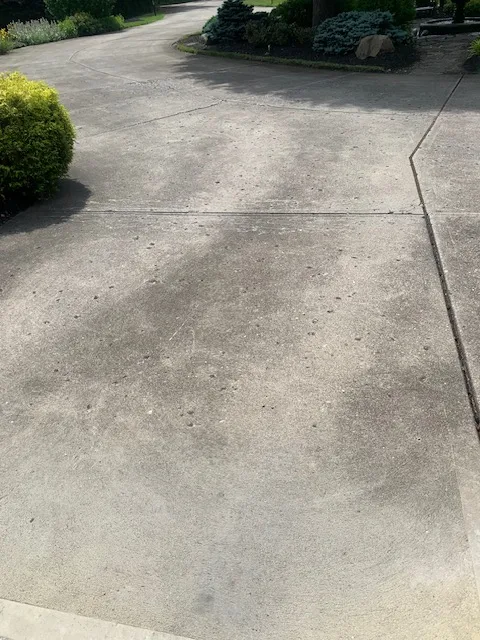
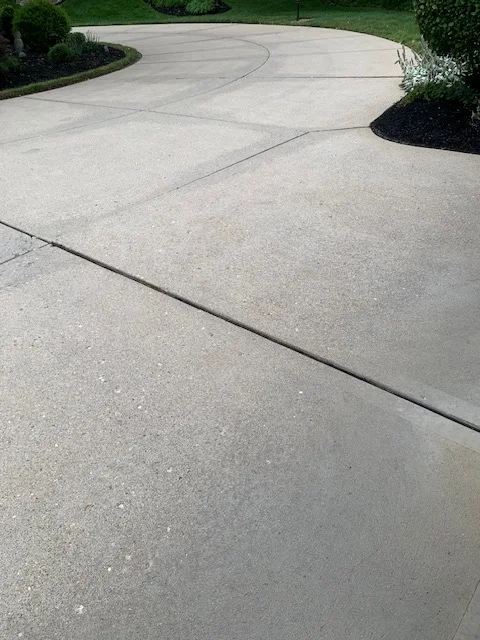
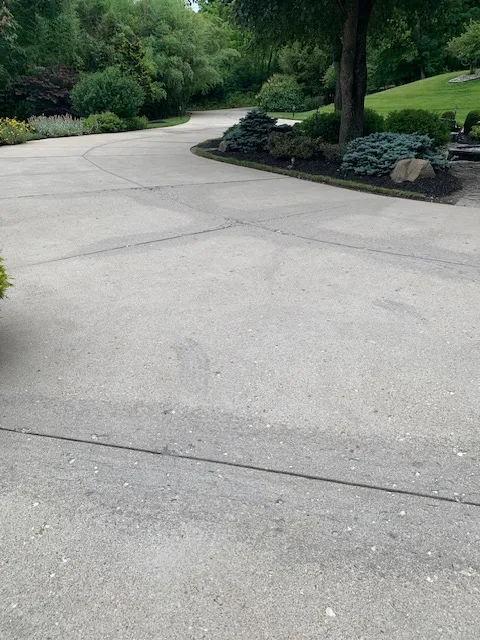
Step 1
Identify The Surface
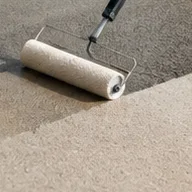
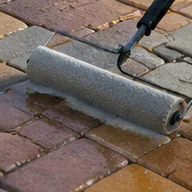
Poured concrete, brick, or pavers all get handled differently. We check the surface and the joint condition before choosing pressure and method.
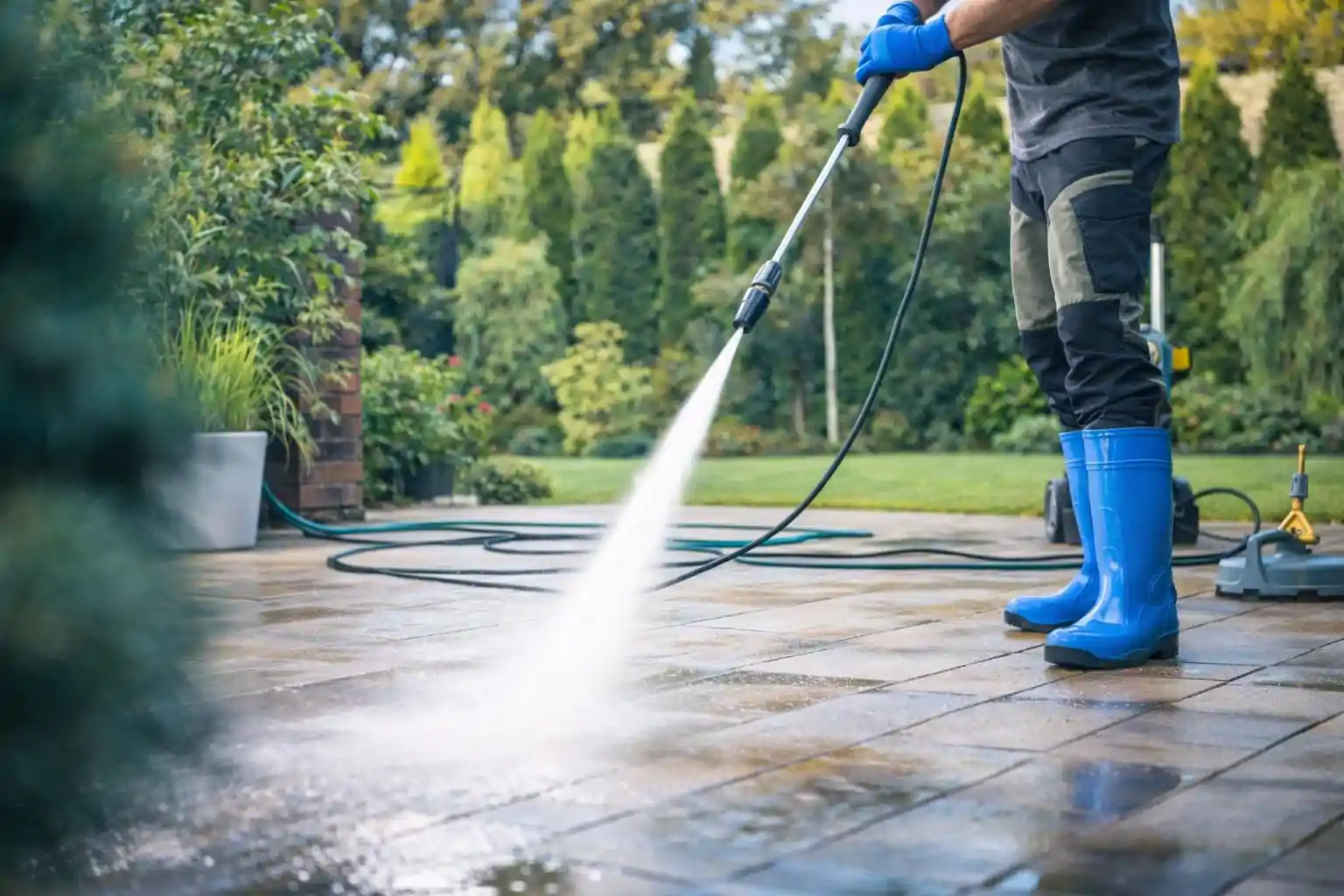
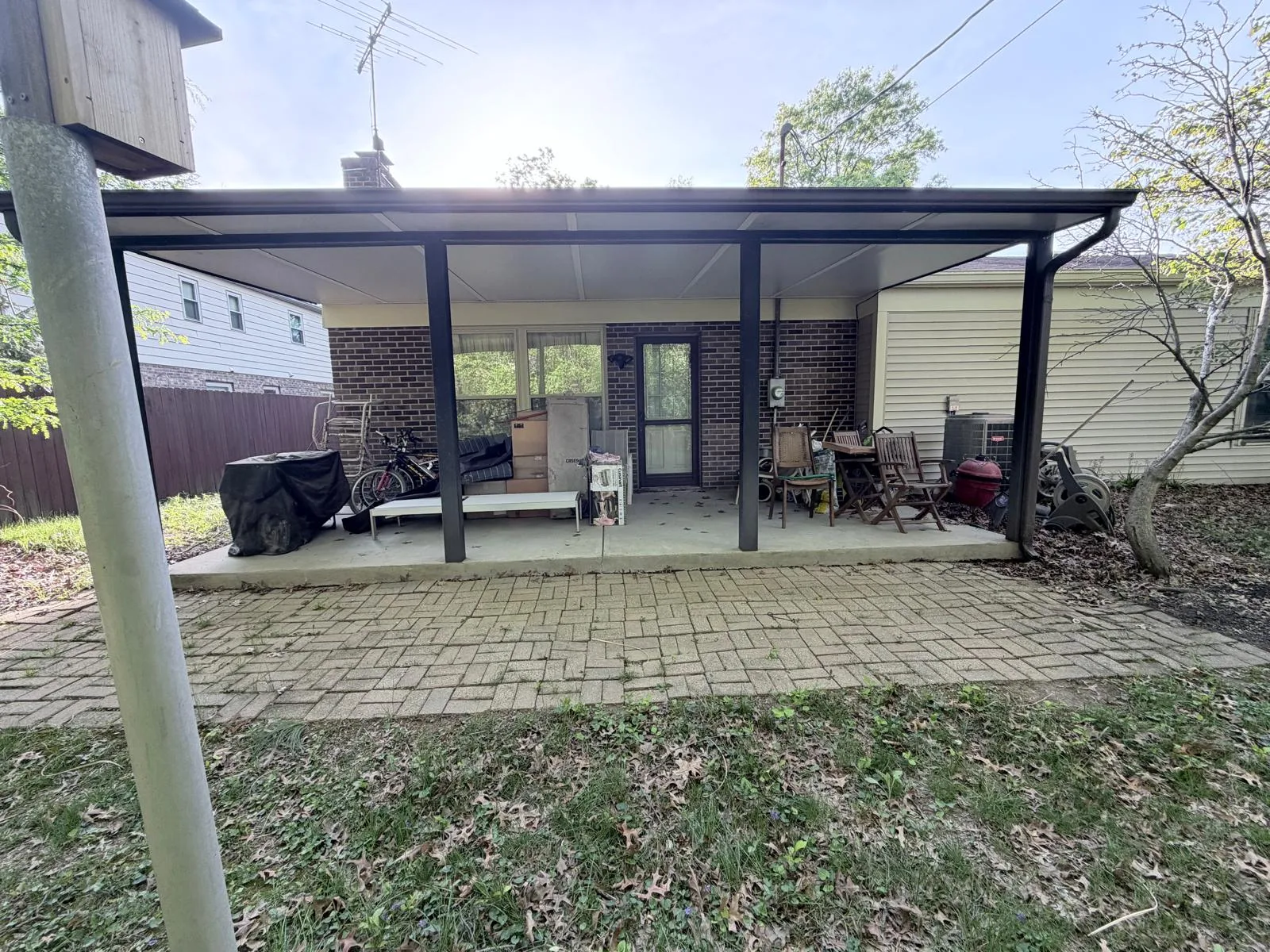
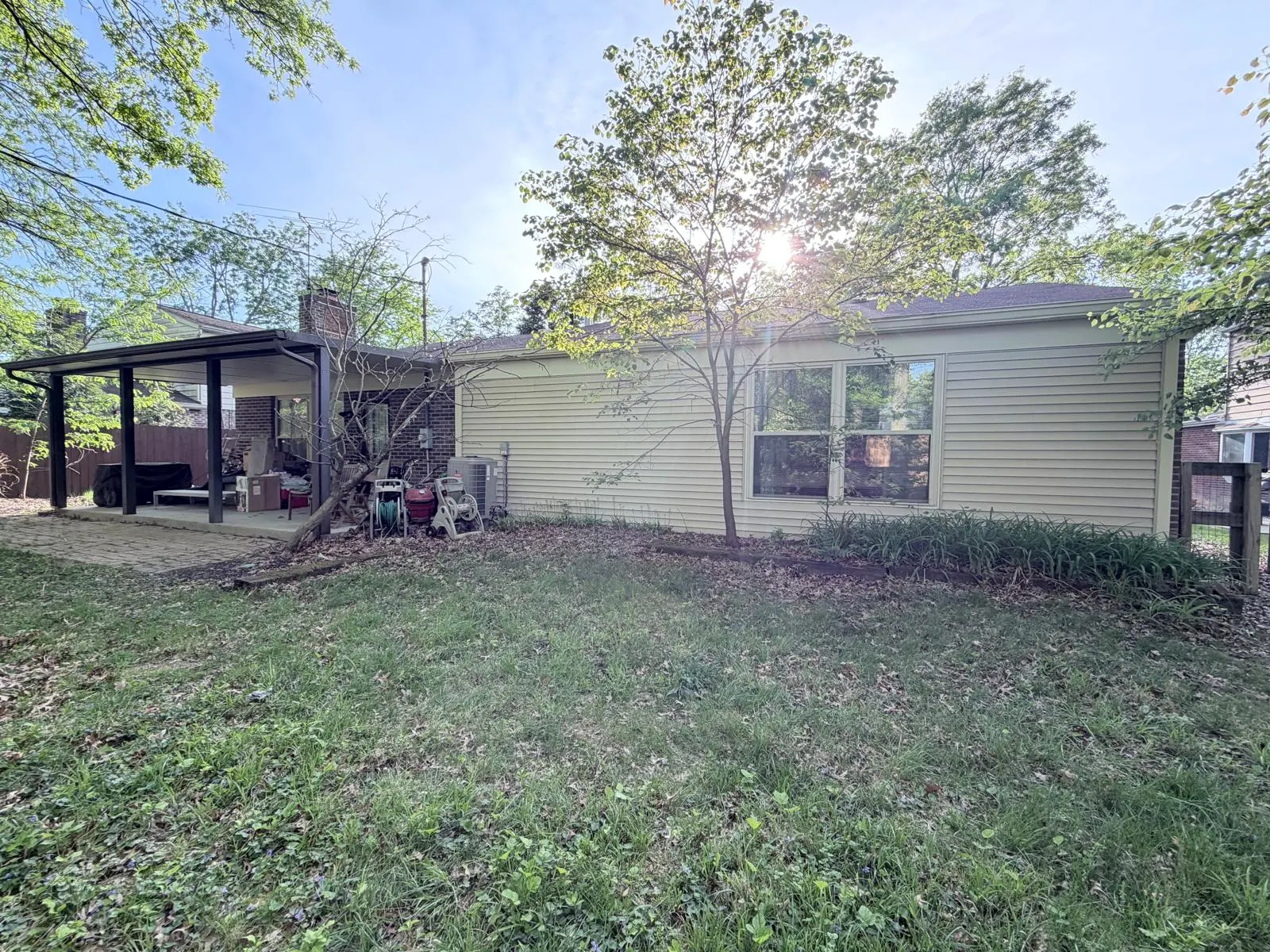
Shaded back patios go slick long before they look dirty. Whether it is a poured slab from 1962 or new pavers off Summit Park, the fix starts with a proper clean.
Learn More About This ServiceBlue Ash has two distinct kinds of hardscape and they need different handling. The original mid-century homes came with poured concrete: back patios off the kitchen, front walks to the door, and side paths to the garage. Sixty years on, those slabs carry organic staining, dark tannin marks under the trees, and a green film across whatever the sun does not reach.
The newer construction, particularly around the Summit Park developments, is mostly paver work. Pavers clean up beautifully but they need a lighter approach, because too much pressure blows the joint sand straight out and leaves you with a clean patio full of empty joints that will start shifting.
Either way, the safety issue is the real one. A shaded patio grows an algae film that is genuinely slippery when wet, and because it builds gradually most homeowners do not register how slick it has become until someone goes down on it.
The green film on a shaded patio is slippery when wet and builds so gradually that people stop noticing it. Clearing it is the main reason to do this work.
On paver patios we clean without stripping the joints out. Blasting pavers clean and leaving the joints empty causes shifting and weed growth.
Dark marks left by leaf litter and branch drip lines on older concrete respond well to pre-treatment before the main pass.
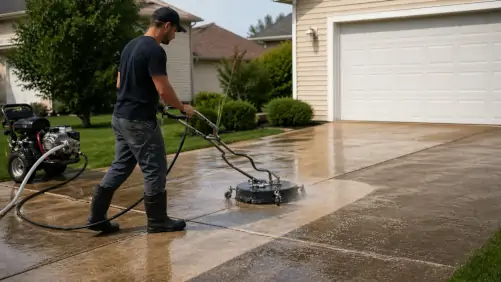
A surface cleaner covers a slab uniformly, so a sixty-year-old patio comes back consistent rather than patchy.
Step 1
Poured concrete, brick, or pavers all get handled differently. We check the surface and the joint condition before choosing pressure and method.
Step 2
Furniture and planters come off, then organic staining, tannin marks, and algae film are pre-treated so they release properly.
Step 3
Concrete gets an even surface-cleaner pass. Pavers are cleaned more gently to protect the joint sand between the stones.
Step 4
Edges and steps are detailed, everything is rinsed down, and on pavers we tell you whether the joints need re-sanding.
Will cleaning my paver patio wash the sand out of the joints?
Not the way we do it, though some loss is normal on any paver cleaning. We clean pavers at a lower pressure than concrete for exactly this reason, and if the joints are already washed out we will recommend re-sanding and sealing.
My back patio is slippery even when it looks fine. Why?
Algae film. It forms a thin, barely visible layer on shaded concrete and is very slick when wet. It is the most common reason homeowners here book patio cleaning, and it clears completely.
Can you clean the walkway and the patio in the same visit?
Yes, and it is usually the sensible way to do it. Front walks, side paths, and back patios all age the same way, and doing them together avoids the odd look of one clean surface next to a dirty one.
Is my newer paver patio too new to need cleaning?
Possibly, but it may be the right time to seal it. New pavers around the Summit Park developments benefit from sealing before the first few winters set salt and organic staining into them.
We also offer patio & walkway cleaning in nearby communities. Choose another area below.

"Jason did great work on our home's driveway and front walkway. I didn't even notice just how dark some spots had gotten, especially our front steps, until he pressure washed them. I was amazed at the before and after! They look so much better now!"
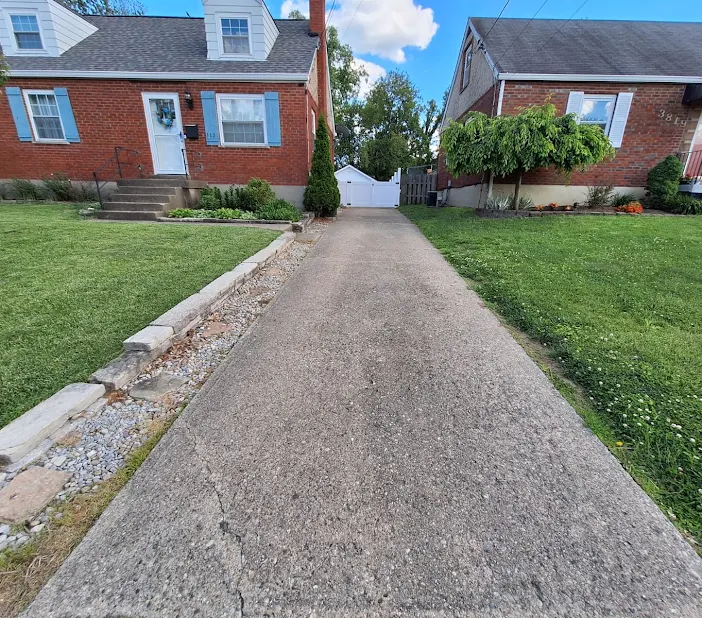
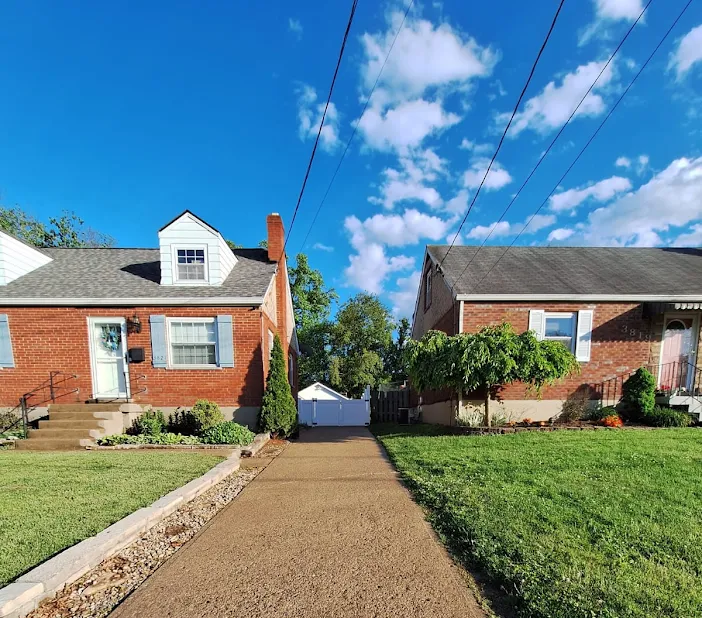

"Jason replied promptly with a competitive estimate immediately after I reached out to him. He was able to fit me in his schedule the next day. He did a great job cleaning the dirt and algae off my brick patio. I will reach out to him with future needs and highly recommend him."
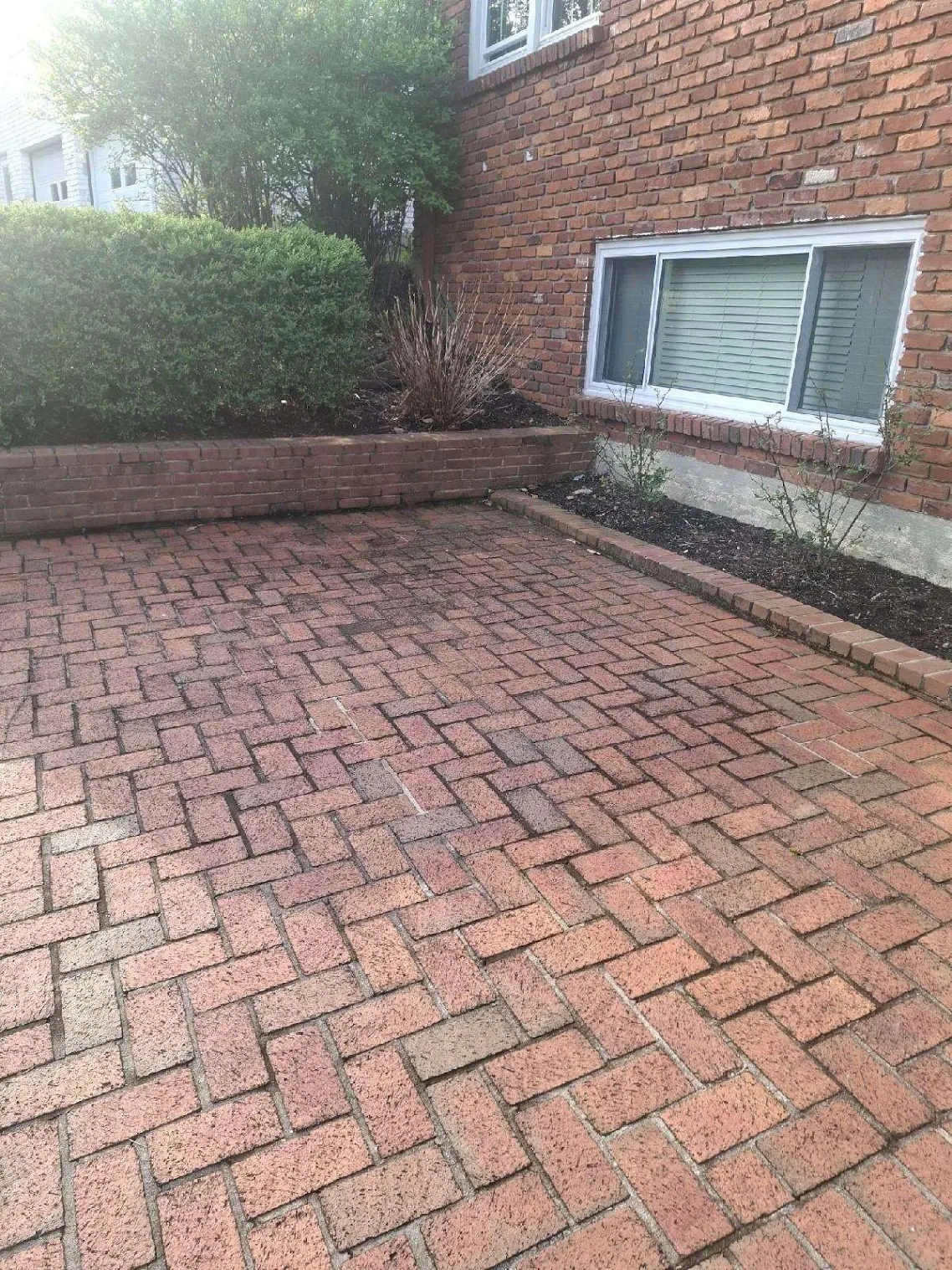
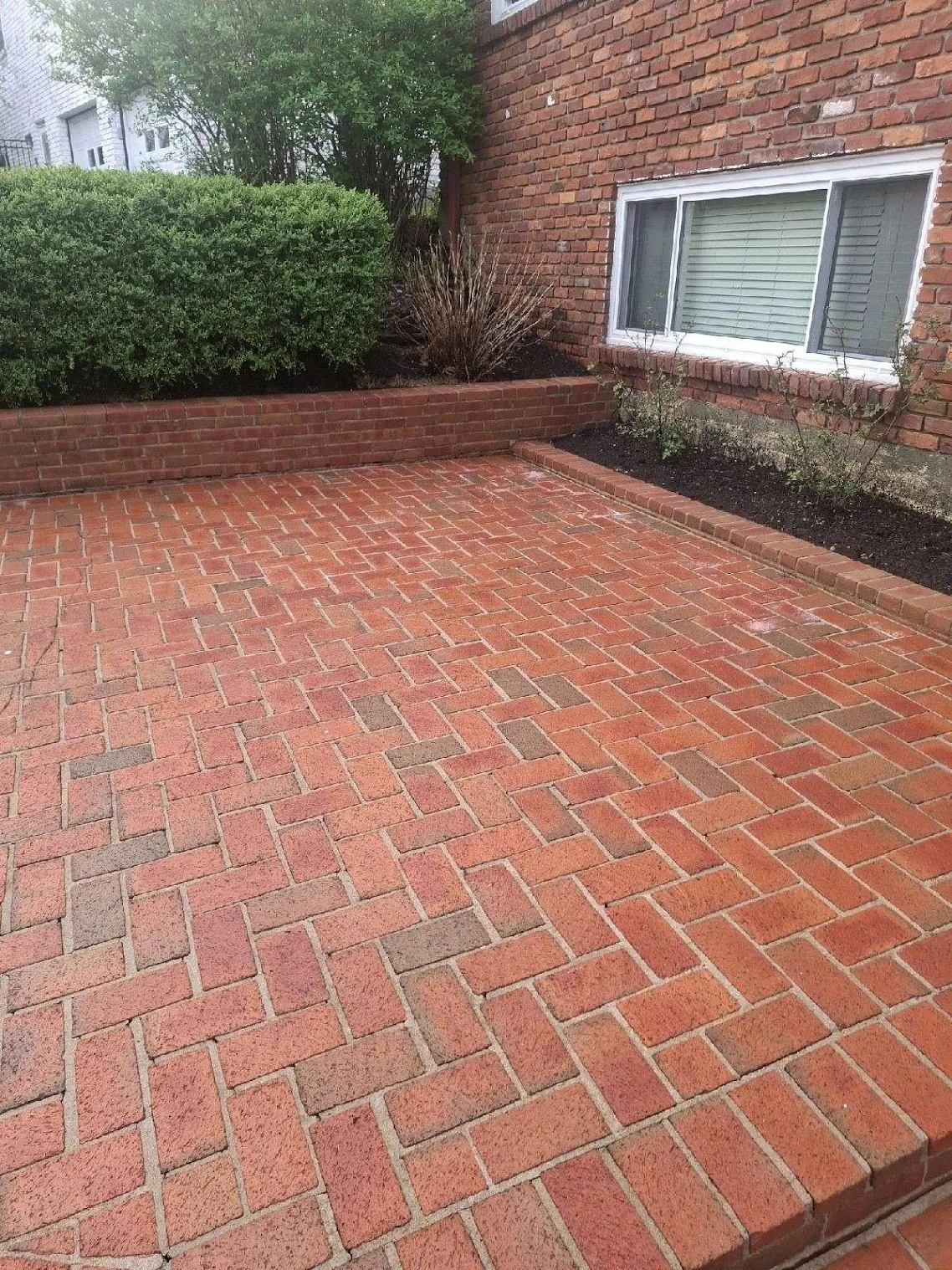

"Jason did a great job with the pressure washing of my house. He first contacted me about a month ago. (I think I had clicked Angi's List or something similar.) But anyway, when he first called me, I told him I work in taxation and would not have time to think about projects until after tax season was over, and to call me after April 17. And... unlike just about every other service provider - who would call me daily... Jason called me on April 18. And we went back and forth for a few days - mostly me asking questions... until we agreed he would pressure wash the house, patio, and driveway. And then he was available within that week! And stayed a bit longer to be sure everything was done right. Plus... he's the OWNER and started the business himself - not just someone who bought a franchise. (which is important to me - I like to support local business, even more so if it's an entrepreneur and not a franchisee.) And every time I pull into my driveway, I smile"

"We had a great experience with Jason at Clear Exterior! Scheduling was easy, and he did a thorough and professional job at an affordable price. He got our siding and our concrete looking fresh again. Highly recommended if you need some pressure washing done!"
We help homeowners across the Cincinnati area keep exterior surfaces clean, safe, and well maintained.
Service Area Map
Based in Cincinnati, we serve homeowners across Cincinnati and nearby communities.
Madeira
Loveland
Mason
West Chester
Liberty Township
Hyde Park
Pleasant Ridge
Sharonville
Milford
Batavia