Step 1
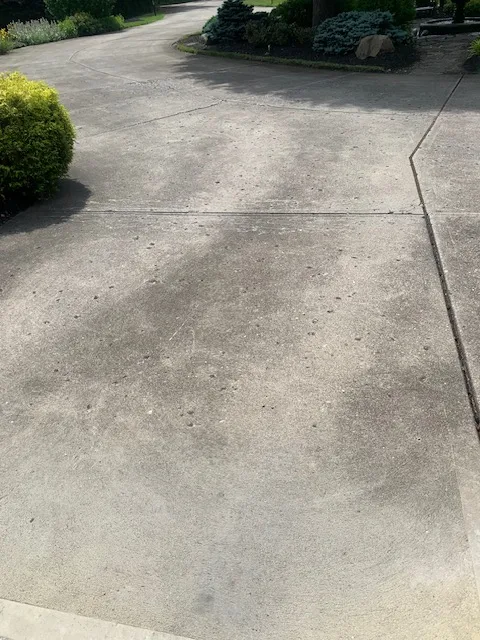
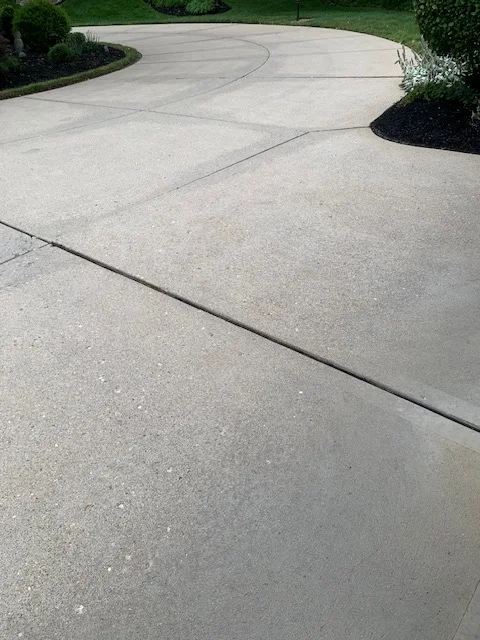
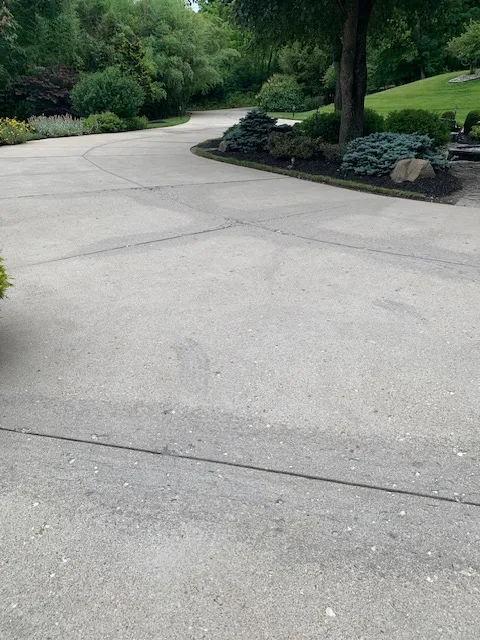
Assess Surface And Joint Depth
We check whether the joints are still full or already washed down, because that determines both the pressure we use and what we recommend afterward.
Montgomery has more brick paver walkway than almost anywhere in the area. Cleaning it well means lifting the green without emptying the joints that hold it together.
Learn More About This ServiceBrick paver walks are part of Montgomery's identity. Miles of them run through the town, and that pattern carries onto private property as paver entries, front walks, side paths, and patios. It is the defining hardscape here, and it is also the surface most commonly damaged by well-intentioned cleaning.
The mistake is treating pavers like concrete. A pressure setting that cleans a driveway blows the joint sand straight out from between the bricks. The walk looks spectacular for a season, then the stones start to rock, edges creep, weeds root in the open joints, and what was a cleaning job becomes a re-laying job. Pavers get cleaned at much lower pressure, deliberately.
Shade drives the growth. Under Montgomery's canopy, paver walks hold an algae film that is slick when wet, and moss establishes in the joints and along shaded edges. On an entry walk or a set of steps, that stops being cosmetic and starts being a genuine hazard, which is the most common reason homeowners here call about it.
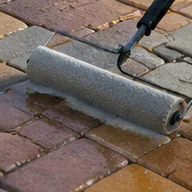
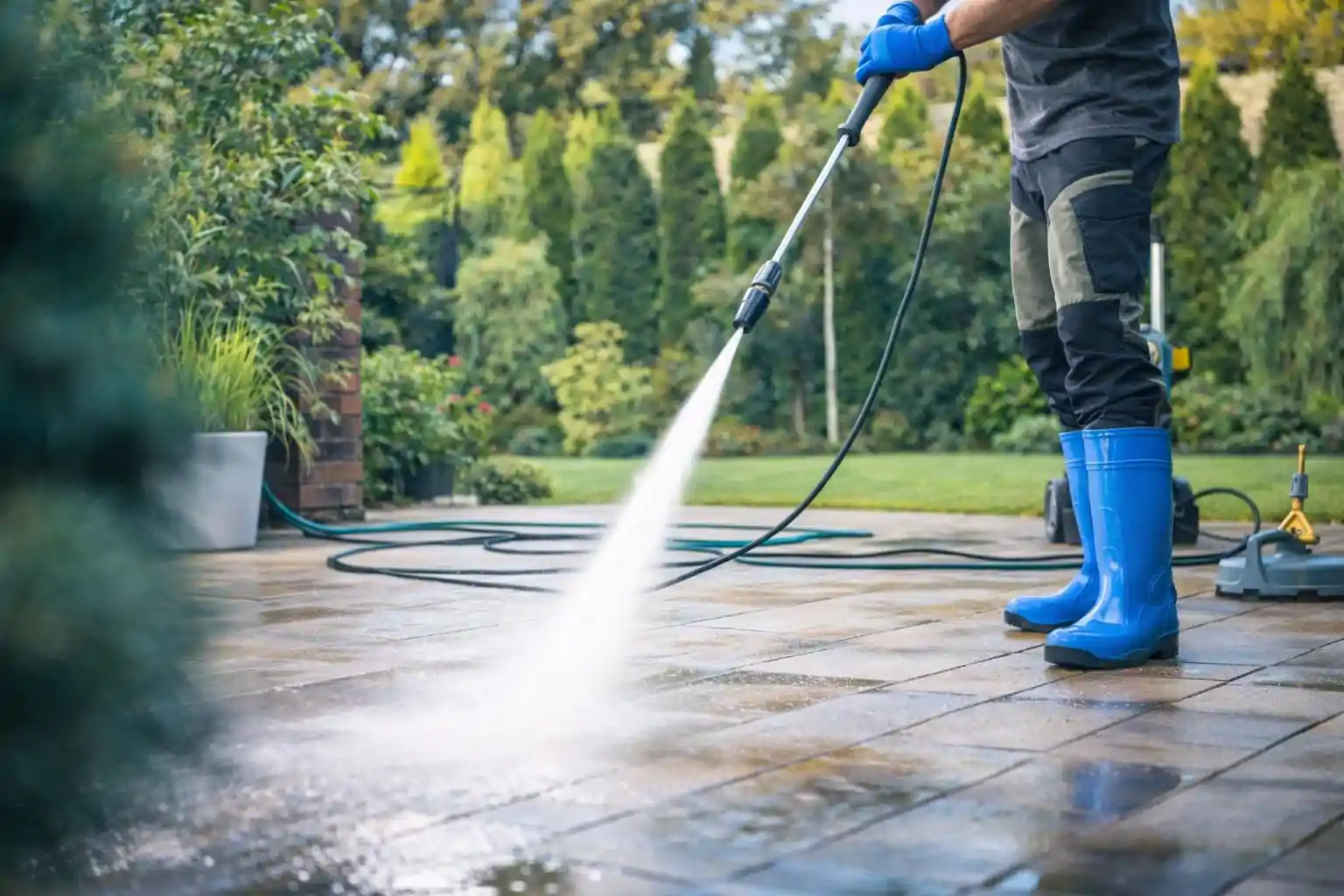
Low-pressure cleaning lifts algae and grime while leaving the joint sand in place, so the walk stays stable after it looks good.
Algae film on a shaded paver entry or set of steps is genuinely slippery when wet, and it builds so gradually most people stop noticing.
Moss establishes in paver joints under heavy shade. Removing it is the first step before any re-sanding or sealing is worth doing.
In a town built around its walkways and Heritage District character, clean paver work changes how the whole front of a property reads.
Step 1
We check whether the joints are still full or already washed down, because that determines both the pressure we use and what we recommend afterward.
Step 2
Furniture and planters come off, weeds are pulled, and algae, moss, and organic staining are pre-treated so they release without force.
Step 3
The surface is cleaned at a pressure that lifts the growth while protecting the joint material between the stones.
Step 4
Edges and steps are detailed, everything is rinsed down, and we tell you honestly whether the joints now need re-sanding.
Will cleaning my brick paver walk wash the sand out of the joints?
Some loss happens on any paver cleaning, but we clean pavers at far lower pressure than concrete specifically to minimize it. If the joints are already low before we start, we will tell you, because at that point re-sanding matters more than the cleaning does.
There is moss growing between my pavers. Does that come out?
Yes. Moss in the joints is treated and removed as part of the cleaning. Once it is gone the joints are usually visibly low, which is the point at which re-sanding and sealing is worth doing.
My paver entry is slippery in the rain. Will cleaning fix that?
It is the fix. The slipperiness is an algae film that forms on shaded pavers, and it clears completely with proper treatment. On entry walks and steps this is the main safety reason to have the work done.
Should I have the pavers sealed afterward?
Often worth it, particularly if the joints need re-sanding anyway. Re-sanding plus a joint-stabilizing sealer keeps the sand in place and slows the growth coming back. See our paver sealing page for how that works.
We also offer patio & walkway cleaning in nearby communities. Choose another area below.

"Jason did great work on our home's driveway and front walkway. I didn't even notice just how dark some spots had gotten, especially our front steps, until he pressure washed them. I was amazed at the before and after! They look so much better now!"
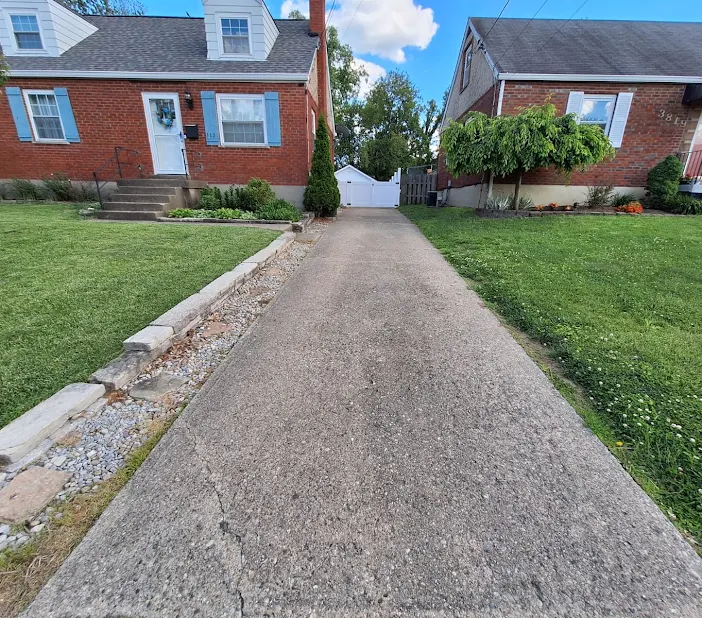
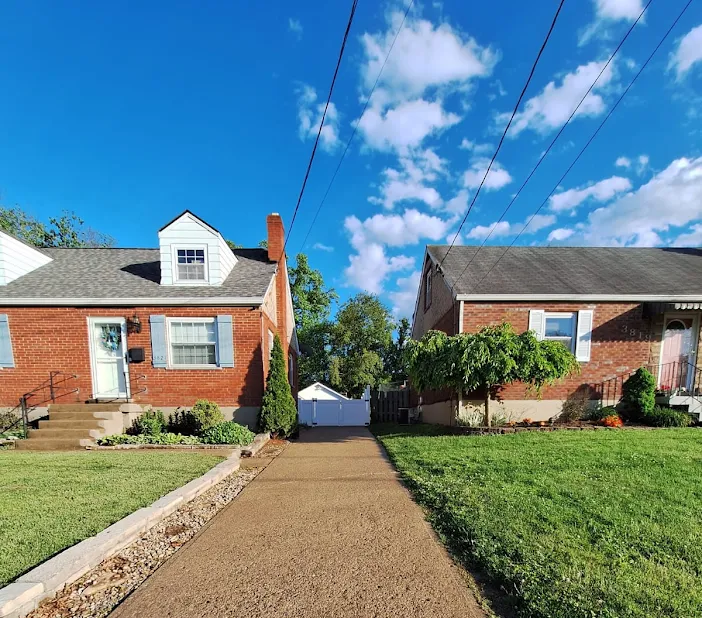

"Jason replied promptly with a competitive estimate immediately after I reached out to him. He was able to fit me in his schedule the next day. He did a great job cleaning the dirt and algae off my brick patio. I will reach out to him with future needs and highly recommend him."
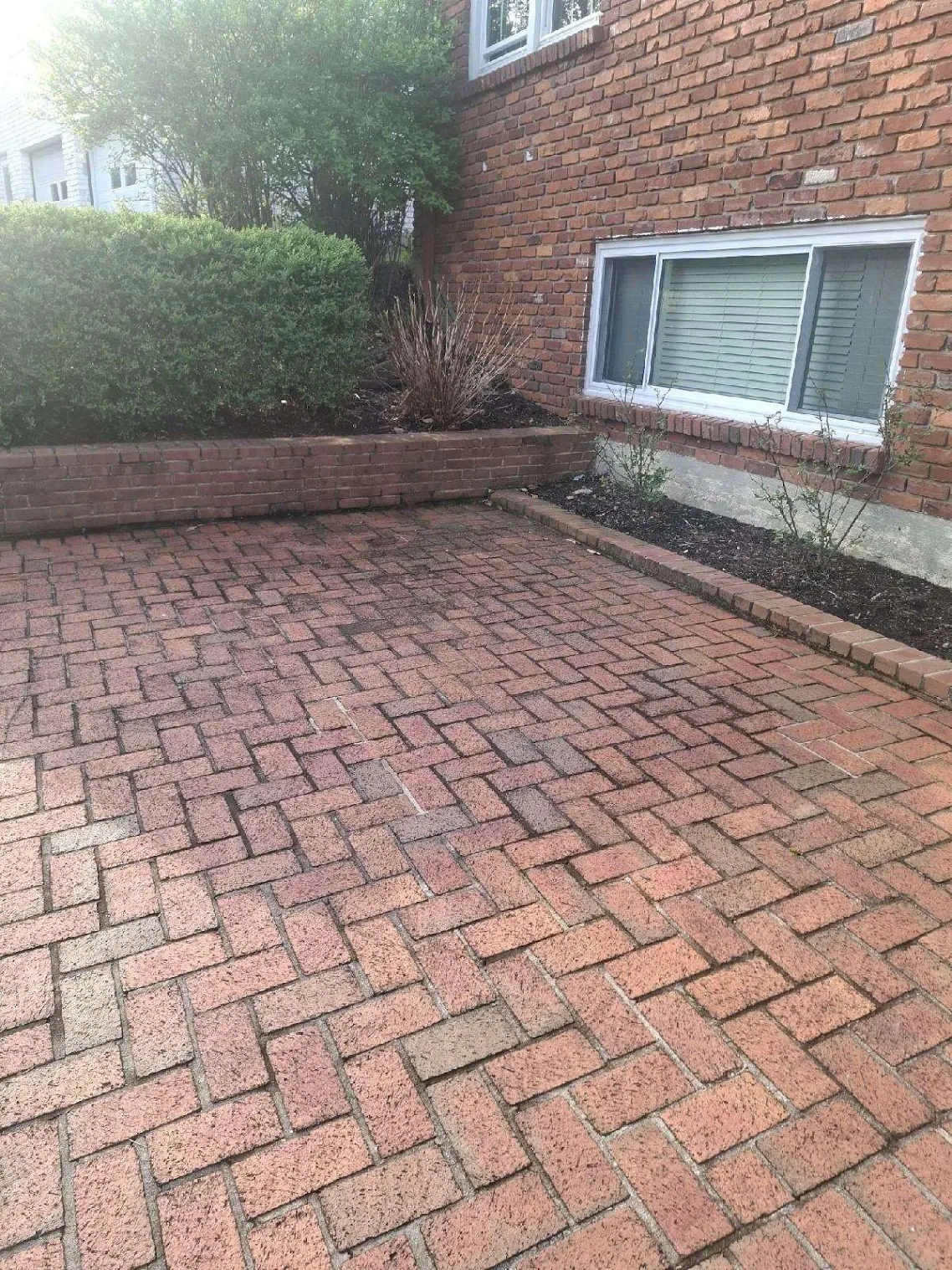
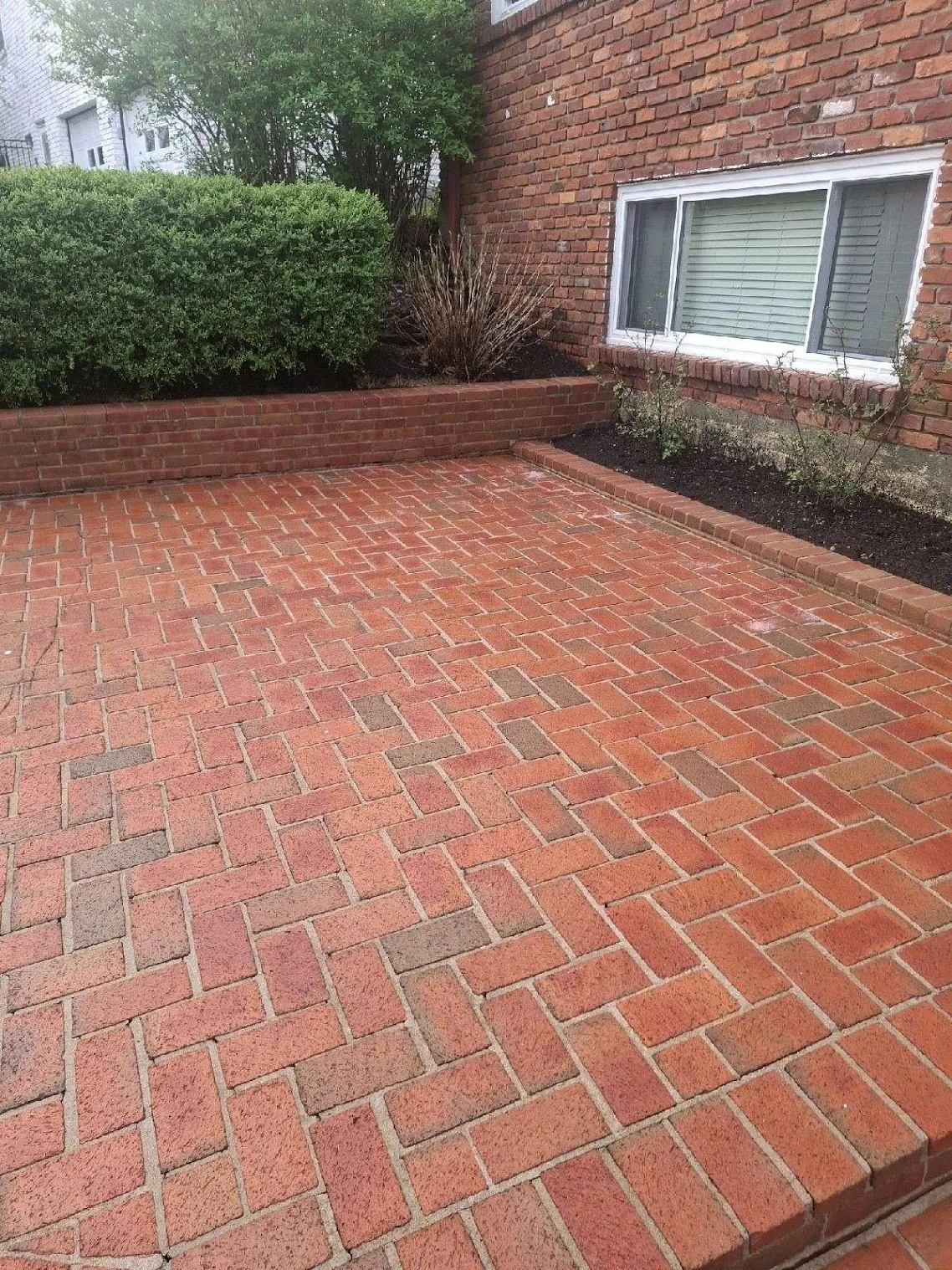

"Jason did a great job with the pressure washing of my house. He first contacted me about a month ago. (I think I had clicked Angi's List or something similar.) But anyway, when he first called me, I told him I work in taxation and would not have time to think about projects until after tax season was over, and to call me after April 17. And... unlike just about every other service provider - who would call me daily... Jason called me on April 18. And we went back and forth for a few days - mostly me asking questions... until we agreed he would pressure wash the house, patio, and driveway. And then he was available within that week! And stayed a bit longer to be sure everything was done right. Plus... he's the OWNER and started the business himself - not just someone who bought a franchise. (which is important to me - I like to support local business, even more so if it's an entrepreneur and not a franchisee.) And every time I pull into my driveway, I smile"

"We had a great experience with Jason at Clear Exterior! Scheduling was easy, and he did a thorough and professional job at an affordable price. He got our siding and our concrete looking fresh again. Highly recommended if you need some pressure washing done!"
We help homeowners across the Cincinnati area keep exterior surfaces clean, safe, and well maintained.
Service Area Map
Based in Cincinnati, we serve homeowners across Cincinnati and nearby communities.
Madeira
Loveland
Mason
West Chester
Liberty Township
Hyde Park
Pleasant Ridge
Sharonville
Milford
Batavia