Step 1
Inspect The Roof And Growth
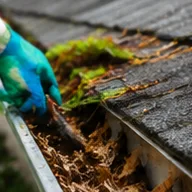
We identify what is actually on the roof, algae streaking, moss, or lichen, and check flashing, valleys, and shingle condition before treating.
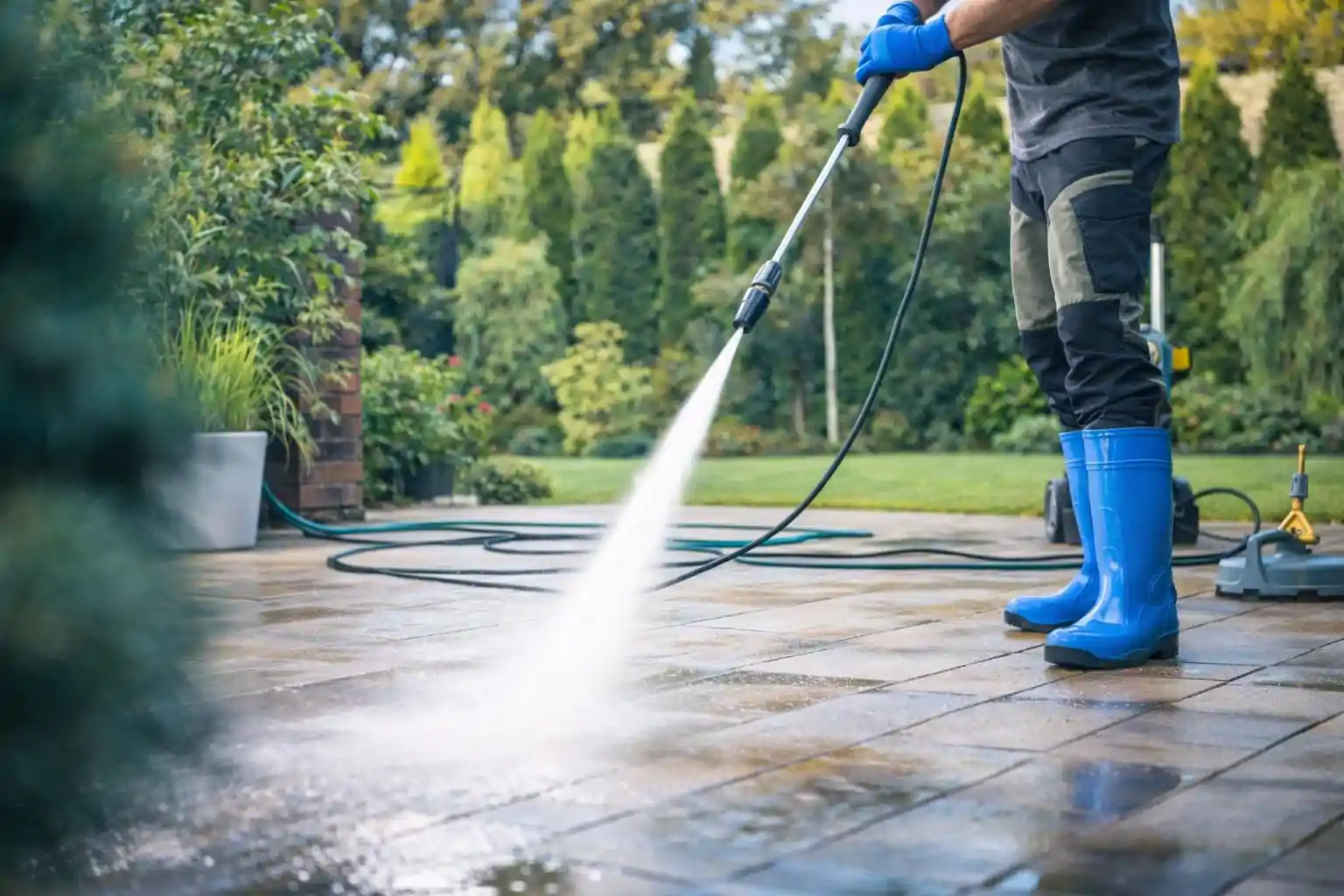
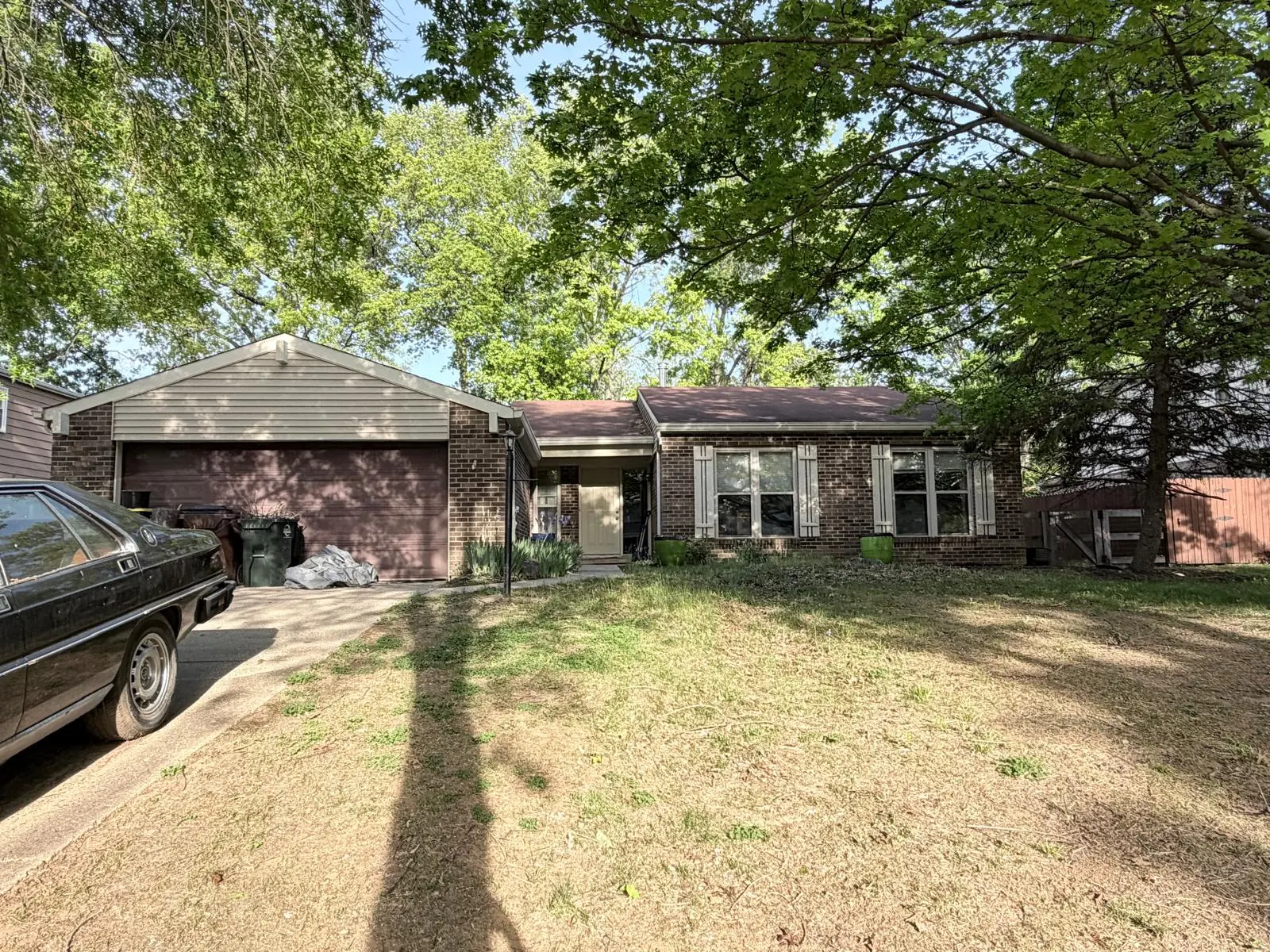
Ranch rooflines sit low and wide, which means the streaking is right at eye level from the street. Soft washing removes it without stripping the granules off your shingles.
Learn More About This ServiceThose black streaks running down a roof are not dirt and they are not stains. They are a hardy algae that feeds on the limestone filler in asphalt shingles. Once it takes hold it spreads across the slope, and under the tree cover common in Blue Ash it is usually joined by moss in the valleys and lichen crusted onto the shingles themselves.
The low, wide rooflines on ranches and split-levels make this more visible than it would be on a taller house. There is no distance and no steep angle hiding the slope, so a streaked roof reads clearly from the sidewalk and tends to make the entire property look neglected even when everything else is maintained.
It is also a roof-life issue. Moss holds moisture directly against the shingle and works into the seams, and lichen bonds to the granule surface. Shingle manufacturers call for low-pressure, solution-based cleaning rather than pressure washing, because pressure strips the protective granules and shortens the life of the roof considerably.
On a low ranch roofline the algae streaking is the most visible thing about the house from the street. Clearing it changes the whole impression.
Moss and lichen under tree cover trap water on the roof surface and work into seams, which is what actually shortens shingle life.
Low-pressure soft washing is the approach shingle manufacturers specify, because pressure washing strips the granules that protect the shingle.
North-facing slopes under mature canopy carry the worst growth. Those are the ones that need the solution to dwell, not the ones to rush.
Step 1
We identify what is actually on the roof, algae streaking, moss, or lichen, and check flashing, valleys, and shingle condition before treating.
Step 2
Plantings around the foundation are pre-wet and protected, and we plan where runoff goes before any solution is applied.
Step 3
A cleaning solution is applied at low pressure and given time to work through the algae, moss, and lichen rather than being blasted off.
Step 4
The roof is rinsed at low pressure, landscaping is rinsed down, and we review the slopes with you, including the shaded ones.
Will roof cleaning damage my shingles?
Not the way we do it. We use a low-pressure soft wash with cleaning solution, which is the method most shingle manufacturers recommend. Pressure washing a roof is what causes damage, because it strips the protective granules.
How long until the streaks come back?
Typically several years, though homes under heavy Blue Ash tree canopy on shaded north slopes will see it return sooner than a roof in full sun. The algae spreads by airborne spores, so nearby untreated roofs matter too.
Do you remove moss as well as black streaking?
Yes. Moss and lichen are common here on shaded slopes and in valleys where debris collects. They are treated as part of the same process, though heavy moss can take longer to release fully.
Should I clean the roof or the gutters first?
Roof first, then gutters, because roof cleaning brings debris and treated growth down into the gutters. Doing both in one visit is common and saves handling the same debris twice.
We also offer roof cleaning in nearby communities. Choose another area below.

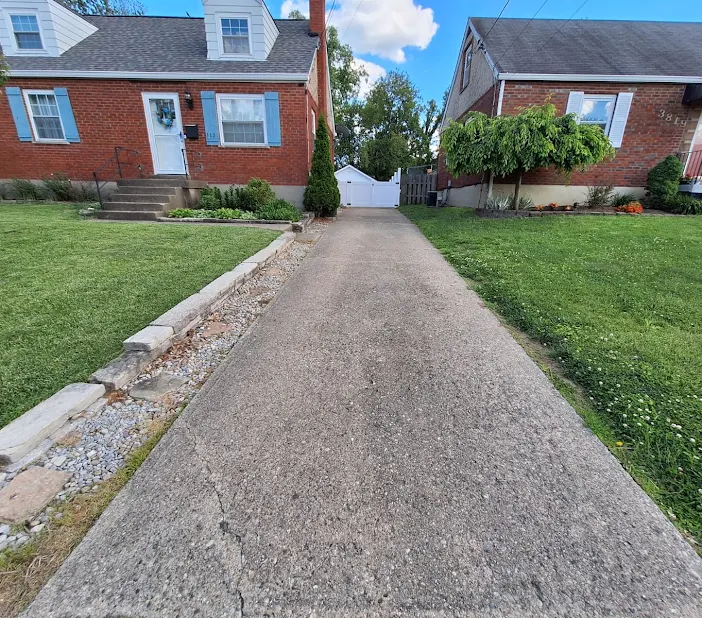
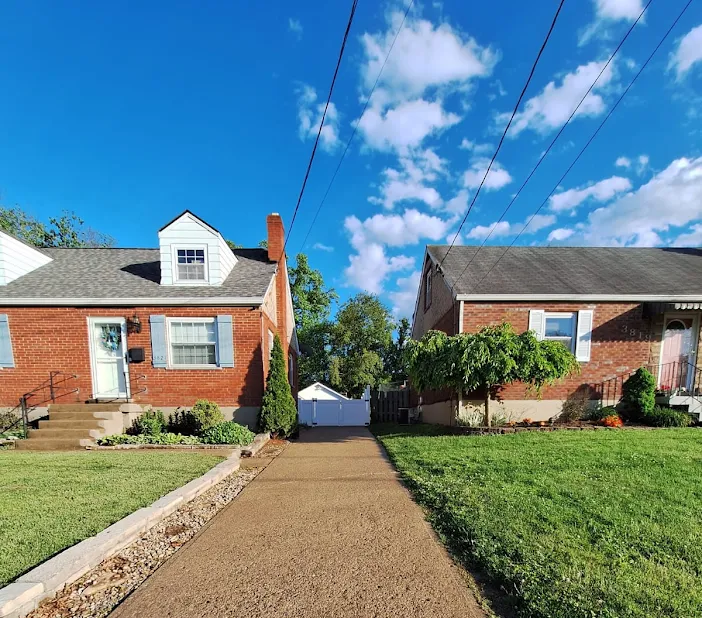
"Jason did great work on our home's driveway and front walkway. I didn't even notice just how dark some spots had gotten, especially our front steps, until he pressure washed them. I was amazed at the before and after! They look so much better now!"

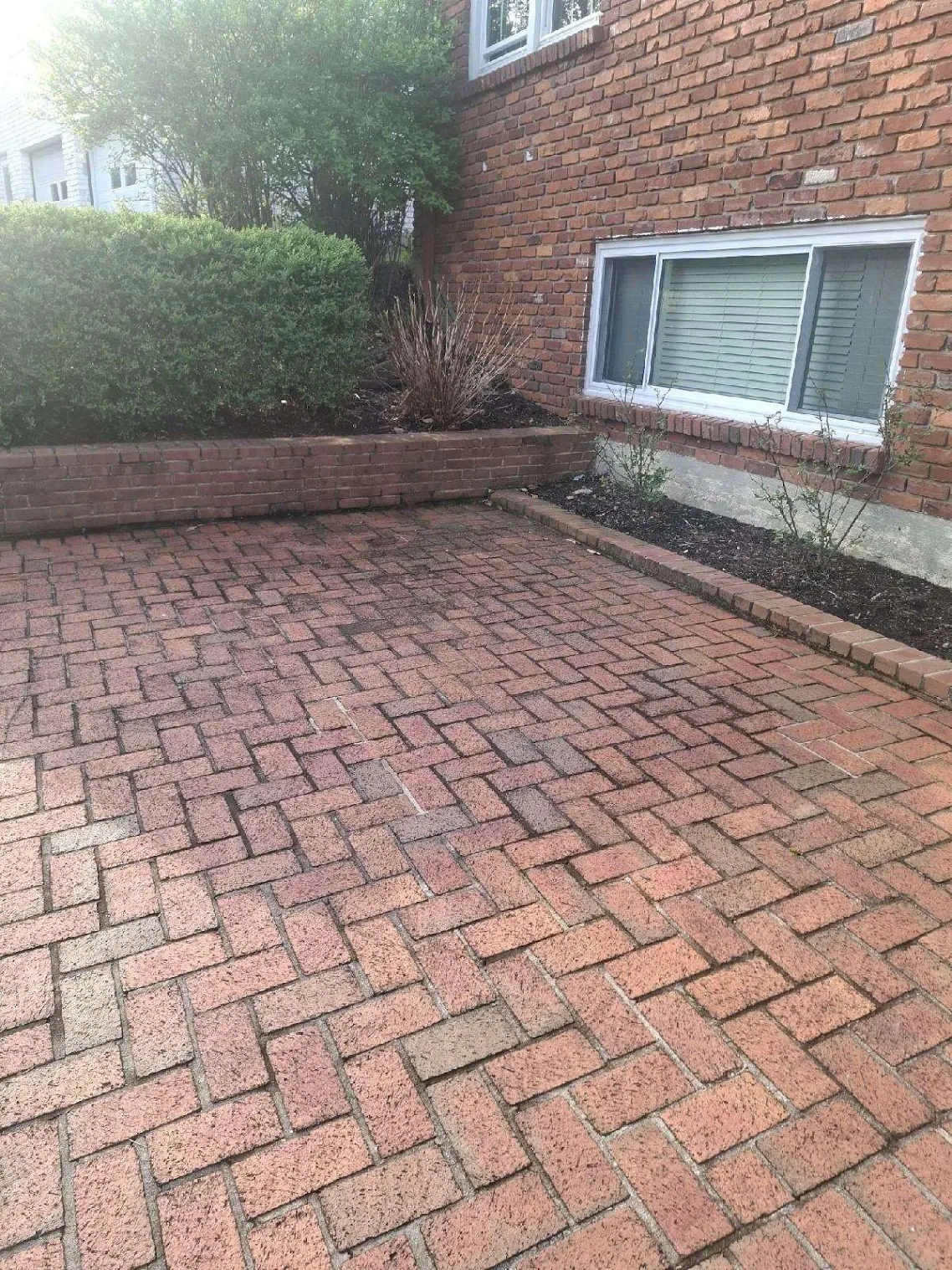
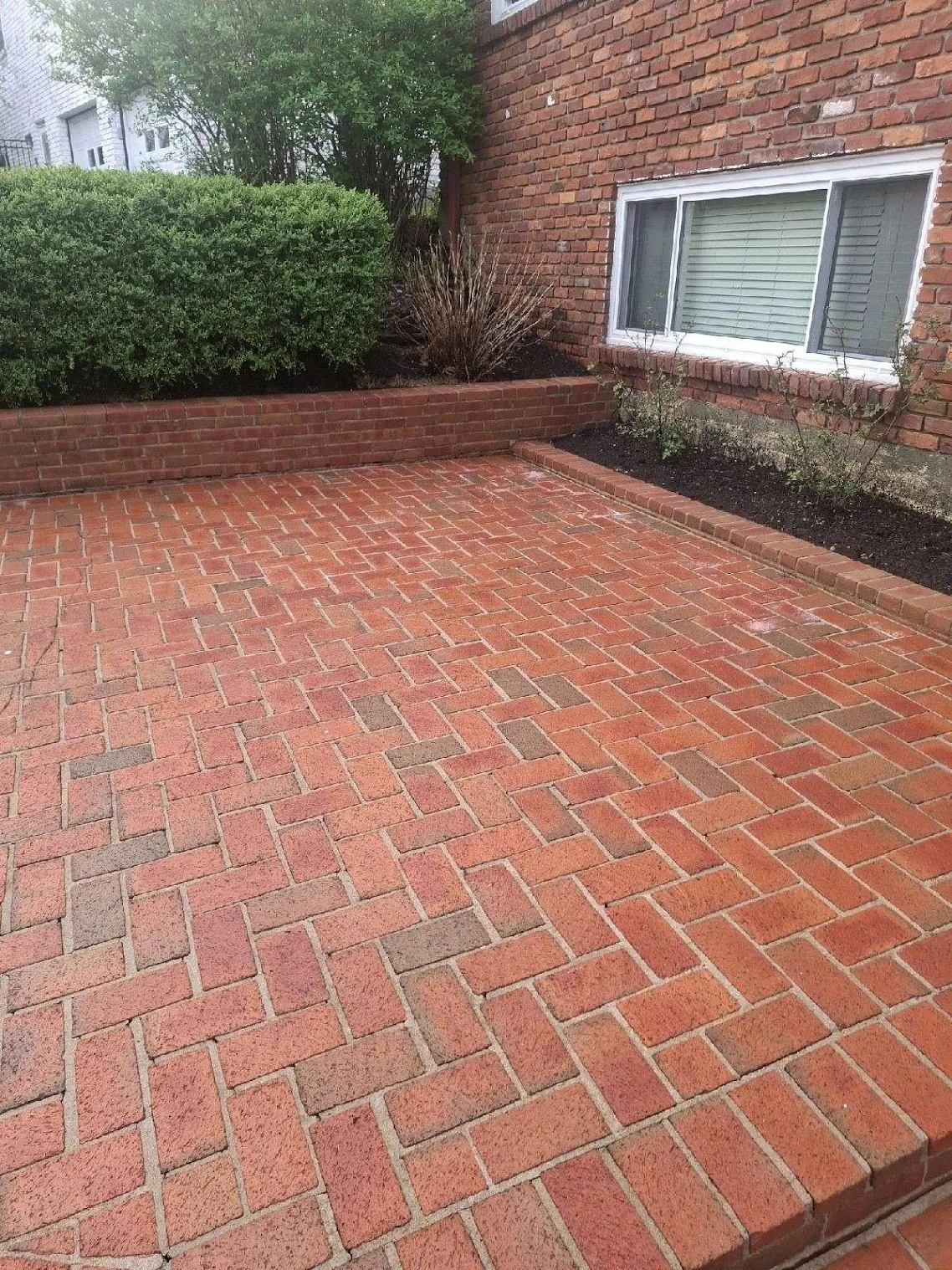
"Jason replied promptly with a competitive estimate immediately after I reached out to him. He was able to fit me in his schedule the next day. He did a great job cleaning the dirt and algae off my brick patio. I will reach out to him with future needs and highly recommend him."

"Jason did a great job with the pressure washing of my house. He first contacted me about a month ago. (I think I had clicked Angi's List or something similar.) But anyway, when he first called me, I told him I work in taxation and would not have time to think about projects until after tax season was over, and to call me after April 17. And... unlike just about every other service provider - who would call me daily... Jason called me on April 18. And we went back and forth for a few days - mostly me asking questions... until we agreed he would pressure wash the house, patio, and driveway. And then he was available within that week! And stayed a bit longer to be sure everything was done right. Plus... he's the OWNER and started the business himself - not just someone who bought a franchise. (which is important to me - I like to support local business, even more so if it's an entrepreneur and not a franchisee.) And every time I pull into my driveway, I smile"

"We had a great experience with Jason at Clear Exterior! Scheduling was easy, and he did a thorough and professional job at an affordable price. He got our siding and our concrete looking fresh again. Highly recommended if you need some pressure washing done!"
We help homeowners across the Cincinnati area keep exterior surfaces clean, safe, and well maintained.
Service Area Map
Based in Cincinnati, we serve homeowners across Cincinnati and nearby communities.
Madeira
Loveland
Mason
West Chester
Liberty Township
Hyde Park
Pleasant Ridge
Sharonville
Milford
Batavia