Step 1
Survey The Full Roof
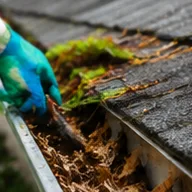
We assess every plane, valley, and dormer, identify whether we are dealing with algae, moss, lichen, or all three, and check flashing and shingle condition.
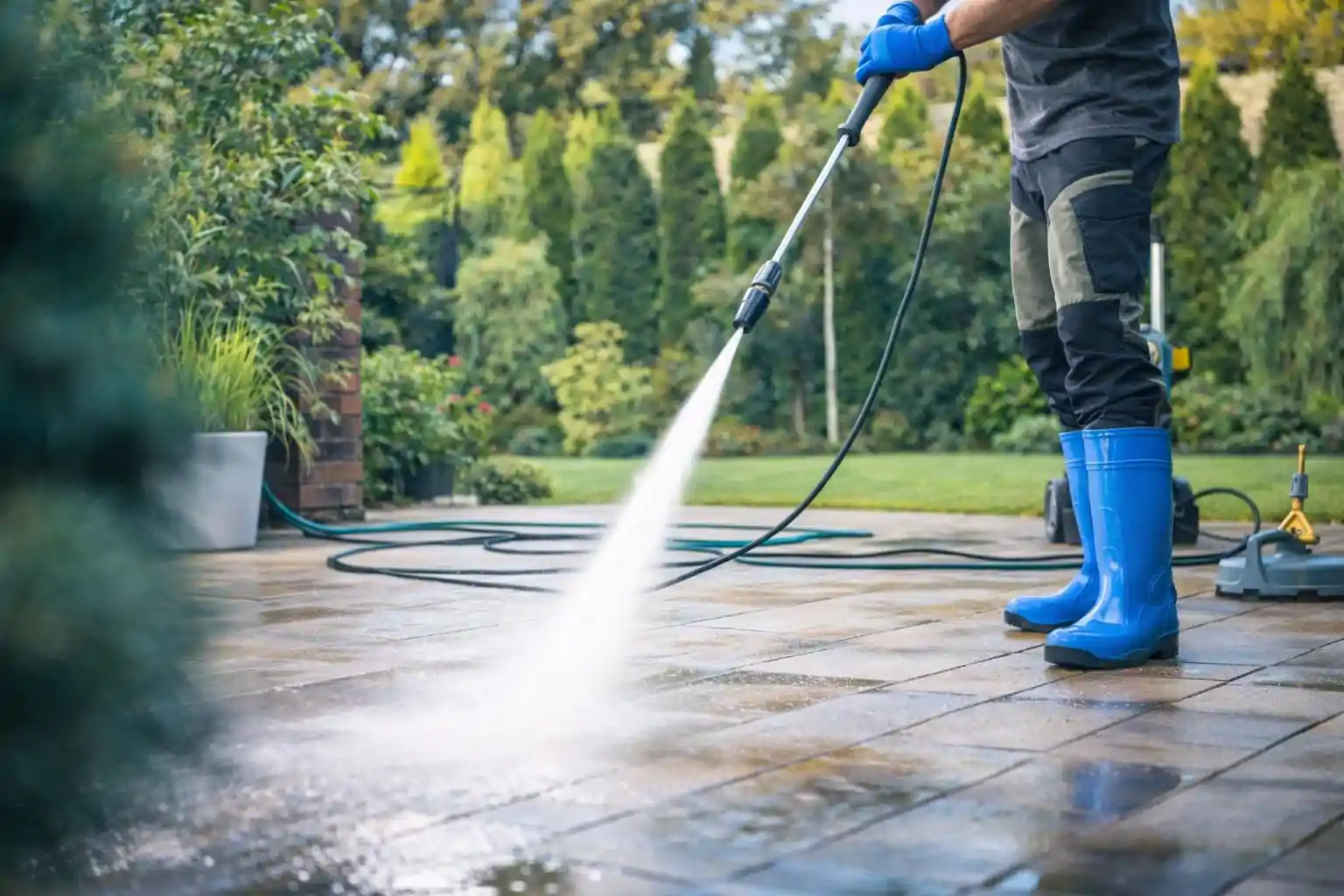
Heavy tree cover and a lot of roof surface is the worst combination for shingles. Soft washing clears the moss and streaking without stripping granules.
Learn More About This ServiceIndian Hill properties combine two things that are hard on a roof: substantial roof area with multiple planes and valleys, and mature woodland sitting directly over much of it. The result is rarely simple algae streaking. It is usually streaking on the exposed slopes, packed moss in the valleys where leaf debris collects, and lichen bonded to the shingles on the faces that never see sun.
Moss is the part that shortens roof life. It holds water against the shingle surface and works into the seams and under the courses, so areas of the roof stay permanently damp instead of shedding water as designed. On a large roof with complex geometry, there are simply more valleys and transitions where that can take hold.
The correct method is low pressure. Shingle manufacturers specify solution-based cleaning rather than pressure washing, because pressure strips the granules that protect the shingle and can take years off the roof. We apply treatment, allow it to work through the growth, and rinse gently.
More planes, valleys, and dormers mean more places growth establishes. The whole roof needs treating, not just the visible front slope.
Under woodland cover the valleys pack with debris and hold moss, which keeps water sitting on the roof where it should be running off.
Moss and lichen trapping moisture against shingles is what actually shortens roof life, and the repair bill dwarfs the cleaning.
Low-pressure soft washing is what shingle makers call for. Pressure washing strips protective granules and can affect warranty coverage.
Step 1
We assess every plane, valley, and dormer, identify whether we are dealing with algae, moss, lichen, or all three, and check flashing and shingle condition.
Step 2
Established plantings and beds are pre-wet and protected, and we plan where runoff goes before applying anything on a property this size.
Step 3
Cleaning solution is applied at low pressure and given time to work through the growth rather than being forced off the shingle.
Step 4
The roof is rinsed at low pressure, landscaping rinsed down, and we review the shaded slopes and valleys with you.
My roof has moss packed in the valleys. Can that be cleared?
Yes, though heavy moss releases more slowly than algae streaking and often continues shedding for a while afterward as it dies back. We will not scrape or pressure it off, because that damages the shingle underneath.
Does the whole roof need doing or just the bad slopes?
The whole roof is the sensible approach. Algae spreads by airborne spores, so treating one slope and leaving another seeded means the cleaned section re-colonizes quickly.
Will overhanging trees make it come back faster?
Yes, noticeably. Limbs that keep a slope shaded and drop debris into the valleys are the main driver of regrowth. Trimming them back is the single best thing you can do to extend the result.
Should the gutters be done at the same time?
Usually, and in that order. Roof cleaning brings debris and treated growth down into the gutters, so doing gutters first means handling the same material twice.
We also offer roof cleaning in nearby communities. Choose another area below.

"I am happy to recommend Clear Exterior. Jason was prompt in communication, reasonable in price and the before and after pictures tell the story. While I hope not to have as much dirt and moss on my walkway and roof, I will be calling Jason."

"Jason did a great job. He and his wife work well together. During the walk around, he offered to redo a few areas where the dirt was not removed completely to ensure that I was satisfied. Good luck, Jason and Clear Exterior! Wishing you a successful future!"

"Jason did great work on our home's driveway and front walkway. I didn't even notice just how dark some spots had gotten, especially our front steps, until he pressure washed them. I was amazed at the before and after! They look so much better now!"
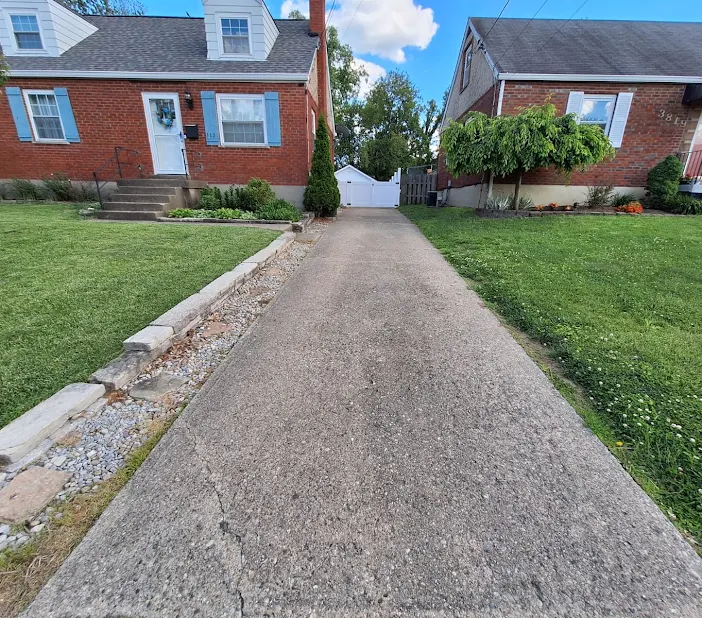
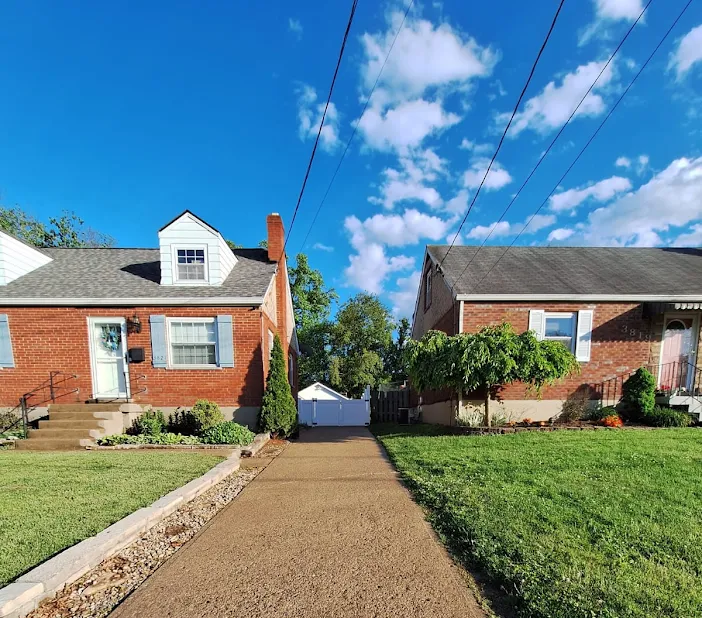

"Jason replied promptly with a competitive estimate immediately after I reached out to him. He was able to fit me in his schedule the next day. He did a great job cleaning the dirt and algae off my brick patio. I will reach out to him with future needs and highly recommend him."
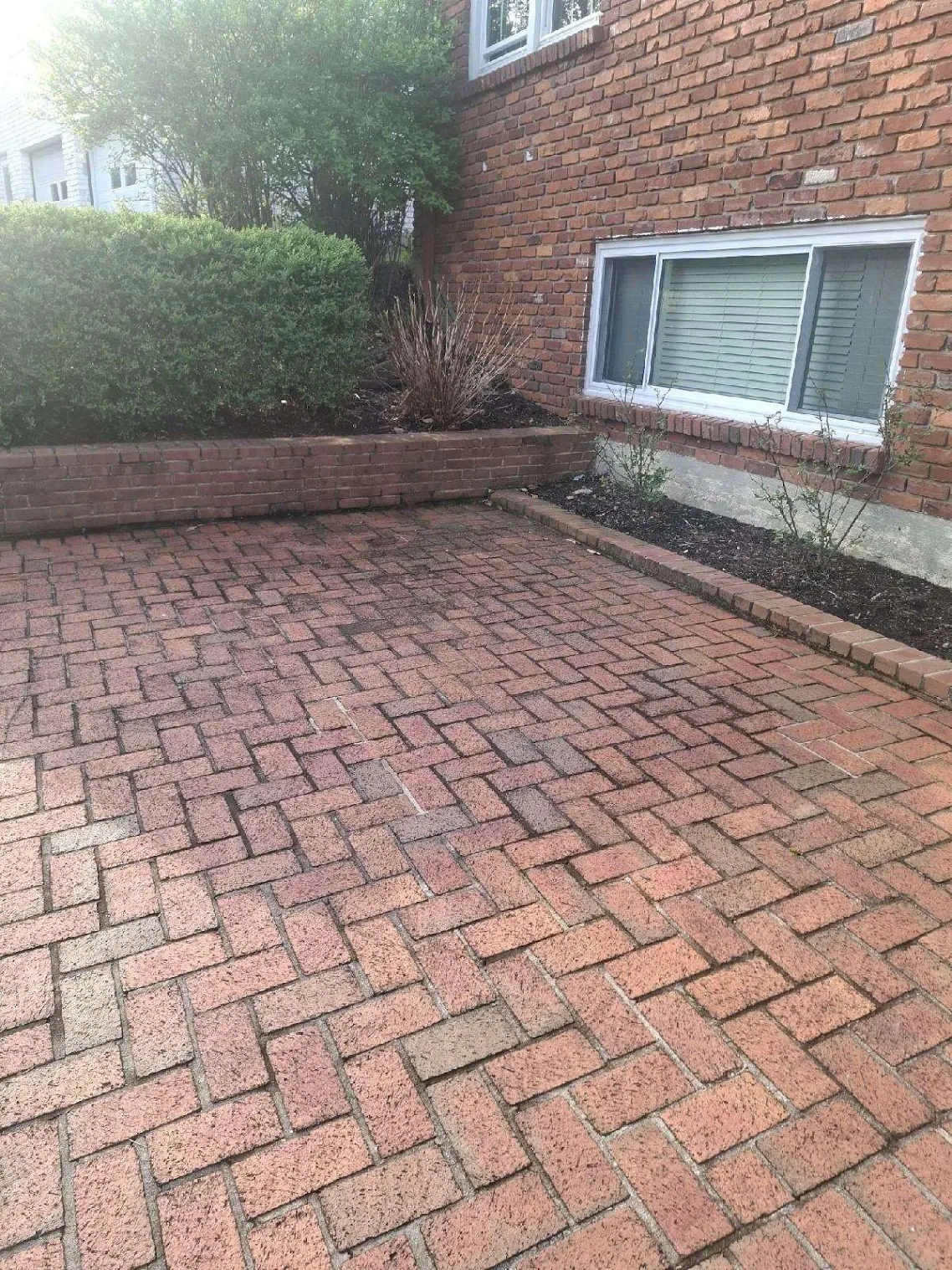
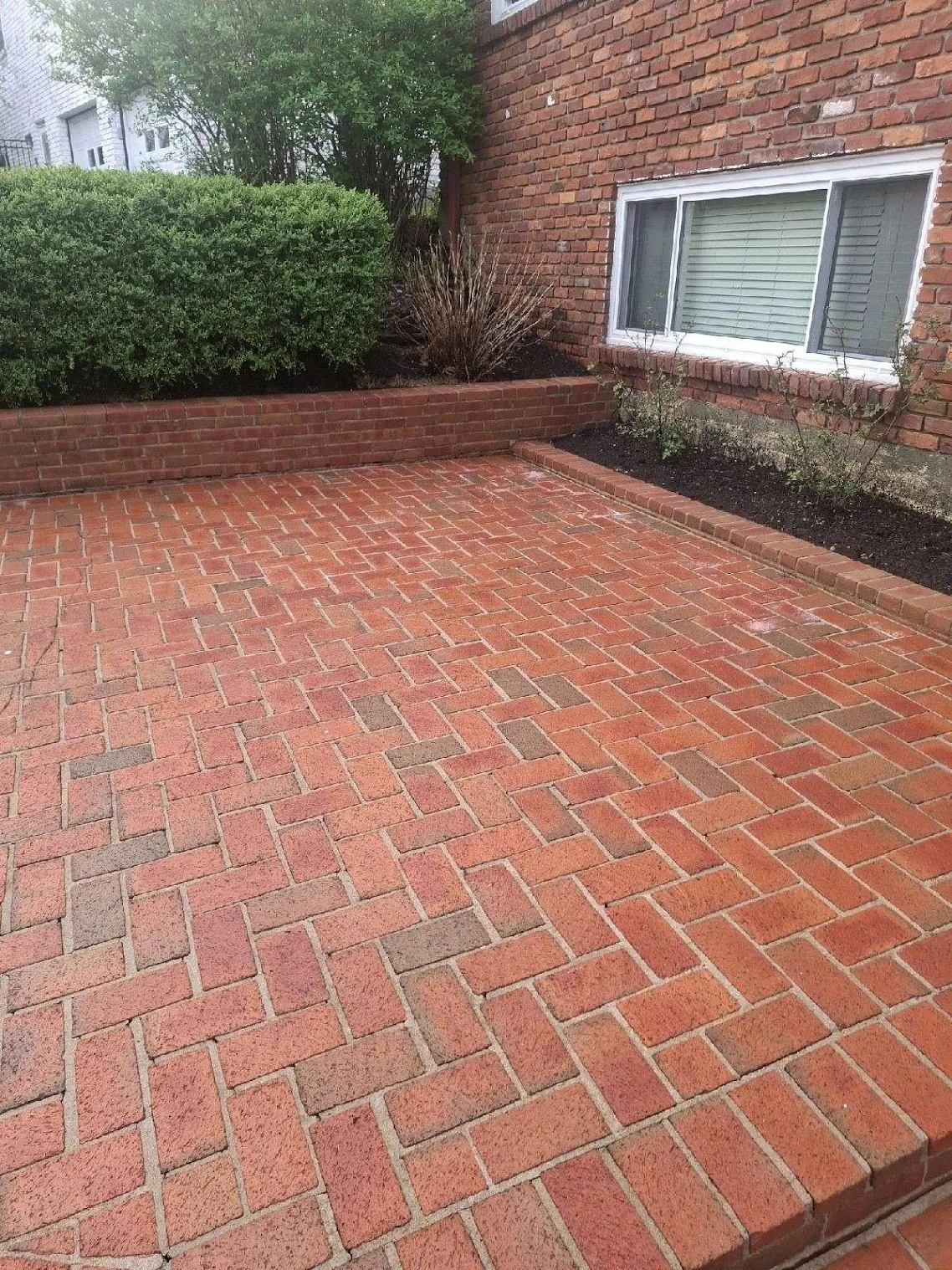

"Jason did a great job with the pressure washing of my house. He first contacted me about a month ago. (I think I had clicked Angi's List or something similar.) But anyway, when he first called me, I told him I work in taxation and would not have time to think about projects until after tax season was over, and to call me after April 17. And... unlike just about every other service provider - who would call me daily... Jason called me on April 18. And we went back and forth for a few days - mostly me asking questions... until we agreed he would pressure wash the house, patio, and driveway. And then he was available within that week! And stayed a bit longer to be sure everything was done right. Plus... he's the OWNER and started the business himself - not just someone who bought a franchise. (which is important to me - I like to support local business, even more so if it's an entrepreneur and not a franchisee.) And every time I pull into my driveway, I smile"

"We had a great experience with Jason at Clear Exterior! Scheduling was easy, and he did a thorough and professional job at an affordable price. He got our siding and our concrete looking fresh again. Highly recommended if you need some pressure washing done!"
We help homeowners across the Cincinnati area keep exterior surfaces clean, safe, and well maintained.
Service Area Map
Based in Cincinnati, we serve homeowners across Cincinnati and nearby communities.
West Chester
Liberty Township
Hyde Park
Pleasant Ridge
Sharonville
Milford
Batavia