Step 1
Assess The Slab Honestly
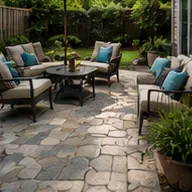
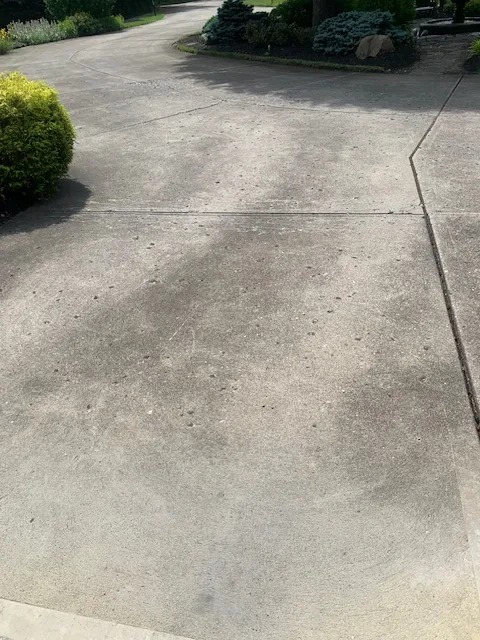
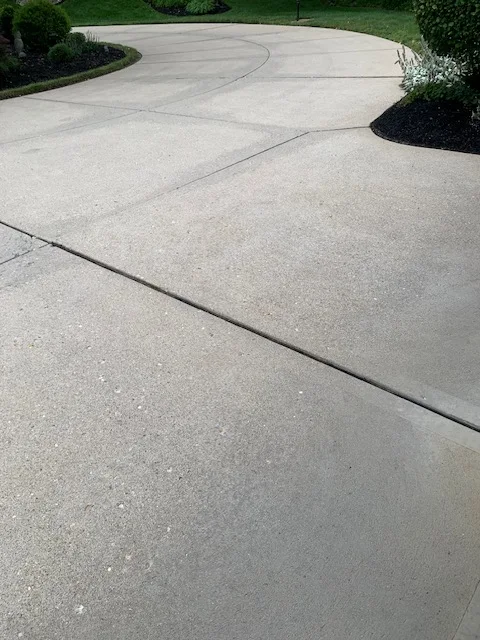
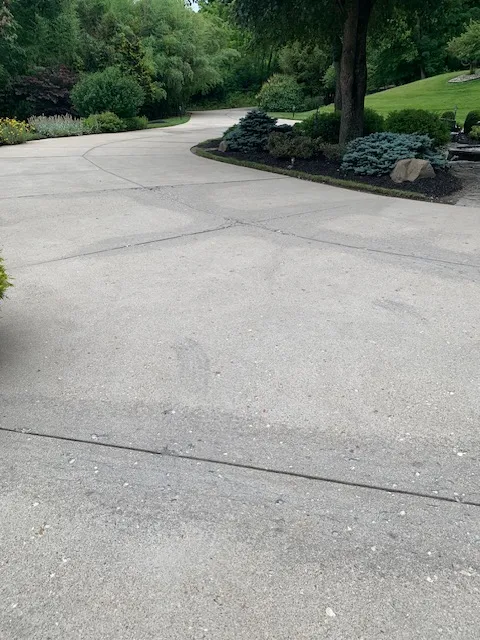
We check for existing scaling, cracking, and previous sealer, and tell you whether the concrete is worth sealing as it stands.
Freeze-thaw damage needs water inside the concrete to do its work. In the valley the concrete is rarely dry, which is exactly why sealing pays here.
Learn More About This ServiceSealing matters more in a damp environment than a dry one, and the reason is mechanical. Unsealed concrete is porous, so it takes on water. When that water freezes it expands and pushes the surface apart from the inside, and each cycle does a little more until the surface pits and eventually flakes. How much damage each freeze does depends on how much water is in the slab when the temperature drops, and in the river valley the answer is usually more than elsewhere.
Shaded slabs are the worst case. A drive or walk under tree cover on a valley lot may not properly dry out for weeks at a stretch through the cold months, which means it enters every freeze fully loaded. That is why concrete here can show surface scaling noticeably earlier than concrete on an open sunny lot of the same age and the same original quality. It is not a defect in the pour, it is the environment doing what it does.
Organic staining is the other reason, and the one people actually look at. Wooded lots drop leaf litter that sits wet on the slab, and tannin leaches out and drives a dark stain into open pores. On sealed concrete that material stays on the surface and washes off with ordinary cleaning. On unsealed concrete it soaks in, and once in, cleaning lifts some but never all of it. Sealing after a proper clean is what preserves the condition you just paid to restore.
Sealed concrete sheds tree tannin and organic debris rather than absorbing it, so the result lasts instead of fading back in a season.
Freeze-thaw damage depends on how much water is in the concrete. In a damp valley, keeping it out is the whole game.
A sealed surface gives algae less to grip and less moisture to hold, so the green film returns more slowly on shaded slabs.
Sealed concrete releases organic buildup readily, so future cleaning needs less pressure and is kinder to the surface.
Step 1
We check for existing scaling, cracking, and previous sealer, and tell you whether the concrete is worth sealing as it stands.
Step 2
The surface is cleaned and organic staining and algae pre-treated, because sealing over growth locks it in permanently.
Step 3
Concrete must be genuinely dry before sealer goes on, and in the valley that takes longer. Sealing early causes clouding and adhesion failure.
Step 4
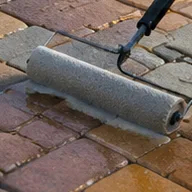
Sealer is applied evenly and coverage is checked so there are no thin areas or overlap marks left behind.
How long does concrete need to dry before sealing here?
Longer than the label assumes, particularly on a shaded valley slab. We check the concrete rather than counting days. Sealing damp concrete traps moisture underneath and gives a cloudy, poorly bonded finish that then has to be stripped.
My driveway is already pitting. Is sealing still worth it?
On light surface pitting, yes, because it slows what is happening. On concrete actively flaking apart, sealing just postpones a conversation about repair. We will tell you which one you have rather than taking the easy sale.
How much does concrete sealing cost in Loveland?
It follows the area and is normally quoted with the cleaning, since the two go together. Estimates are free, and if your slab is not a good candidate we will say so at no cost to you.
Will sealing stop the green coming back?
It slows it considerably rather than stopping it. Algae grows on moisture and the valley keeps supplying that, but a sealed surface gives it much less to hold onto and makes the next cleaning far easier.
How often should it be redone?
Typically every few years, and on the shaded wet slabs common here it is worth checking at the earlier end of that range. Water beading on the surface is the simple test that it is still working.
We also offer concrete sealing in nearby communities. Choose another area below.

"I am happy to recommend Clear Exterior. Jason was prompt in communication, reasonable in price and the before and after pictures tell the story. While I hope not to have as much dirt and moss on my walkway and roof, I will be calling Jason."

"Jason did a great job. He and his wife work well together. During the walk around, he offered to redo a few areas where the dirt was not removed completely to ensure that I was satisfied. Good luck, Jason and Clear Exterior! Wishing you a successful future!"

"Jason did great work on our home's driveway and front walkway. I didn't even notice just how dark some spots had gotten, especially our front steps, until he pressure washed them. I was amazed at the before and after! They look so much better now!"
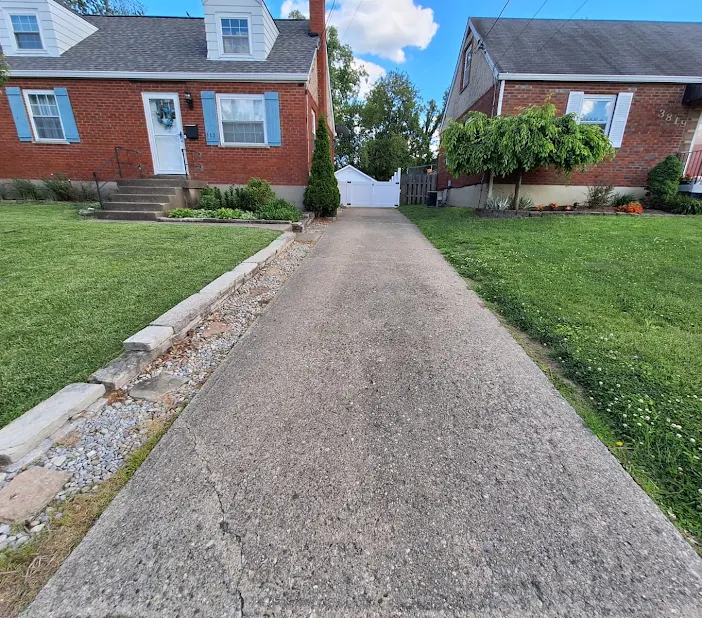
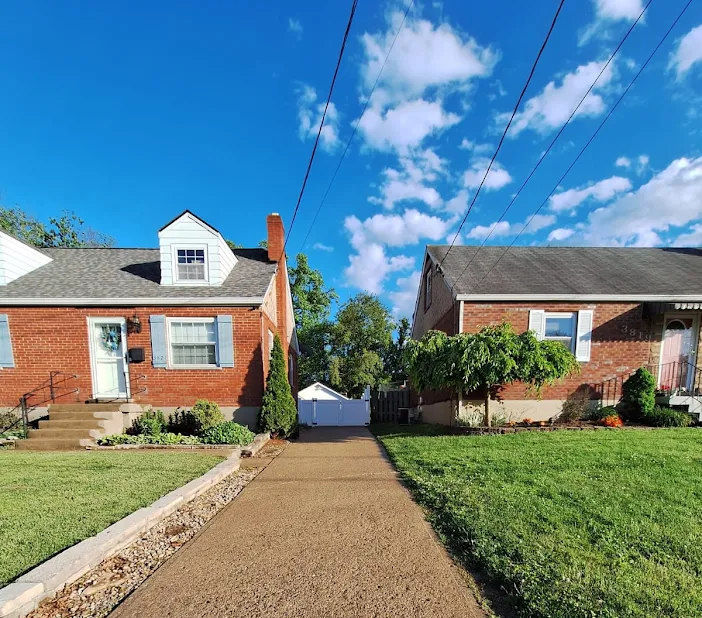

"Jason replied promptly with a competitive estimate immediately after I reached out to him. He was able to fit me in his schedule the next day. He did a great job cleaning the dirt and algae off my brick patio. I will reach out to him with future needs and highly recommend him."
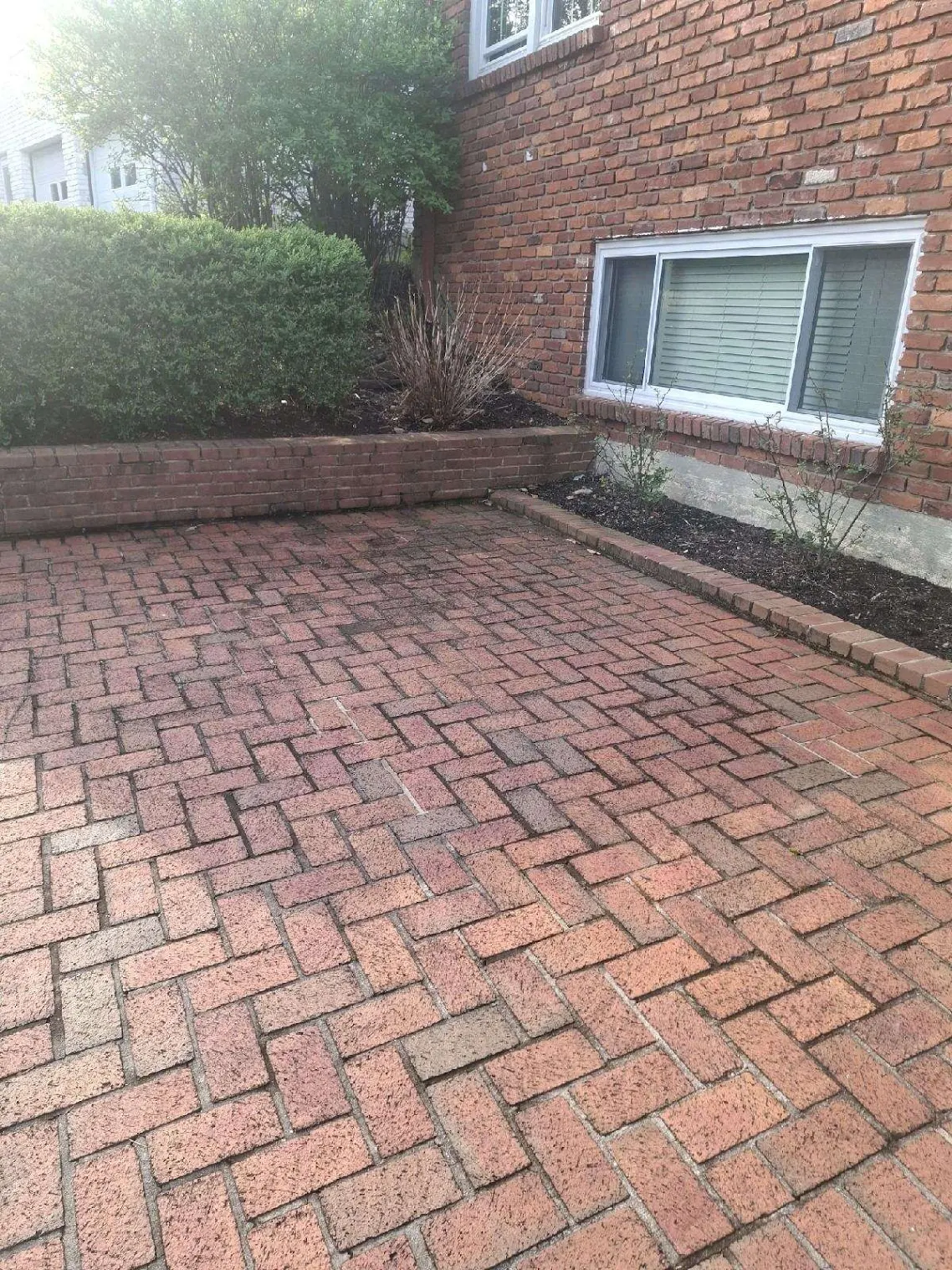
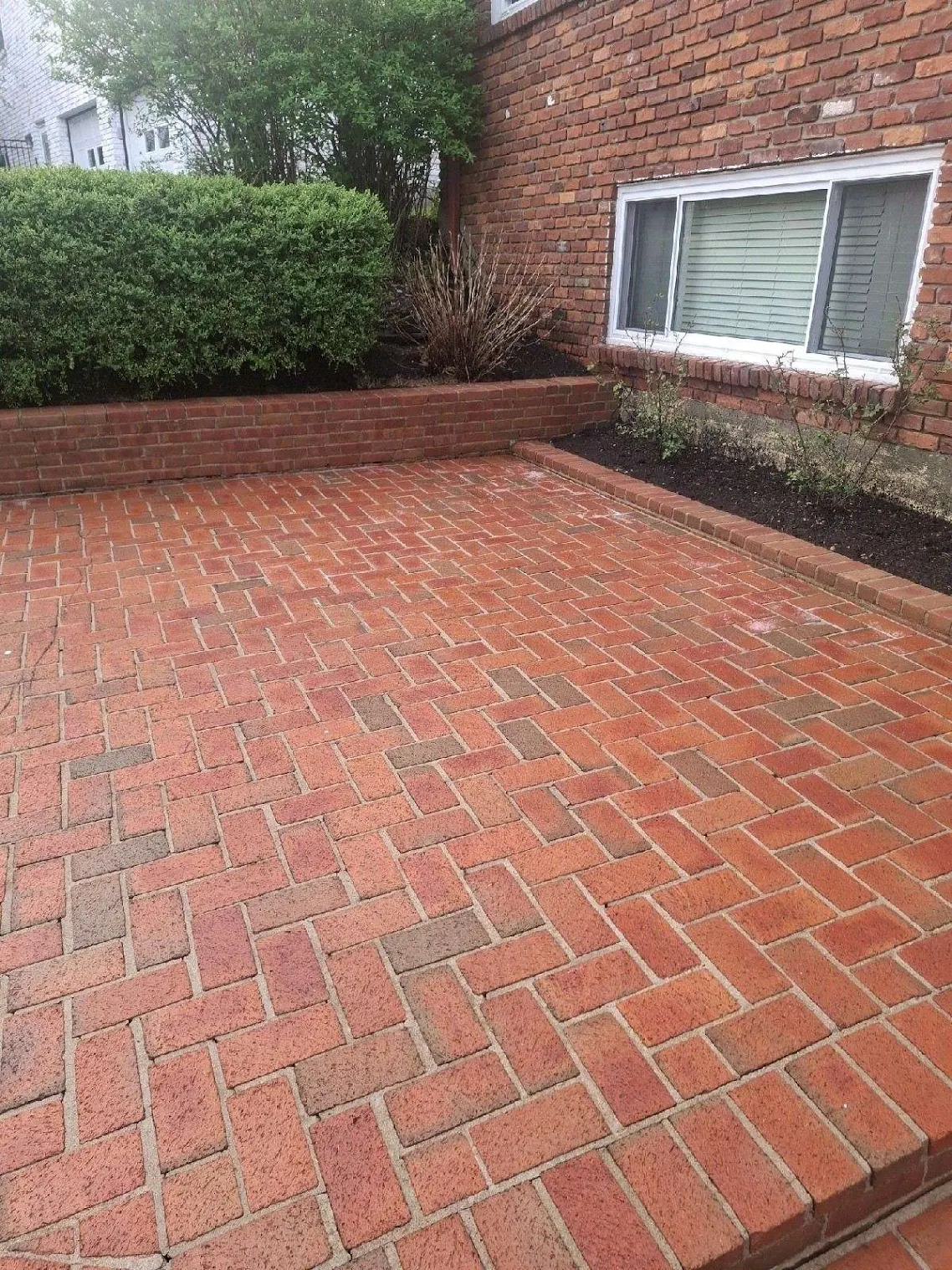

"Jason did a great job with the pressure washing of my house. He first contacted me about a month ago. (I think I had clicked Angi's List or something similar.) But anyway, when he first called me, I told him I work in taxation and would not have time to think about projects until after tax season was over, and to call me after April 17. And... unlike just about every other service provider - who would call me daily... Jason called me on April 18. And we went back and forth for a few days - mostly me asking questions... until we agreed he would pressure wash the house, patio, and driveway. And then he was available within that week! And stayed a bit longer to be sure everything was done right. Plus... he's the OWNER and started the business himself - not just someone who bought a franchise. (which is important to me - I like to support local business, even more so if it's an entrepreneur and not a franchisee.) And every time I pull into my driveway, I smile"

"We had a great experience with Jason at Clear Exterior! Scheduling was easy, and he did a thorough and professional job at an affordable price. He got our siding and our concrete looking fresh again. Highly recommended if you need some pressure washing done!"
We help homeowners across the Cincinnati area keep exterior surfaces clean, safe, and well maintained.
Service Area Map
Based in Cincinnati, we serve homeowners across Cincinnati and nearby communities.
West Chester
Liberty Township
Hyde Park
Pleasant Ridge
Sharonville
Milford
Batavia